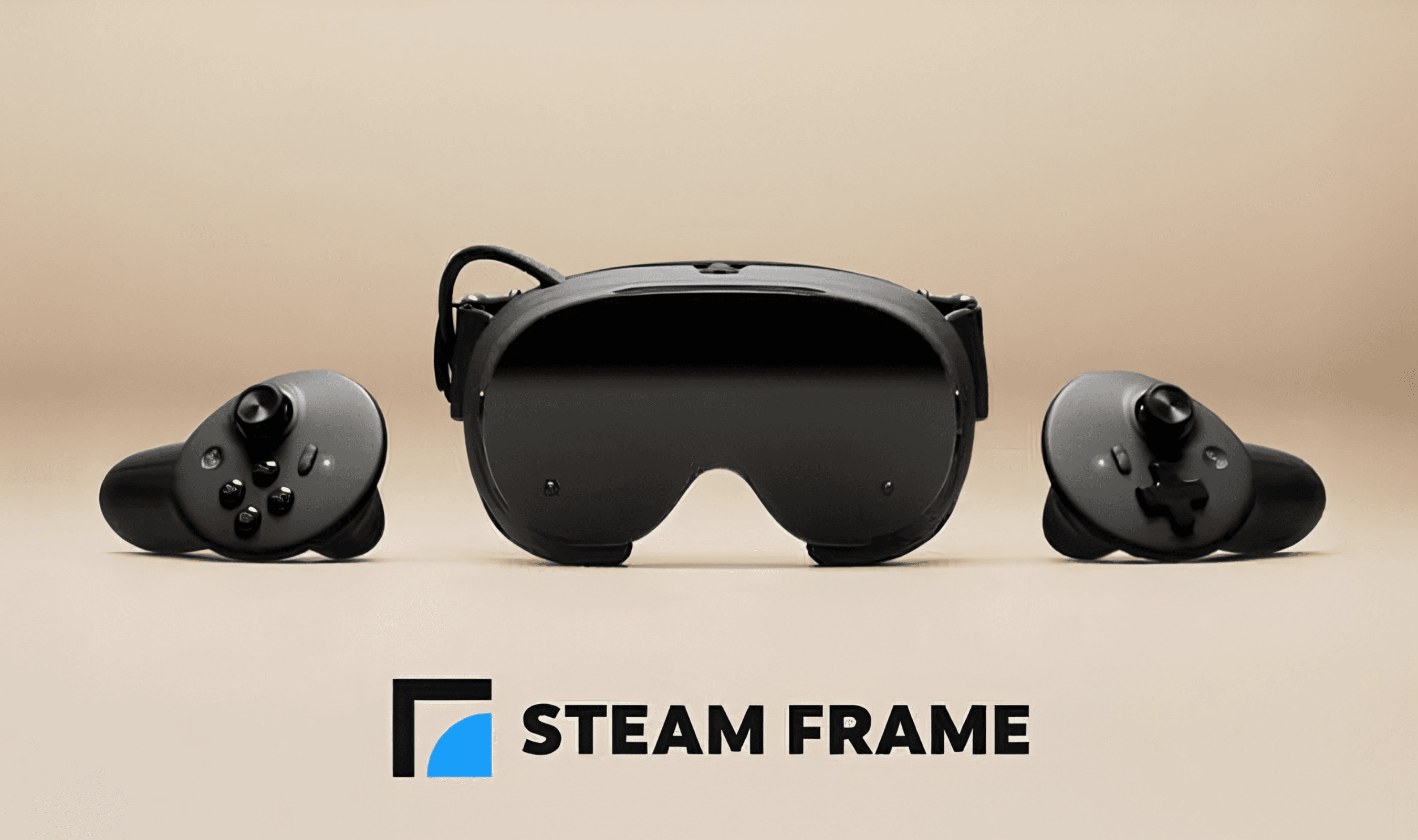

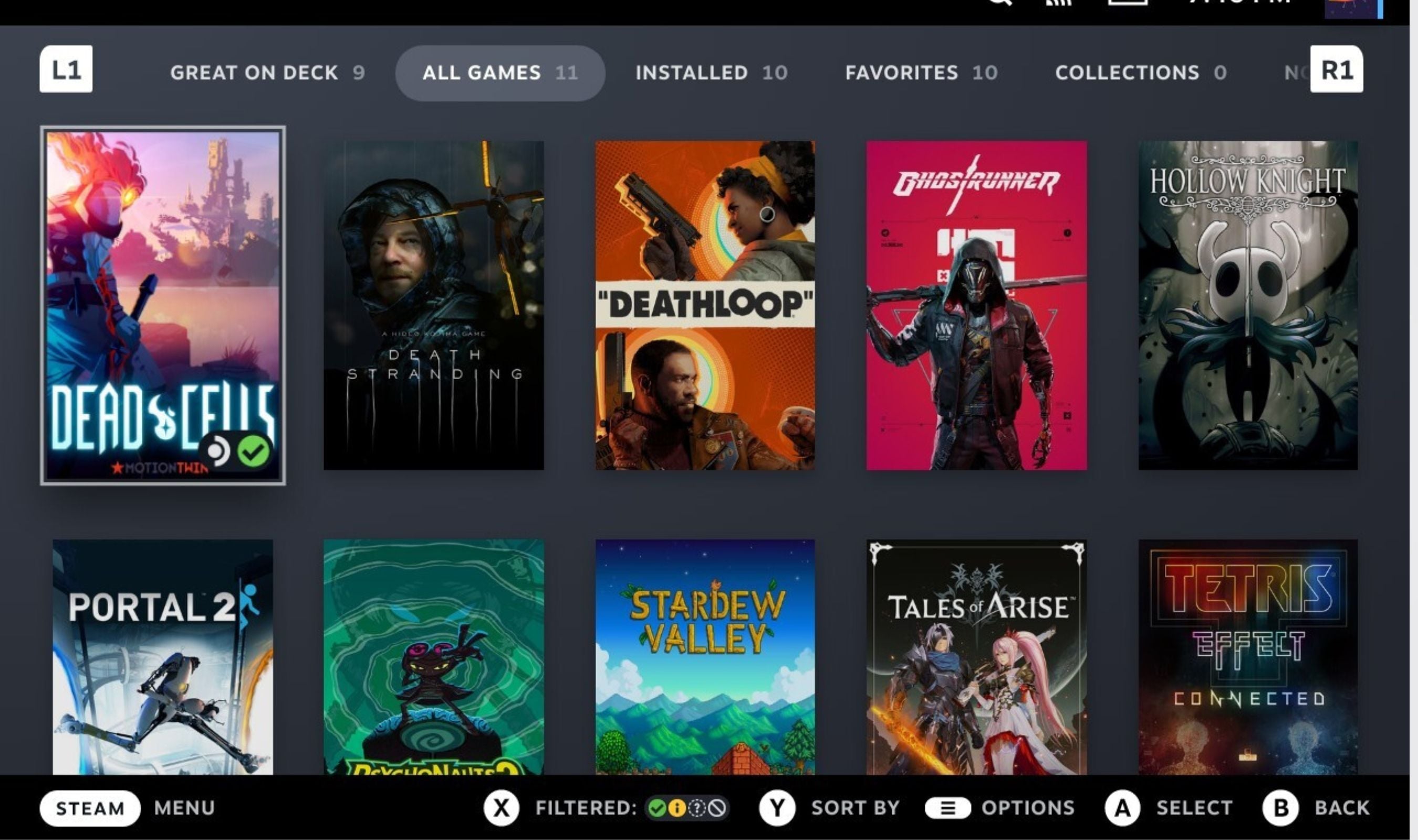
Software groundwork for Valve's long-delayed Steam Machine console PC appears in a major SteamOS preview update released yesterday, signaling progress on hardware that faces component shortages.
SteamOS version 3.8.0 preview now includes "initial support for upcoming Steam Machine hardware" according to its changelog, placing the foundational code above dozens of other improvements in the massive update. The Linux-based operating system powers Valve's Steam Deck handheld and will run the company's forthcoming console-style gaming PC.
Valve announced the Steam Machine in 2025 but component procurement challenges have pushed its release window to sometime this year. The system was originally planned with 32GB of RAM and an 8GB AMD GPU, specifications that became difficult to source as AI data centers consumed supply.
The preview update delivers more than just Steam Machine preparation. Variable refresh rate frame pacing receives enhancements while Bluetooth Wake functionality returns for Steam Deck LCD models after earlier fixes caused spurious wake issues.
Handheld compatibility expands significantly across competing devices from Lenovo, ASUS, OneXPlayer, GPD, and Anbernic. Controller input latency drops from 5-8 milliseconds to 100-500 microseconds on supported systems through optimization work.
Audio improvements detect HDMI channel counts for surround configuration and restore internal audio devices after reboots when set to off in desktop mode. A new accessibility option forces mono audio output while Bluetooth headset microphone usage becomes possible at the cost of reduced playback quality during capture.
Desktop Mode transitions to Wayland display protocol by default with X11 remaining selectable through developer settings or command line tools. External HDR display support arrives alongside per-display scaling factors and better television compatibility out of the box.
System firmware updates include BIOS version 133 for Steam Deck LCD with security patches and a "Memory Power Down" setup option. OLED models receive BIOS version 114 where charging LEDs now indicate when user-set charge limits are reached rather than only at full capacity.
Non-Deck systems gain improved compatibility with recent Intel and AMD platforms alongside better video memory management for discrete GPU configurations. Power button short and long press functionality extends across wider device varieties while smooth boot fixes address issues on newer AMD APUs.
Valve notes one known issue where users attempting to enroll in Preview channel updates may automatically opt into Beta Channel instead. The workaround requires enabling Advanced Update Channels in developer settings until a fix arrives through Steam Client updates.