
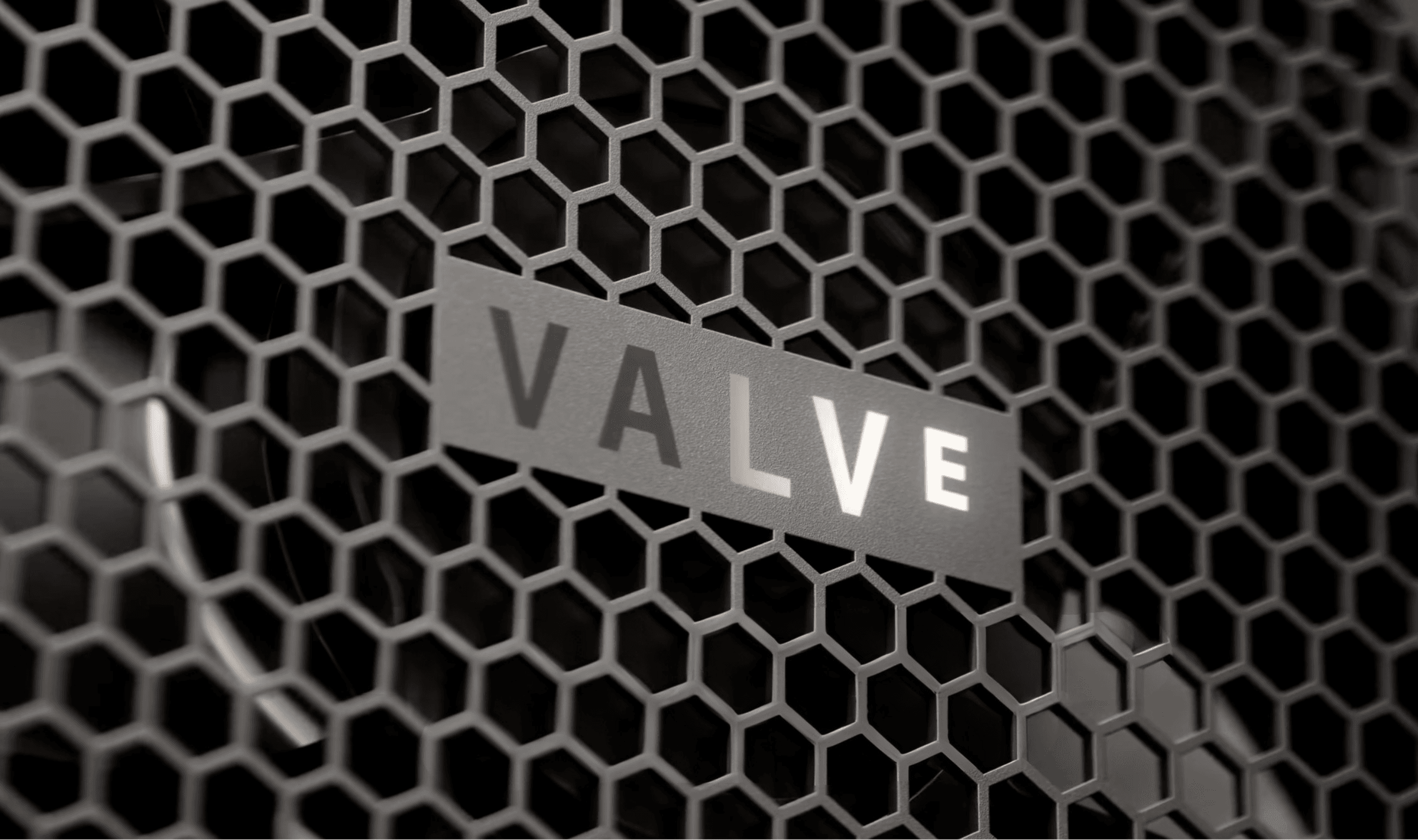
Valve's upcoming Steam Machine will feature a more lenient verification program than its Steam Deck handheld, according to company designer Lawrence Yang. The desktop gaming PC's compatibility system will have "fewer constraints" for developers compared to the handheld's requirements.
Speaking with GameDeveloper earlier this year, Yang detailed how the Steam Machine verification process will differ from the Steam Deck program.
Games that already carry the Steam Deck Verified badge will automatically qualify for Steam Machine verification.
"One easy rule of thumb is that if your title is Verified on Steam Deck, it will be Verified on Steam Machine," Yang said.
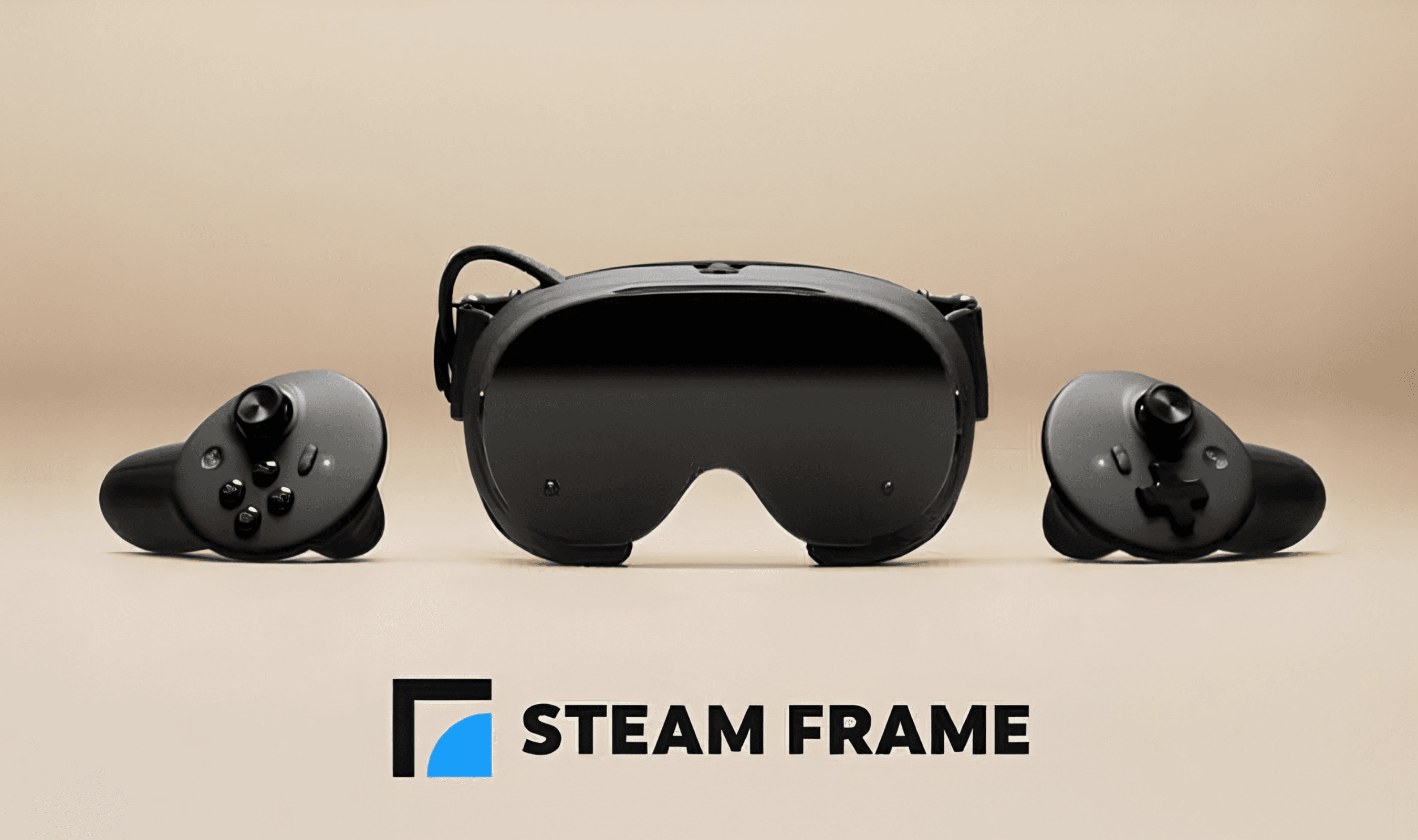
The Steam Machine, scheduled for an early 2026 launch alongside the Steam Frame VR headset and new Steam Controller, represents Valve's return to living room gaming hardware. The cube-shaped device runs on SteamOS like the Steam Deck but targets television displays rather than portable screens.
Valve's verification programs evaluate games across multiple criteria including performance, user interface readability, and input compatibility. The Steam Deck program accounts for the handheld's smaller display and integrated controls, requiring developers to optimize UI scaling and ensure games work with the device's built-in controls.
Steam Machine verification removes several of these constraints. The desktop PC's larger television displays eliminate UI scaling concerns, and the system's expected keyboard and mouse connectivity simplifies input requirements.
Valve referred to the Steam Machine as equivalent to six Steam Decks in its announcement video, indicating significantly more powerful hardware.
According to the company's specifications, the Steam Machine features a 6-core AMD Zen 4 processor with RDNA 3 graphics. This hardware configuration supports higher resolutions than the Steam Deck, allowing games to run at television-optimized settings without the performance compromises required for portable gaming.
The verification program aims to clarify how games perform in living room environments. Valve will evaluate each title specifically for the Steam Machine system, though most Steam Deck Verified games should pass automatically. The company plans to go through "the same rounds of testing and providing developer feedback" as it does with Steam Deck verification.
Some games may still face compatibility issues on the new hardware. DRM protections could block popular titles like Battlefield 6 and Black Ops 7, similar to existing Steam Deck limitations. Demanding games might struggle at higher resolutions despite the improved hardware specifications.
Valve announced the Steam Machine alongside the Steam Frame VR headset and redesigned Steam Controller in November 2025. All three products are scheduled for early 2026 availability, though pricing remains unannounced.
The Steam Machine represents Valve's second attempt at living room gaming hardware following the original Steam Machine initiative in 2015.
The new verification approach reflects Valve's hardware strategy evolution. While the Steam Deck targets portable gaming with strict compatibility requirements, the Steam Machine aims for living room flexibility with broader game support. The company continues expanding its SteamOS ecosystem across multiple form factors.
Earlier this month, Valve updated its Steam Deck verification program with popular factory simulation game Satisfactory earning the Verified badge. The game required UI scaling fixes to meet the handheld's requirements, demonstrating the type of optimizations Steam Machine developers won't need to implement.
Valve's hardware expansion positions SteamOS as a multi-platform gaming solution, with the new Steam Machine program offering a more lenient path.