
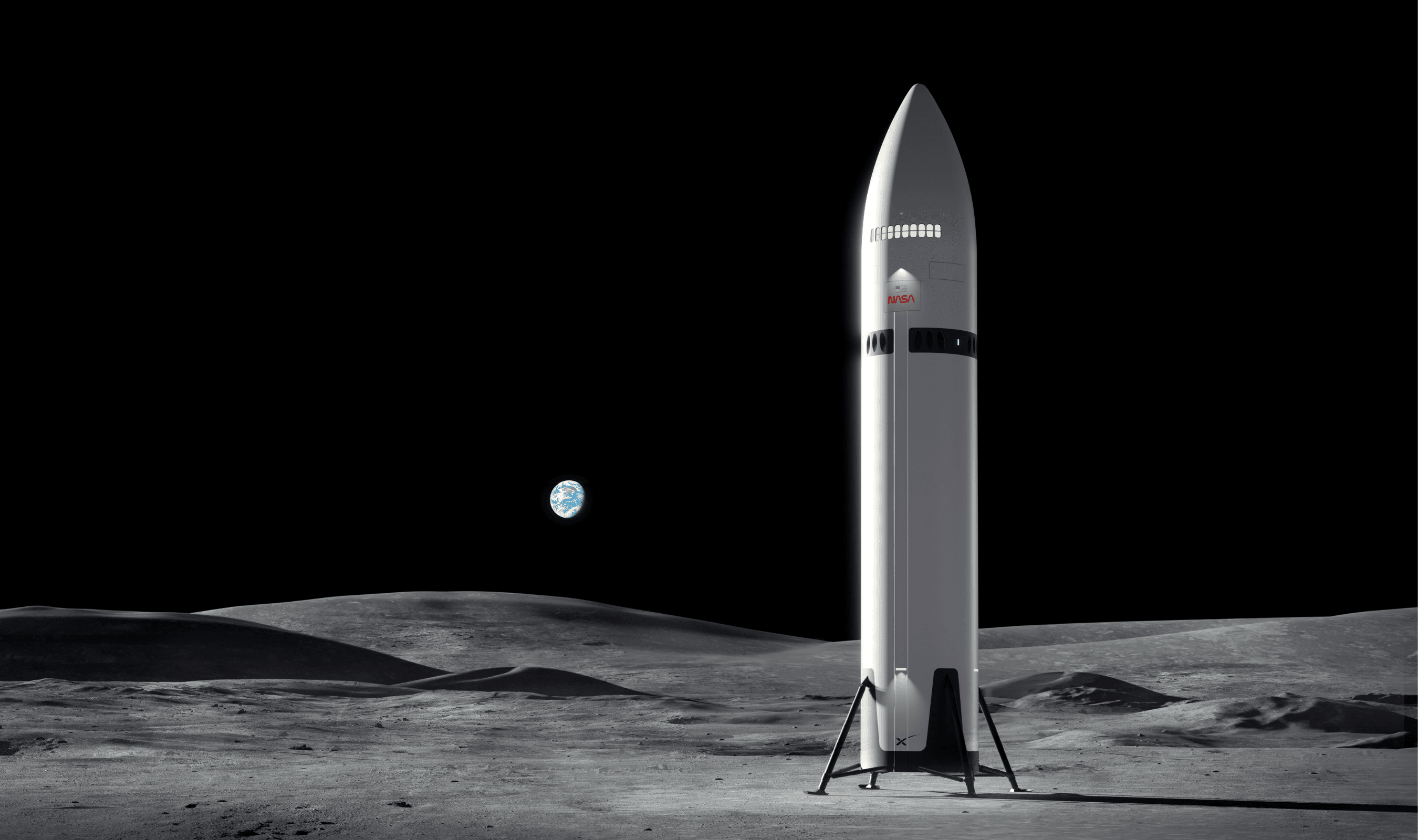
SpaceX CEO Elon Musk announced a strategic pivot on February 8, 2026, prioritizing lunar settlement over Mars colonization. The company now targets a self-sustaining Moon city within a decade, marking a departure from two decades of Mars-focused rhetoric.
Musk detailed the shift on his X platform, stating SpaceX could establish a "self-growing city" on the Moon in under 10 years. Mars settlement would require 20-plus years, according to his timeline assessment.
The announcement followed a Wall Street Journal report indicating SpaceX informed investors about prioritizing lunar missions.
Logistical realities drove the decision. Mars launch windows occur every 26 months with six-month transit times, while Moon missions can launch every 10 days with two-day journeys. This allows faster iteration and development cycles for lunar infrastructure.
"SpaceX will also strive to build a Mars city and begin doing so in about five to seven years," Musk wrote. "But the overriding priority is securing the future of civilization, and the Moon is faster."
The pivot represents a reversal from Musk's January 2025 position, when he declared "No, we're going straight to Mars. The Moon is a distraction." That stance aligned with early Trump administration signals emphasizing Mars exploration over lunar programs.
SpaceX's lunar ambitions coincide with NASA's Artemis program, which awarded the company a nearly $3 billion contract for a Starship-based lunar lander. The Human Landing System contract targets a 2028 crewed Moon landing, the first since Apollo 17 in 1972.
Technical challenges remain substantial. Starship has yet to demonstrate orbital flight or in-space refueling capabilities critical for lunar missions. NASA officials have suggested potential alternatives like Blue Origin's lander if Starship development stalls.
The announcement followed SpaceX's acquisition of Musk's artificial intelligence company xAI earlier in February 2026. The merger created a combined entity reportedly valued at $1.25 trillion, positioning SpaceX for a potential public offering.
SpaceX reportedly plans a mid-2026 IPO that could raise $50 billion, potentially becoming the largest public offering in history. The company's Starlink satellite internet service generates most revenue, with NASA accounting for less than 5% of total income despite the Artemis contract.
Geopolitical competition accelerated the lunar focus. China's Chang'e program achieved multiple lunar firsts, including far-side landings and sample returns. Beijing plans an International Lunar Research Station with Russia through the 2030s.
The United States responded with accelerated Artemis timelines and expanded commercial partnerships. Executive orders from the Trump administration called for human lunar return by 2028 and permanent outpost establishment by 2030.
A self-growing lunar city would use autonomous construction and in-situ resource utilization. Water ice from permanently shadowed polar craters could provide propellant, drinking water, and radiation shielding.
Lunar regolith could be processed into construction materials using solar energy.
SpaceX filed an FCC application for up to one million satellites to serve as orbital data centers. Musk has discussed space-based AI computing and orbital manufacturing, potentially sourced from lunar materials.
The company faces engineering hurdles including extreme temperature swings, abrasive lunar dust, and radiation exposure without Earth's magnetic field. Water extraction from minus 240°C craters requires untested mining technologies.
Musk's timeline history includes missed Mars targets from 2018, 2022, and 2026. Similar delays affected Tesla's autonomous driving and humanoid robot projects.
Industry observers note the lunar pivot may reflect investor pressure ahead of the planned IPO.
SpaceX's transformation of the launch industry continues with private companies securing increasing government contracts. The lunar focus positions the company at the center of renewed international competition for off-world resources and settlement.