
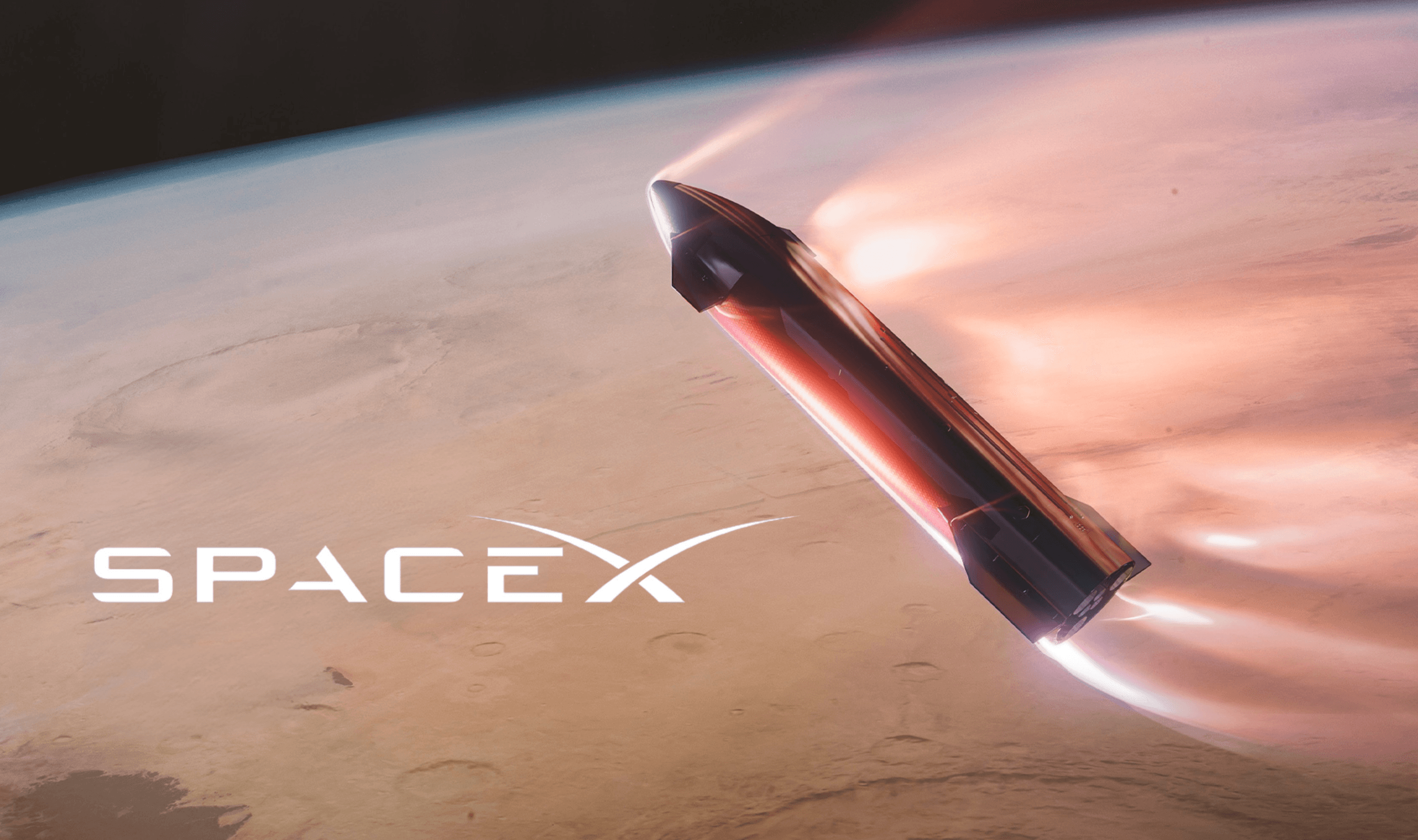
SpaceX set a new launch pad turnaround record at Cape Canaveral on January 14, launching a Falcon 9 rocket just 45 hours after the previous mission from the same facility. The Starlink 6-98 mission lifted off at 1:08 p.m. from Space Launch Complex 40, carrying 29 Starlink satellites to orbit.
The 45-hour gap between launches beat the previous record by nearly six hours. The old mark stood at two days, two hours, and 44 minutes, set between December 9 and 11, 2025.
This was the fourth SpaceX mission of 2026 and the company's 13th flight using this particular first-stage booster.
SpaceX recovered the booster on the droneship "A Shortfall of Gravitas" stationed in the Atlantic Ocean. The company has now launched nearly 11,000 Starlink satellites since its first operational mission in 2019, according to statistics maintained by astronomer Jonathan McDowell. Approximately 9,500 of those satellites remain operational, with about 8,200 currently in their designated orbits.
Every SpaceX launch so far this year has originated from SLC-40, and all upcoming announced missions will continue using the same pad. The next Starlink mission is scheduled for January 18 during a four-hour launch window from 5:04-9:04 p.m. Another Starlink launch follows on January 28.
NASA confirmed its next crewed mission, Crew-12, will also launch from SLC-40, targeting a February 15 departure. SpaceX typically uses Kennedy Space Center's Launch Pad 39-A for Crew Dragon flights but previously used SLC-40 for the Crew-9 mission in 2024.
All four of SpaceX's 2025 human spaceflights launched from Kennedy Space Center.
The Space Force recently awarded SpaceX $739 million for nine national security launches extending through the second quarter of 2028. These missions will deploy missile-warning and missile-tracking space vehicles into orbit.
United Launch Alliance launched its first mission of 2026 on February 12 from Cape Canaveral's Space Launch Complex 41, using its new Vulcan rocket for only the fourth time. The USSF-87 mission will carry a Geosynchronous Space Situational Awareness Program spacecraft into space.
Blue Origin has not announced a date for its next New Glenn flight from Launch Complex 36, but the mission will involve the company's Blue Moon Mark 1 lunar lander. The uncrewed vehicle aims to touch down on the moon's south pole.
NASA continues preparations for Artemis II, which is now targeting March 2026 as the earliest possible launch opportunity. The mission would mark the first crewed launch of the Orion spacecraft and the second flight of the Space Launch System rocket.
NASA plans to roll the SLS and Orion to Launch Pad 39-B this weekend for final tests before setting an official launch date.
SpaceX flew 101 of the record 109 orbital missions from Florida in 2025, with Blue Origin launching twice and United Launch Alliance flying six times. The company's launch cadence continues to accelerate as it expands its Starlink constellation and fulfills government contracts.