

Scammers are targeting Verizon customers with fake refund messages following last week's nationwide service outage. The Jones County Sheriff's Office in Georgia issued warnings about fraudulent texts and emails that promise compensation for the January 14 disruption.
Verizon confirmed a legitimate $20 account credit for affected customers, but scammers have created convincing fake messages with malicious links. The phishing attempts arrive as customers await legitimate compensation for the nine-hour outage that impacted 1.5 million users across major cities including New York, Charlotte, Houston, and Atlanta.
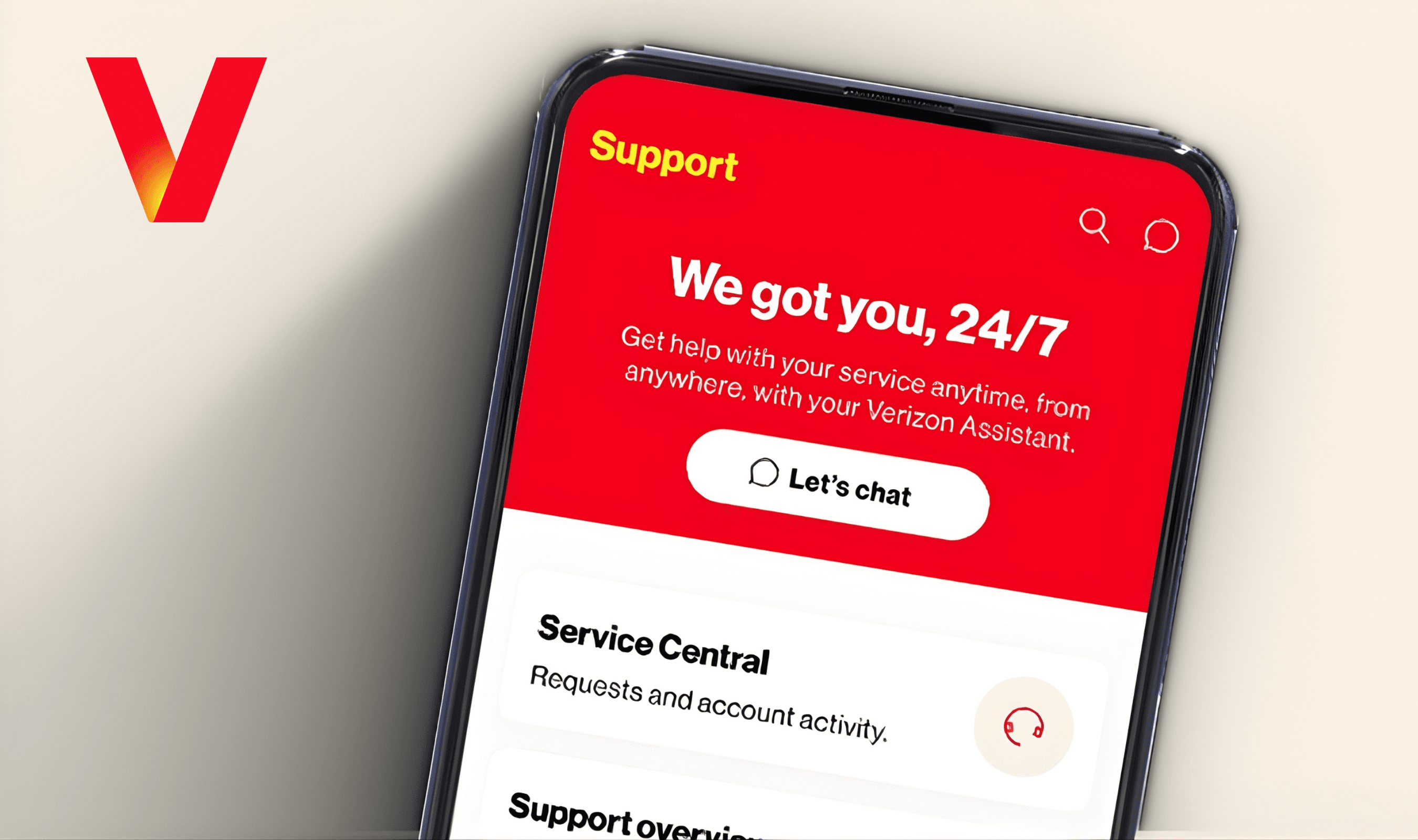
Security firm Guardio reports scammers are exploiting confusion around Verizon's actual credit distribution. The company's real $20 compensation is only accessible through the My Verizon app or official website, not through unsolicited links in messages.
Fake texts direct users to "Member Verification" websites designed to steal login credentials and personal information. Some messages claim 11,430 reward points are expiring, while others mimic Verizon's legitimate outage compensation notifications.
Georgia deputies warn that any message containing a link requesting financial information is fraudulent. Verizon will not ask for sensitive data when redeeming the legitimate credit, which the company says "covers multiple days of service" and acknowledges customer inconvenience.
The timing creates perfect cover for attackers, as legitimate Verizon texts about the $20 credit are circulating alongside scam messages. Scammers now use text messages three times more often than phone calls, with free rewards serving as common bait, according to recent reports.
Customers should verify any suspicious message by logging directly into their Verizon account through official channels. The sheriff's office advises deleting suspicious texts immediately without clicking links, then contacting Verizon customer support for verification.
Verizon's outage began January 14 around noon Eastern Time, with phones displaying "SOS" indicators for over nine hours. Service restoration completed after 10 p.m., though some customers reported lingering issues into Thursday morning.
The company apologized for the disruption, stating the credit "isn't meant to make up for what happened" but represents "a way of acknowledging your time." Business account holders will receive direct communication about their compensation.
Similar scam messages have targeted AT&T customers with identical reward point claims, prompting warnings from both major carriers. All wireless companies advise independently accessing accounts to verify reward program status rather than clicking message links.
Google recently warned that text-based threats now affect nearly all smartphone users, making verification essential before engaging with any unsolicited communications offering compensation or rewards.