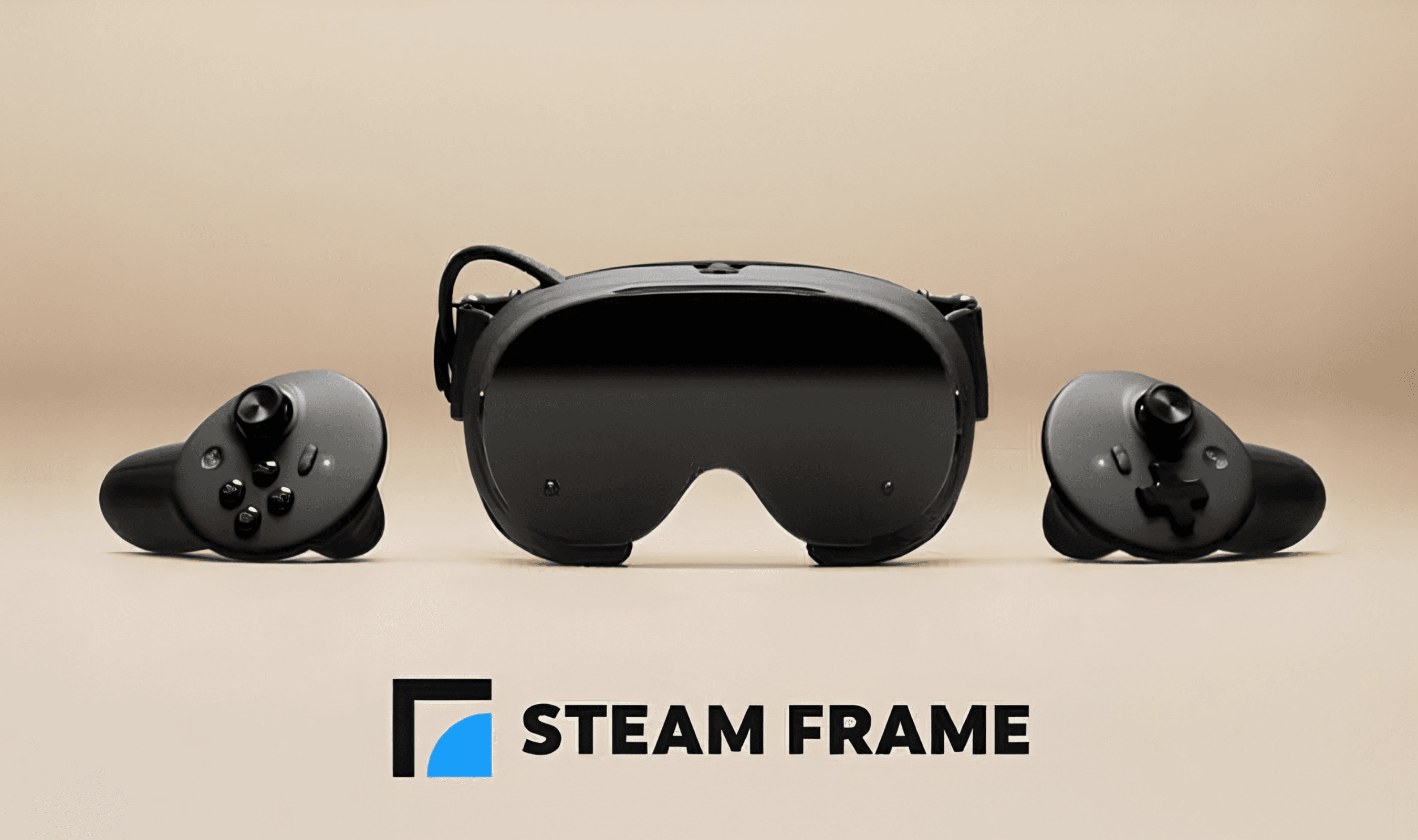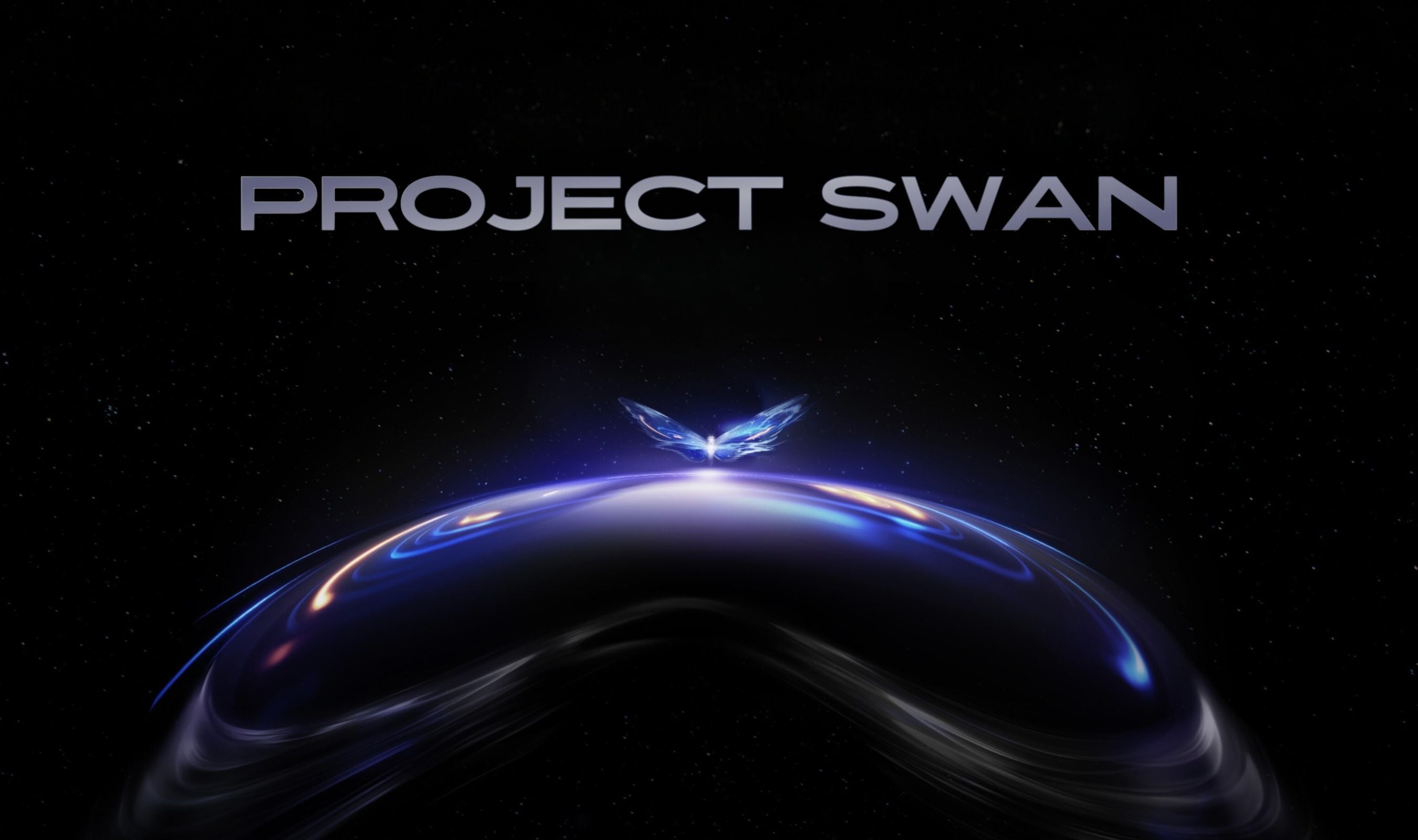
ByteDance's VR division is targeting Apple's premium spatial computing market with a high-end headset that matches Vision Pro specifications at a potentially lower price point. The TikTok parent company announced Project Swan at Mobile World Congress in Barcelona this week, revealing a micro-OLED display with 40 pixels per degree resolution and custom dual-chip processors.
Pico's new flagship device represents a pivot from gaming-focused VR hardware to productivity-oriented spatial computing. The headset will run Pico OS 6, an operating system that enables multi-app 3D workspaces through a feature called PanoScreen.
Users can run multiple applications simultaneously while maintaining a 360-degree view of their physical environment, with other participants appearing as 3D avatars in shared workspaces.
The technical specifications place Project Swan directly against Apple's two-year-old Vision Pro. Both headsets use micro-OLED displays with approximately 40 PPD resolution for sharp text rendering in productivity applications.
Pico claims its custom processors deliver twice the performance of Qualcomm's Snapdragon XR2 Gen 2 chip found in Meta's Quest 3 and Samsung Galaxy XR headsets.
"Pico OS 6 represents a step toward making XR a practical computing tool, not just a gaming device,"
the company stated in its announcement materials. The operating system supports development toolkits including Spatial, OpenXR, WebXR, Unity, and Unreal Engine, with cross-platform compatibility across visionOS and Android XR systems.
Project Swan arrives as Meta has reportedly delayed its next high-end Quest headsets until 2027 or later, with the company discontinuing its Quest Pro model in 2025 after poor sales.
ByteDance acquired Pico in 2021 and has since positioned it as China's primary competitor to Meta in virtual reality hardware. The company canceled an ultralight headset project targeting Meta's Orion glasses last year before shifting focus to the premium productivity segment.
The headset includes dedicated processing for sensor data and passthrough display with latency reduced to approximately 12 milliseconds, matching Apple's specifications for the Vision Pro. Pico developed its own chip for environmental processing alongside what appears to be Qualcomm's next-generation XR processor platform.
Pricing remains unannounced, but Project Swan to undercut Apple's $3,499 starting price for the Vision Pro while offering comparable display technology and productivity features. The company plans a closed early-access program ahead of broader availability later this year.
"It's a little odd, their timing," says Jitesh Ubrani, a research manager at IDC. "The fact that they're getting into the market at all also seems a little strange."
The analyst noted Apple established its spatial computing platform two years ago while Meta continues developing its Horizon OS ecosystem.
Pico will provide additional details about Project Swan during a Game Developers Conference session scheduled for March 12 in San Francisco.