
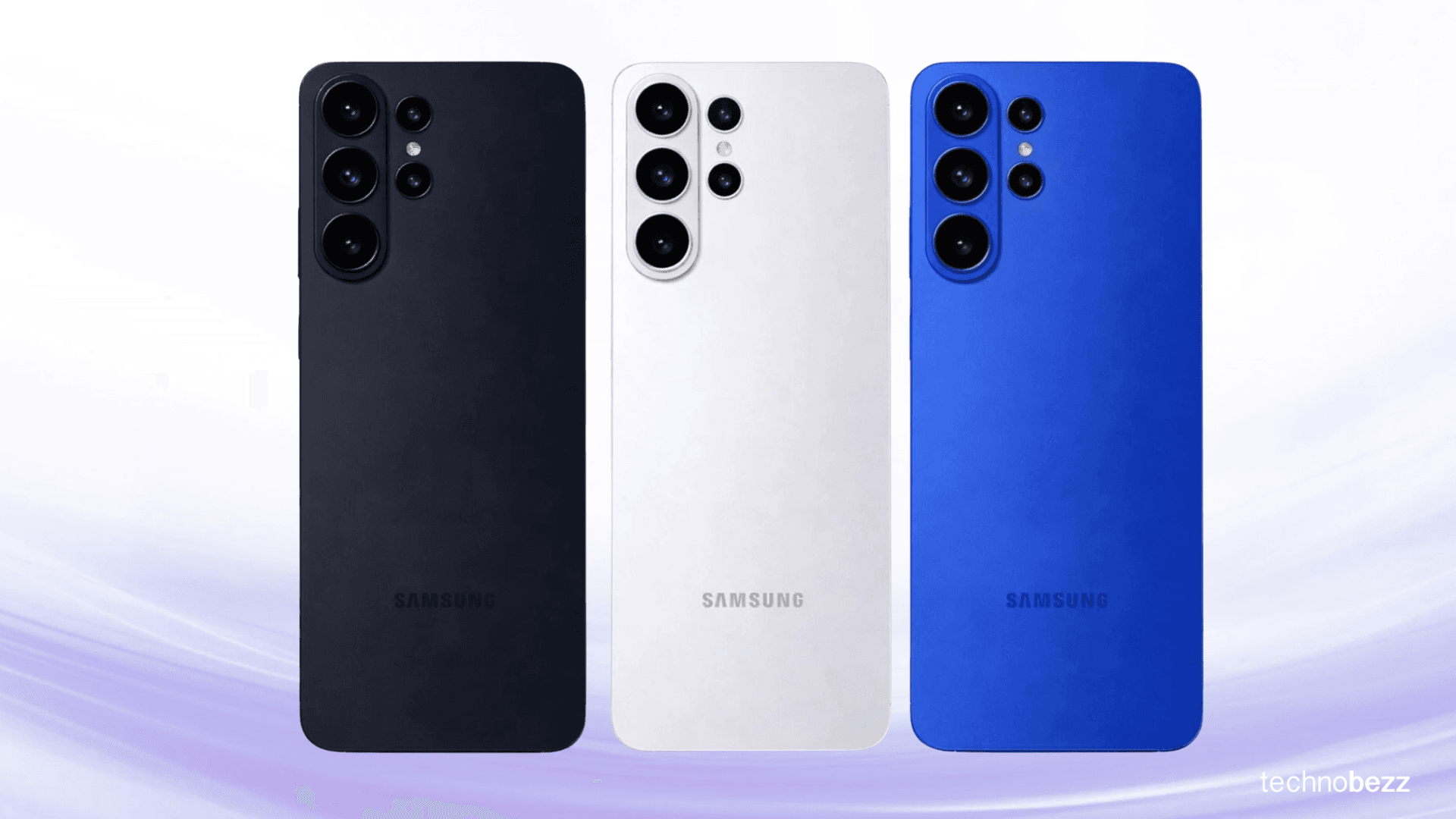
Samsung confirmed it will consider price increases for future flagship phones, including the upcoming Galaxy S26 series. The admission came from Wonjin Lee, Samsung's president and head of global marketing, in a Bloomberg interview earlier this week.
"Prices are going up even as we speak," Lee told Bloomberg. "Obviously, we don't want to convey that burden to the consumers, but we're going to be at a point where we have to actually consider repricing our products."
The warning follows late-December reports from South Korea that Samsung has struggled to reduce manufacturing costs. Component prices, especially for semiconductors, have continued rising alongside increased labor and marketing expenses.
Samsung's DRAM division posted record revenue of $19.2 billion in Q4 2025, according to CounterPoint Research data cited by multiple reports. The company's RAM division alone brought in $25.9 billion during that quarter, representing 34% growth and 40% of Samsung's total sales.
Despite manufacturing its own memory chips, Samsung faces pricing pressure from global semiconductor shortages. The company's advantage in vertical integration hasn't shielded it from broader market forces affecting all smartphone manufacturers.
Regional pricing strategies may spare some buyers from immediate increases. Reports suggest Samsung could raise prices in South Korea while keeping US pricing unchanged to protect sales volume in its largest market.
The Galaxy S26 series, expected to launch in late February, appears particularly vulnerable to these cost pressures. Samsung's direct confirmation marks a shift from previous pricing strategies where the company absorbed more component cost increases internally.
Memory prices have skyrocketed over recent months as manufacturers prioritize high-bandwidth memory for AI development over traditional DRAM. This supply shift affects all Android device makers, not just Samsung.
US consumers may avoid the initial price hikes if Samsung implements its reported regional strategy. The company generates higher sales volume and revenue in the American market, making competitive pricing there a priority for maintaining market share.
Samsung's warning comes amid broader industry concerns about semiconductor supply constraints. The company noted that "there's going to be issues around semiconductor supplies, and it's going to affect everyone" in the Bloomberg interview.
The admission represents a significant departure from Samsung's previous approach to flagship pricing. While the company hasn't confirmed specific Galaxy S26 pricing, the executive's comments suggest increases are inevitable for at least some markets.
Competitors including Apple and Chinese manufacturers face similar component cost pressures. Samsung's transparency about potential price adjustments provides early warning to consumers considering flagship upgrades in 2026.
Final pricing decisions will likely emerge closer to the Galaxy S26's expected late February launch. The company's regional strategy, if implemented, could create significant price disparities between markets for the same flagship devices.