
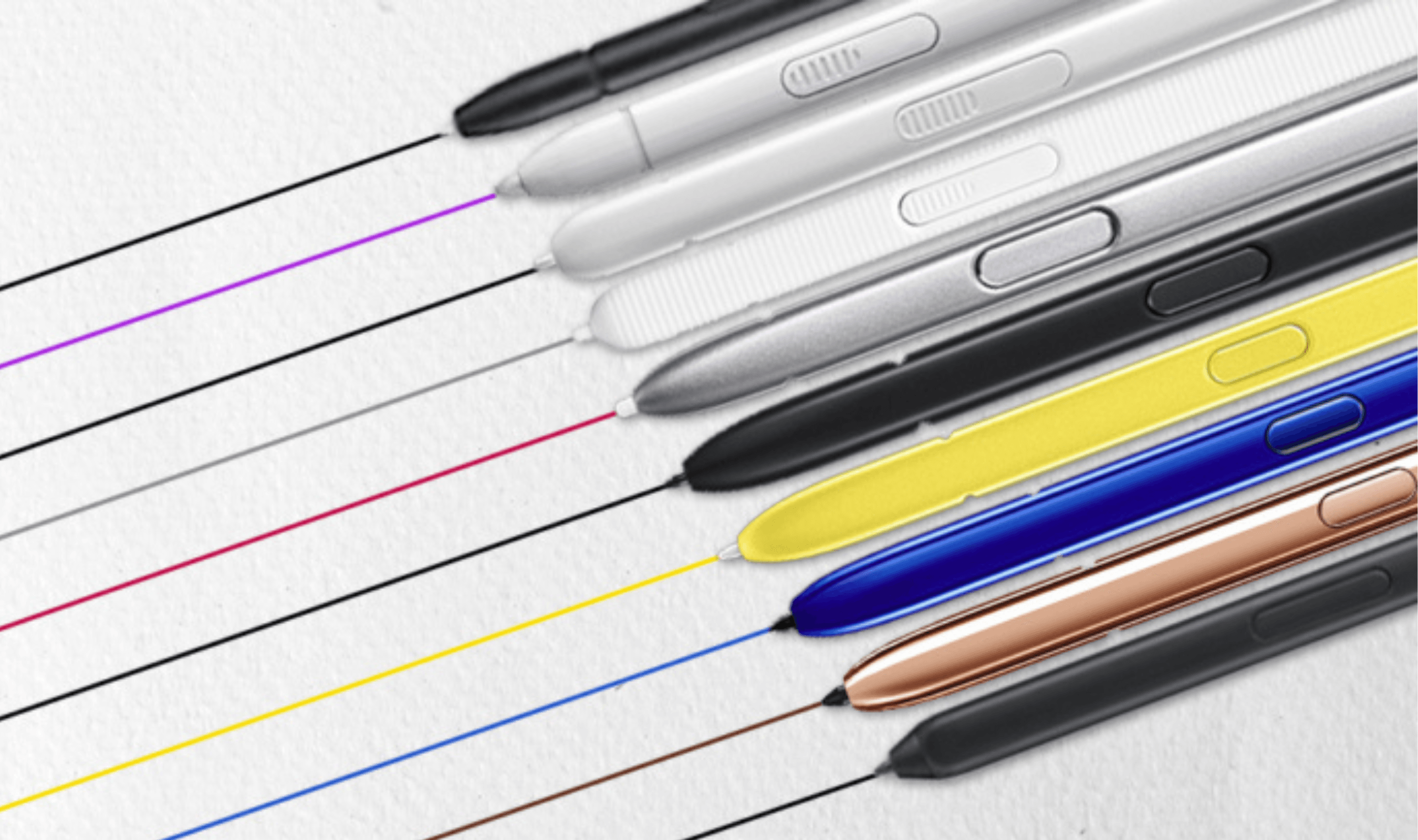
Fewer than 1% of users employed Bluetooth features on Samsung's S Pen stylus, according to company data that justified removing wireless functionality from last year's Galaxy S25 Ultra. The decision eliminated Air Actions capabilities that had defined premium Galaxy devices since 2018, when low-energy Bluetooth first transformed the accessory into a remote control for media playback, camera operation, and system navigation.
Samsung introduced the S Pen alongside its original Galaxy Note in 2011 as a productivity tool, but wireless functionality arrived seven years later with the Note 9. Users could wave the stylus like a wand to control their phones from across rooms, taking photos or adjusting media playback through motion gestures. That capability migrated to Galaxy S Ultra models after Samsung discontinued the Note line.
Early 2025 brought what SlashGear described as "palpable" outrage when Bluetooth disappeared from the Galaxy S25 Ultra's S Pen. A user petition demanding reversal collected over 9,500 signatures, while confusion spread after Samsung briefly suggested a separate Bluetooth-enabled stylus would be sold separately before retracting that information.
The company's most recent flagship tablet, the Galaxy Tab S11 Ultra, ships with a non-Bluetooth S Pen, making last year's Tab S10 Ultra the final device supporting wireless stylus features. Content creator testing confirms the newly announced Galaxy S26 Ultra continues without Bluetooth restoration, despite user hopes for its return.
Samsung Chief Operating Officer Won-Joon Choi revealed in a Bloomberg interview this week that development continues on "more advanced technology within S-Pen" requiring "a new structure of display." While specifics remain undisclosed, industry speculation centers on potential adoption of the USI 2.0 standard that could resolve interference issues with magnetic Qi2 wireless charging systems.
Third-party magnetic cases designed for Qi2 compatibility have reportedly disrupted S Pen functionality on Galaxy S26 Ultra units, creating pressure for technological revision. The display structure change mentioned by Choi might also address thickness concerns that previously prevented S Pen support in foldable devices like the Galaxy Z Fold 7.
"S-Pen will continue to be one of the core technologies,"
according to Choi's statement reported by 9to5Google. The company's commitment follows April 2026 rumors suggesting possible elimination of built-in stylus slots from future Ultra models starting in 2027.
The Bluetooth removal represents another entry on Samsung's growing list of discontinued premium features that includes removable batteries, headphone jacks, SD card slots, mechanical camera apertures, and curved displays. These reductions occur while flagship pricing exceeds $1,300 for devices like the Galaxy S26 Ultra currently available for pre-order through March 11.