
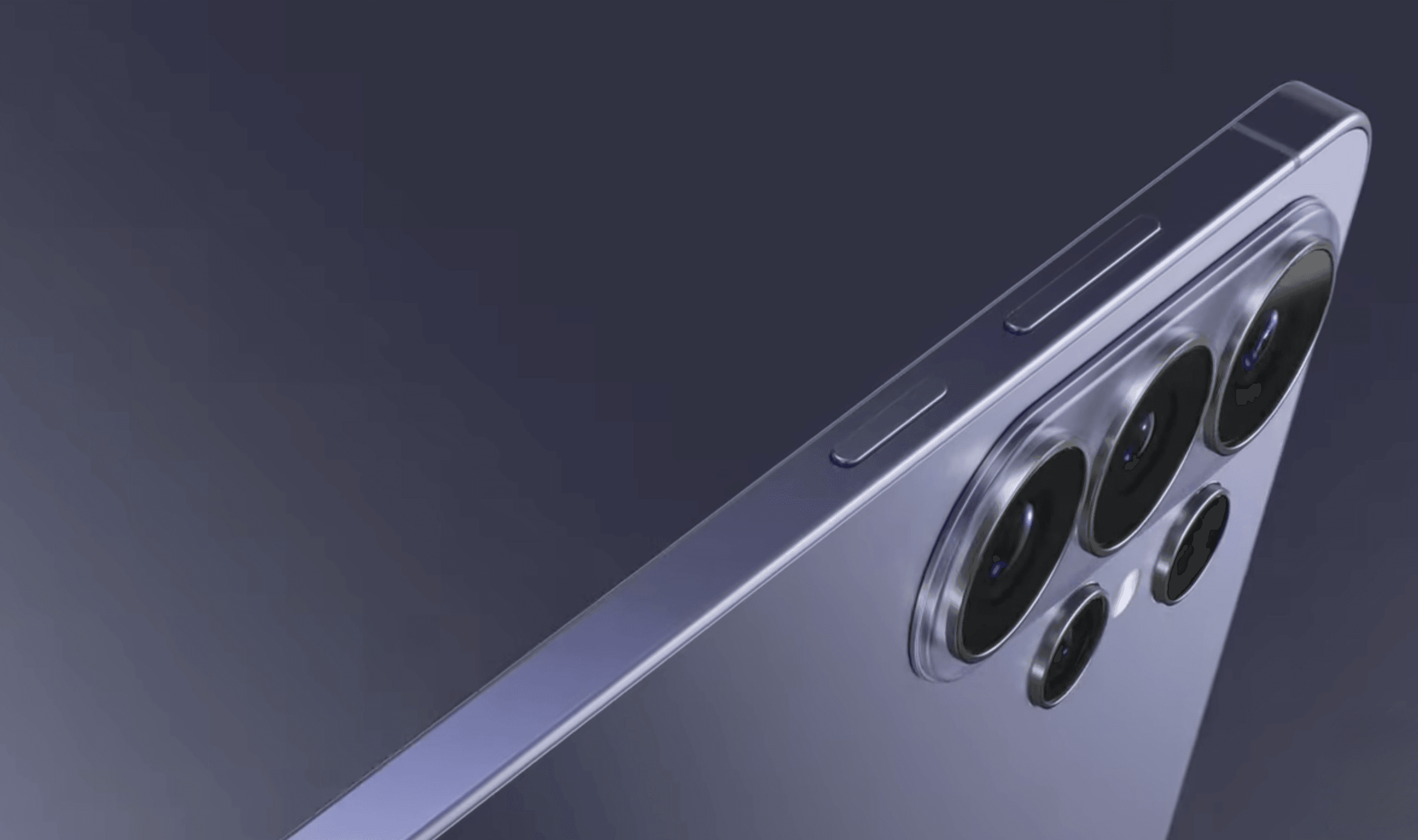
Samsung's new Galaxy S26 Ultra tackles mobile privacy at its most vulnerable point: the screen itself. The flagship device introduces Privacy Display, a hardware feature that physically prevents shoulder surfing by narrowing viewing angles on demand.
The technology works at the pixel level, controlling how light exits the screen to make content unreadable from side angles while maintaining normal visibility for the primary user. When activated, someone sitting next to you or standing behind sees only a darkened or distorted display.
This addresses what security experts call visual hacking, which affects 87% of professionals according to a 2023 Ponemon Institute study.
Privacy Display uses two types of pixels, narrow and regular, to achieve its effect. In normal mode, regular pixels emit light broadly for wide viewing angles ideal for sharing content. When privacy mode activates, narrow pixels restrict light paths so only someone looking straight on sees clear content.
The feature can be toggled instantly by pressing the power button twice or configured to activate automatically with specific apps like banking software.
Samsung demonstrated four key functions during its Unpacked event earlier this week. Users can hide specific apps permanently, obscure incoming notifications, activate privacy instantly with a double button press, or engage Maximum mode that makes the screen appear almost shut down from side angles.
Mashable's hands-on test found Maximum mode particularly effective, noting "the S26 Ultra's screen appear almost as if the phone had been shut down." The technology represents a shift from software-based privacy solutions to hardware-level protection.
Unlike aftermarket screen protectors that permanently reduce brightness and color accuracy, Samsung's integrated approach maintains display quality while adding privacy on demand.
"one of the most tangible advances in visual privacy we've seen from a major smartphone maker in years."
Privacy Display comes with significant limitations beyond its $1300+ price tag exclusive to the S26 Ultra model. Effectiveness varies with lighting conditions and viewing angles, and people sitting directly beside may still catch glimpses of information.
The feature also raises questions about battery impact since driving additional display layers requires power.
Enterprise and government customers could drive adoption given regulatory requirements around visual privacy in healthcare, finance, and legal sectors. Samsung's Knox security platform already makes Galaxy devices popular among corporate buyers, and hardware privacy display adds another layer for procurement evaluations.
Competitors will face pressure to respond if Samsung delivers functional privacy display technology in early 2026 shipments. Apple has filed related patents but historically prioritizes display quality over features that might compromise optical performance.