
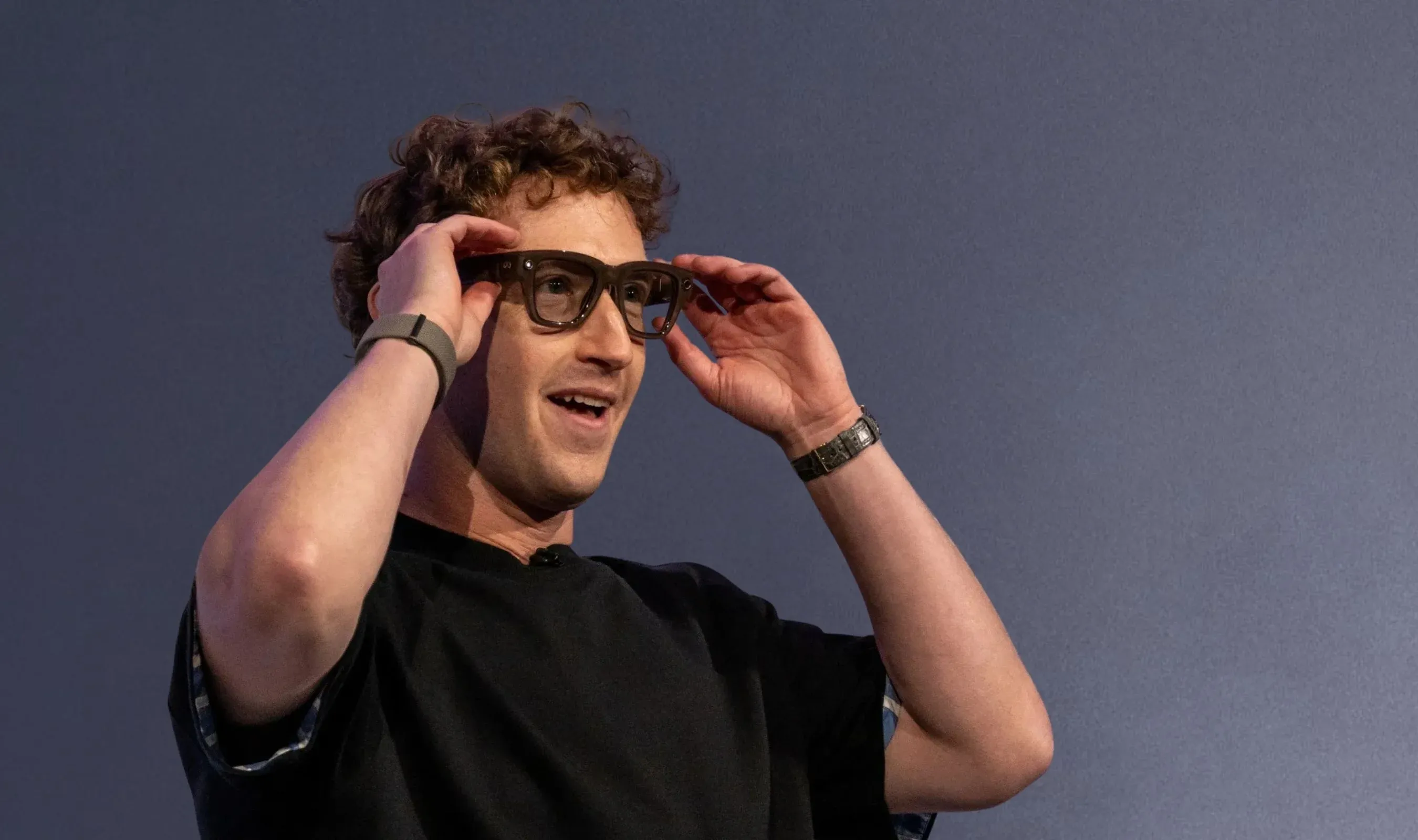
Meta employees seeking guidance from Mark Zuckerberg may soon interact with an AI version of their CEO instead of the real person. The company is reportedly building a photorealistic digital clone trained on Zuckerberg's mannerisms, tone, and strategic thinking to answer staff queries when he's unavailable.
The $1.6 trillion social media giant has prioritized development of a Zuckerberg-specific character among its portfolio of 3D animated AI personas, according to people familiar with the project who spoke to the Financial Times. The 41-year-old billionaire is personally involved in training and testing the system, spending five to ten hours weekly coding on AI initiatives and sitting in on technical reviews.
Zuckerberg's digital twin learns from his public statements, internal company strategy discussions, and even his voice patterns through image and audio analysis.
Company leadership believes employees "might feel more connected to the founder through interactions with it," one source told the publication.
This initiative builds on Meta's existing work creating interactive 3D characters that can engage in real-time conversation. The technology represents a pivot from the company's earlier metaverse ambitions toward practical workplace applications where AI handles routine executive communications.
The CEO clone follows last month's revelation that Zuckerberg uses a personalized "CEO agent" AI system developed internally at Meta. That tool helps him prepare for meetings and access company information faster, according to Wall Street Journal reporting.
Zuckerberg has pushed aggressively for broader AI adoption across Meta's operations, telling staff in January that integrating artificial intelligence helps "get more done" by elevating individual contributors and flattening organizational structures. He views these tools as essential for lowering costs and accelerating work pace amid multibillion-dollar investments aimed at achieving what he calls "superintelligence."
Some employees already mandated to use AI for streamlining internal processes view the executive-focused developments warily, fearing they could signal coming workforce reductions. The concern emerges against a backdrop where Meta laid off 10,000 workers in 2023 following company-wide meetings where staff questioned job security.
If successful with Zuckerberg's digital persona, Meta envisions expanding the technology to influencers and creators who could build their own interactive avatars. The approach mirrors techniques used by startups like Synthesia, a $4 billion UK company specializing in realistic video avatars that claims engagement increases significantly when information comes from familiar faces or voices.
Meta launched Muse Spark last week, an advanced AI model capable of estimating meal calories from photos and planning family holidays by simultaneously writing itineraries and searching for child-friendly activities. While praised for language and visual understanding capabilities, the model reportedly lags in coding and abstract reasoning tasks.
The company faces ongoing regulatory challenges alongside its technological ambitions. Last month, a New Mexico jury ordered Meta to pay $375 million in civil penalties for misleading consumers about platform safety and enabling harms including child sexual exploitation.