
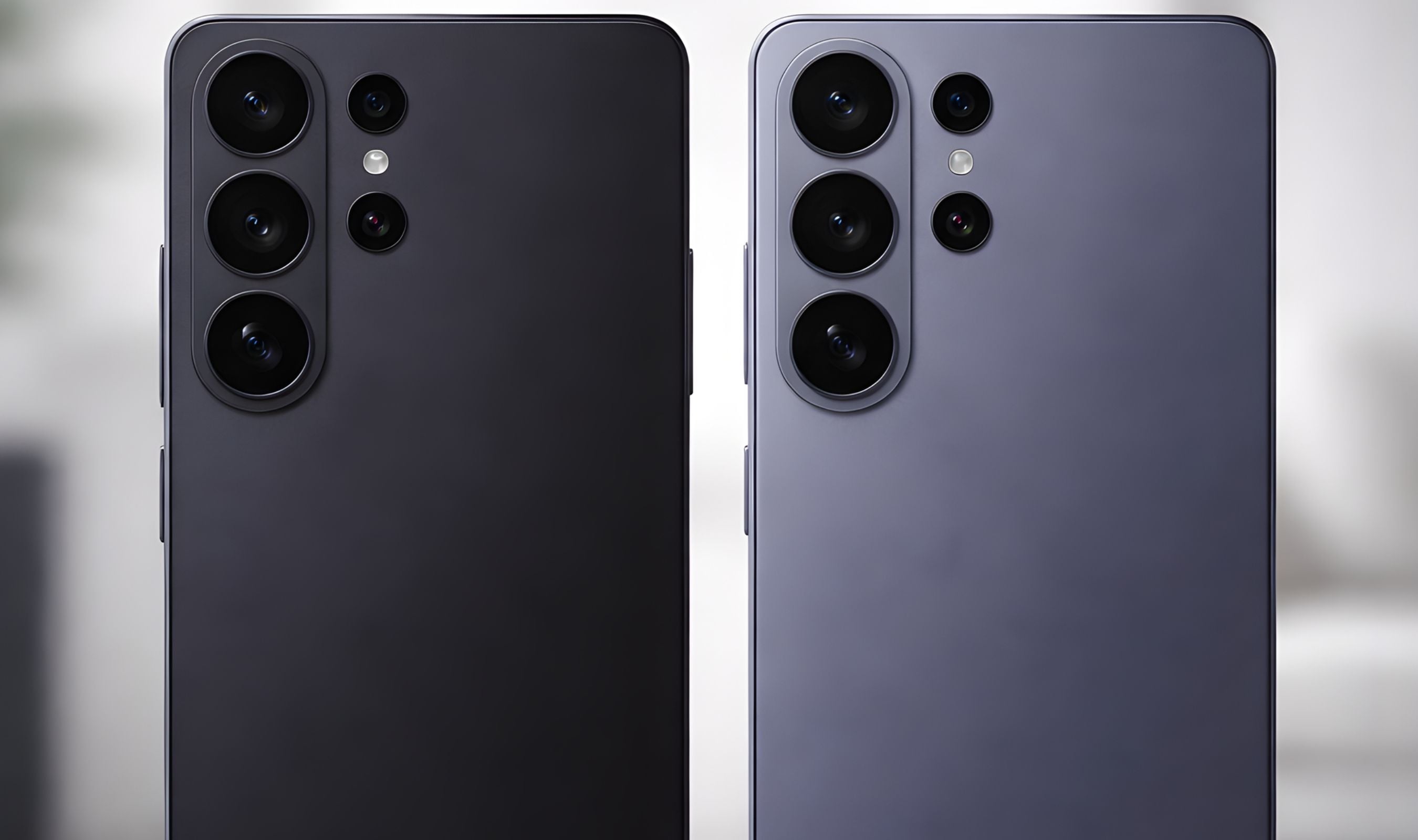
Samsung's Galaxy S26 series may skip built-in Qi2 magnets despite earlier rumors, according to newly leaked accessories and specifications. Clear cases for the upcoming phones show some include circular magnets while others don't, suggesting the phones themselves may lack the magnetic charging technology.
The discrepancy emerged from accessory leaks published by Nieuwemobiel, which revealed varying case designs for the Galaxy S26 lineup. Cases with integrated magnets would be unnecessary if the phones already contained internal magnetic components, as noted by 9to5Google analysis of the leaks.
Specification sheets for the Galaxy S26, S26+, and S26 Ultra list Wireless Power Share functionality, which typically conflicts with internal magnet arrays. Reverse wireless charging requires specific coil placement that magnetic systems can interfere with, creating technical challenges Samsung may have opted to avoid.
Google's Pixel 10 series, which launched last year with Qi2 support, had to sacrifice reverse wireless charging to accommodate magnets. The Pixel 10 devices offer only reverse wired charging as a result, highlighting the engineering trade-offs involved.
Samsung's potential decision marks a setback for magnetic accessory ecosystems on Android. Apple's iPhones have supported MagSafe for several years, creating a thriving market for magnetic cases, wallets, and chargers that Android manufacturers have sought to replicate.
The Galaxy S26 series was expected to join the Pixel 10 in pushing Qi2 adoption across the Android ecosystem. Magnetic charging offers faster wireless speeds and more secure accessory attachment compared to standard Qi wireless charging.
Alongside the magnet uncertainty, the Galaxy S26 lineup appears poised to receive Google's AI-powered Scam Detection feature. Code analysis by Android Authority and developer AssembleDebug found scam detection support flags in Galaxy S26 Ultra log files and Google's CallCore app.
Scam Detection, first announced by Google in March 2025, uses on-device artificial intelligence to analyze conversational patterns during calls.
The system identifies phrases commonly associated with scams, such as urgent money transfer requests or unusual verification demands.
When potential fraud is detected, users receive audio alerts, haptic warnings, and on-screen pop-up notifications. All processing occurs locally on the device, with no call audio or transcripts stored or transmitted to Google servers for privacy protection.
The Galaxy S26 series would become the first non-Pixel phones to feature the scam detection technology if Samsung includes it in the shipping software. This represents a significant expansion of Google's AI calling tools beyond its own hardware.
Samsung has not confirmed either the magnet configuration or scam detection features. The company typically unveils its Galaxy S series in February, with rumors pointing to a February 25 launch date for the S26 lineup.
Industry analysts note that Samsung faces increasing pressure to differentiate its flagship phones amid growing competition from Chinese manufacturers and Apple's continued iPhone dominance.
Feature decisions like magnetic charging implementation involve complex trade-offs between technical feasibility, user experience, and manufacturing costs.
The Galaxy S26 series represents Samsung's 2026 flagship smartphone offering, following the S25 lineup that launched earlier this year.
Final confirmation of the S26's features will come at Samsung's official unveiling, expected later this month. The company's decisions on magnetic charging and AI-powered security features will signal its priorities for the 2026 smartphone market.