
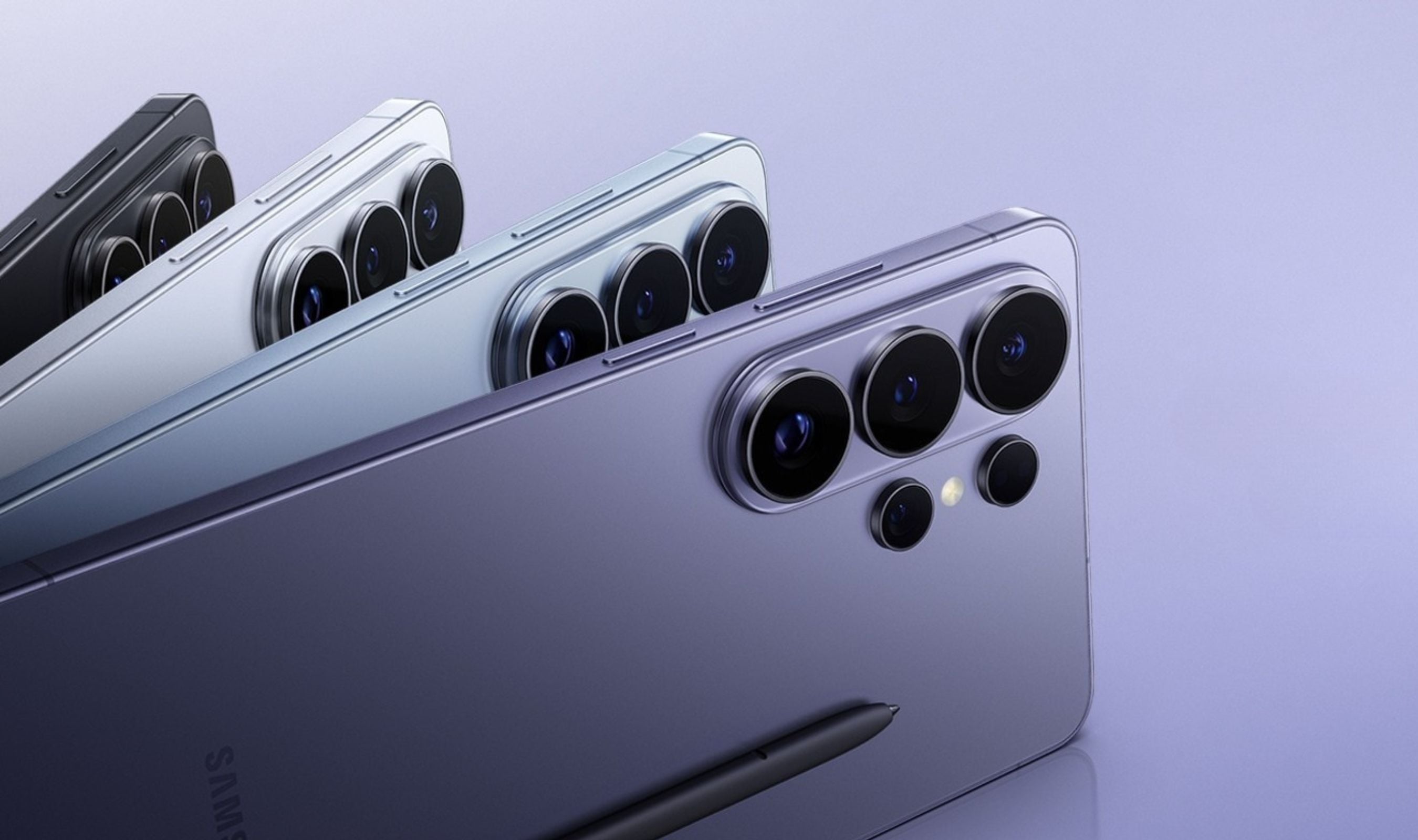
Samsung is exploring AI-powered "vibe coding" that would let Galaxy phone users customize apps and software experiences without programming knowledge. The company confirmed it's "looking into" ways to bring the feature to future devices, potentially transforming how people personalize their smartphones.
Won-Joon Choi, head of Samsung's Mobile eXperience business, told TechRadar the company is examining "the possibility of customising your smartphone experience in new ways, not just your apps but your UX." He envisions Galaxy users adjusting favorite applications or creating customized tools tailored to their needs through AI assistance.
Vibe coding represents a shift toward user-generated smartphone functionality. The concept allows modification of existing apps or creation of small personalized functions without traditional programming skills.
Right now users are limited to premade tools, but Samsung's approach could open customization beyond current boundaries.
AI-powered app creation already exists in limited forms. Nothing launched Playground in September 2025, letting users generate widgets or customize apps through text prompts.
Platforms like OpenAI's Codex and Anthropic's Claude Agent enable developers and non-coders to build applications quickly, one journalist reported Codex constructed a working Mac app in 15 minutes.
Samsung hasn't tested vibe coding on its One UI interface yet, but the exploration signals a push for greater user control. Over years the company has refined its Android-based software with useful features while avoiding complexity overload.
Vibe coding could extend that philosophy by letting people personalize applications according to individual preferences.
The development matches Samsung's broader hardware strategy. Moon Sung-hoon, vice president of hardware for Samsung's MX business, recently outlined plans to equip all Galaxy devices with Exynos processors long-term.
"He called developing application processors a complex process requiring 'mid to long-term strategy' spanning several years."
Samsung's Exynos 2600, the world's first chip on a 2nm process, reportedly delivered 39% CPU gains and double the GPU performance over its predecessor. The company claimed significant power consumption improvements that provide customer benefits.
"Moon said this year's Exynos 'received passing marks in many ways,' suggesting confidence in expanding its use."
AI tools are becoming standard for developers, with Google now recommending specific models for Android app development assistance. As these technologies mature, they could enable everyday phone users to craft personalized digital experiences previously requiring professional programming skills.