
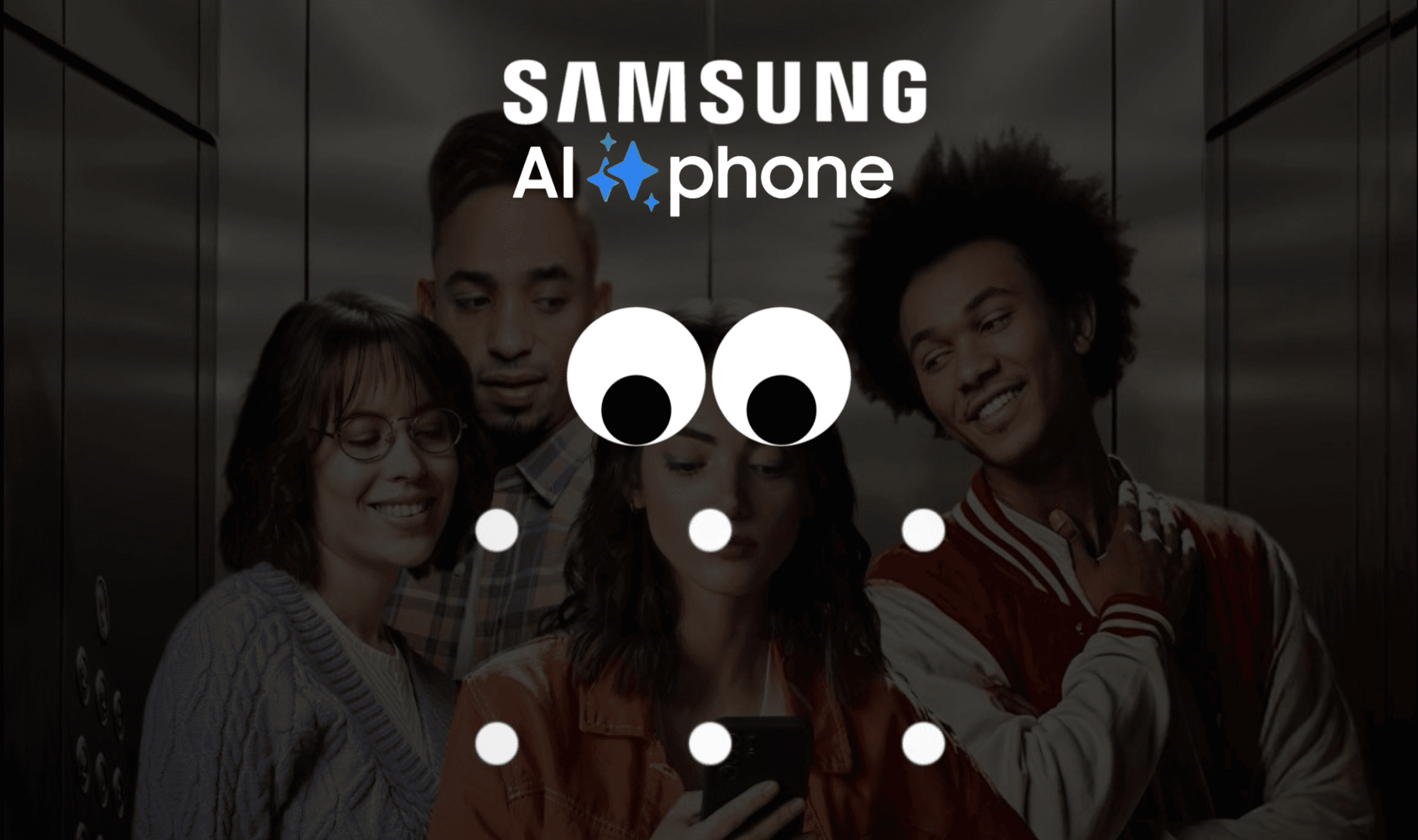
Samsung confirmed a new pixel-level privacy feature for upcoming Galaxy phones, marking the company's first official teaser for the Galaxy S26 series. The hardware and software protection system prevents shoulder surfing by dimming screen content at off angles, allowing users to hide sensitive information like passwords and notifications in public spaces.
The feature represents five years of development and combines display technology with software controls for granular privacy management. Users can customize protection for specific apps, adjust visibility settings, and apply privacy selectively to screen areas like notification pop-ups. Samsung described the technology as "privacy at a pixel level" that shields phones from prying eyes wherever users go.
FCC certifications reveal the Galaxy S26 series will also include satellite texting and SOS capabilities, matching functionality already available on Google Pixel and Apple iPhone devices. The entire lineup supports Supplemental Coverage from Space and Non-Terrestrial Networks protocols for emergency communications when cellular service is unavailable. Samsung reportedly plans to use Skylo as its NTN provider, the same company Google employs for Pixel satellite services.
Pricing leaks suggest Samsung will maintain or reduce Galaxy S26 prices despite rising manufacturing costs. According to leaker Roland Quandt, the Galaxy S26 Ultra will retail for approximately €100 less than its predecessor when configured with 256GB or 512GB storage. The standard Galaxy S26 reportedly starts around $799, with the Plus model at $999.99 and Ultra at $1,199.99 in the US market.
The privacy display technology first appeared at MWC 2024 and has been referenced in One UI 8.5 beta leaks showing adjustable intensity settings and automatic environmental triggers. Leaked screenshots from tipster Ice Universe demonstrate how the notification area blanks out at viewing angles, preventing nearby observers from reading content while remaining visible to the primary user.
Samsung's announcement comes as speculation mounts about a late February Galaxy Unpacked event, with reliable rumors pointing to February 25. The company stated the privacy feature is "coming to Galaxy very soon" without explicitly naming the S26 series, though industry sources confirm it as a headline feature for the upcoming Galaxy S26 Ultra.
Additional Galaxy S26 upgrades include 25W wireless charging and a base storage increase to 256GB, addressing criticisms of previous 128GB entry-level configurations. The wireless charging implementation may lack full Qi2 compatibility and built-in magnets, requiring cases for accessory attachment according to recent leaks.
The privacy display represents Samsung's response to growing concerns about digital security in public environments. Traditional privacy filters require physical screen protectors, but Samsung's integrated solution offers software-controlled flexibility without additional hardware. The company studied user behavior patterns over five years to develop context-aware protection that activates based on content sensitivity and environmental factors.
Market analysts note the timing aligns with increased competition in premium smartphone privacy features. Apple's iOS privacy controls and Google's Android security enhancements have raised consumer expectations, pushing Samsung to differentiate through hardware-level innovations. The pixel-level approach could establish new industry standards for display-based privacy protection.
Samsung's dual focus on privacy and satellite connectivity reflects broader industry trends toward always-connected, secure mobile experiences. The combination addresses both physical privacy concerns in crowded spaces and communication reliability in remote locations, positioning the Galaxy S26 as a comprehensive solution for modern mobile security challenges.
Industry observers await detailed specifications and pricing confirmation at the anticipated February Unpacked event. Samsung's decision to absorb manufacturing cost increases while adding premium features suggests competitive pressure in the high-end smartphone market, where Apple and Google have gained ground with privacy-focused marketing and emergency communication capabilities.