
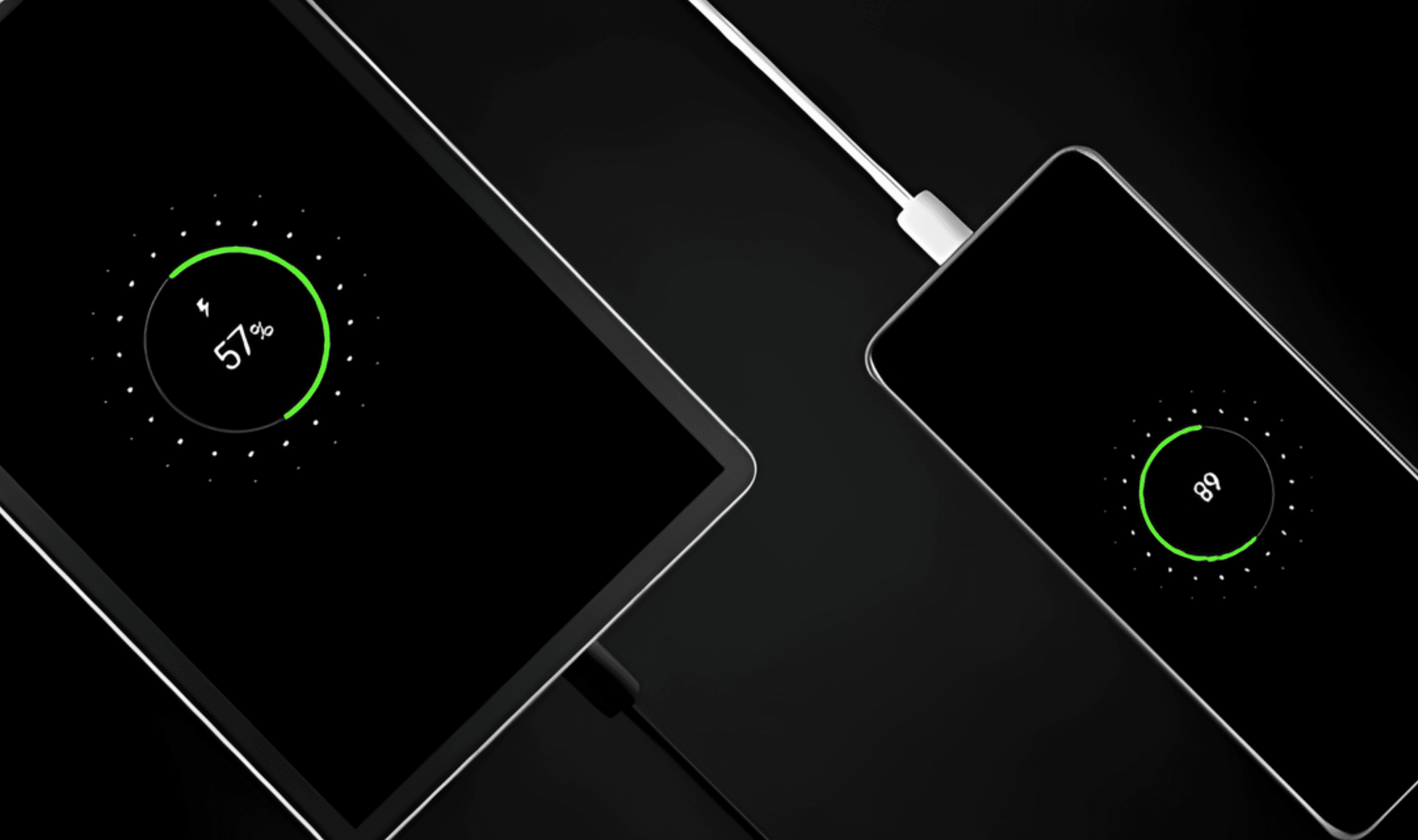
Samsung is testing smartphone batteries up to four times larger than current models while its flagship phones maintain the same capacity they've had for six years. Leaked documents reveal experimental silicon-carbon units reaching 20,000 mAh, though that specific cell failed after just 960 charge cycles.
The company's SDI division is evaluating multiple stacked-cell designs according to documents obtained by tipster @phonefuturist. A 12,000 mAh version uses two cells measuring 9.0mm thick and targets 1,500 charge cycles before dropping to 80% capacity. An 18,000 mAh configuration stacks three cells totaling 12.8mm thick.
These tests come as Chinese competitors already ship phones with silicon-carbon batteries exceeding 7,000 mAh. The Galaxy S26 Ultra launched earlier this year with a 5,000 mAh battery identical to its predecessors dating back to the S21 Ultra in early 2021.
A YouTube demonstration showed how much room exists for expansion. The channel "Strange Parts" replaced the standard 5,600 mAh battery in Samsung's Galaxy Z TriFold with Honor Magic V6 cells, nearly doubling capacity to 9,600 mAh. The project used Honor's "Blade" silicon-carbon technology that debuted at MWC earlier this year.
Samsung confirmed it's investigating silicon-carbon batteries but hasn't completed testing according to regulatory requirements in markets like the United States. The company's SDI division doesn't yet offer suitable silicon-carbon cells for smartphones despite developing them for other applications.
Battery health tracking remains opaque on current devices. While diagnostics screens show "Normal" status and rounded capacity figures like "5,000mAh," actual rated capacity is lower, 4,855mAh on the Galaxy S25 Ultra according to fine print users rarely notice.
A hidden dialer code (*#9900#) reveals real remaining capacity through system logs searched for "mSavedBatteryAsoc." This percentage starts at 100% when new and declines with charge cycles unlike the static display in standard diagnostics. The EU energy-label system rates the Galaxy S25 Ultra at approximately 2,000 cycles before reaching 80% capacity while leaked labels suggest the S26 Ultra targets 1,200 cycles with higher endurance per charge.
Samsung continues prioritizing thin designs over battery expansion according to company statements about avoiding Qi2 magnets in recent flagships. The newly released $65 Magnet Wireless Battery Pack requires a case for attachment since Galaxy S26 devices lack built-in magnetic charging support.
The power bank offers Qi2 certification with up to 15W wireless charging or 25W through USB-C alongside a built-in kickstand. Its design accommodates camera bumps that complicate third-party magnetic accessories.