
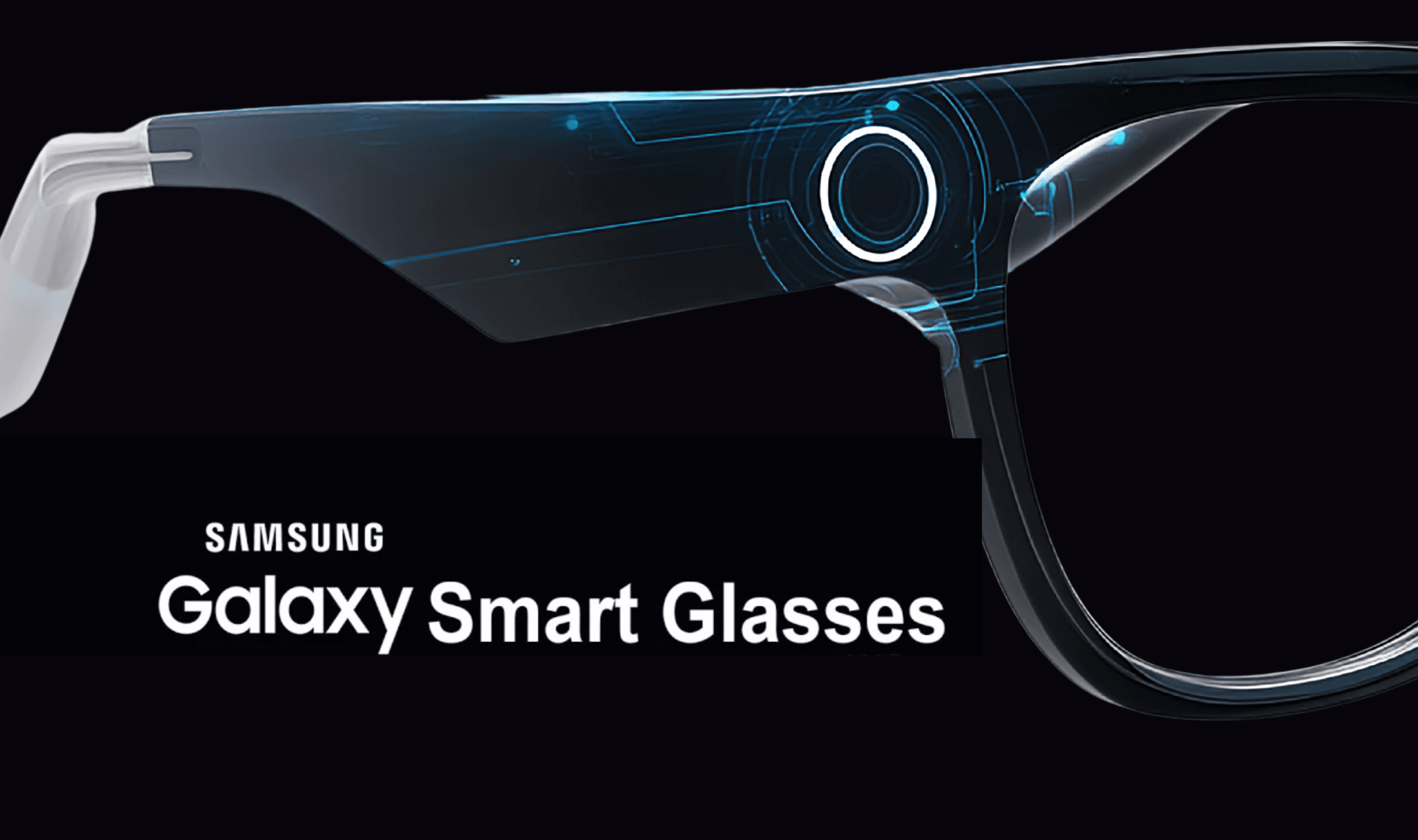
Samsung confirmed its entry into the smart glasses market during a January 28 earnings call, targeting a 2026 launch for AI-powered eyewear. The announcement positions Samsung against Meta's established Ray-Ban smart glasses and aligns with Google's reported plans for audio-only glasses this year.
Seong H. Cho, head of Samsung's mobile marketing division, described the upcoming product as "next-generation AR glasses" delivering "rich, immersive, multimodal AI experiences." Samsung began teasing XR glasses in October 2025 alongside its Galaxy XR headset launch, but smart glasses represent a different category designed for all-day public wear.
Google plans to release its first smart glasses since 2013's Google Glass this year, according to multiple reports. The audio-only design resembles Meta's Ray-Ban glasses, creating a three-way competition between Samsung, Google, and Meta for mainstream adoption.
Apple reportedly targets smart glasses for preview in 2026 with release by 2027, potentially revealing hardware this year. The company shelved plans for a lighter Apple Vision Pro to accelerate smart glasses development, sources indicate.
Samsung's glasses will reportedly feature a 12MP camera, 155mAh battery, and Qualcomm AR1-class chipset optimized for on-glasses photo capture. Google Gemini is expected to power the AI experience, continuing Samsung's pattern of Google AI integration across devices.
The company may launch two distinct models, beginning with a camera-focused design similar to Meta's Ray-Ban glasses followed by a more advanced AR-capable version. Samsung has not specified launch timing within 2026, leaving open possibilities for Galaxy S26 event reveals or standalone announcements.
Meta currently dominates the smart glasses market with Ray-Ban models praised for fashionable design and relative affordability. The company faces a patent infringement lawsuit from Solos, a smart glasses startup founded in 2019, alleging technology theft for Ray-Ban branded products.
Xreal, another smart glasses manufacturer, recently sued competitor Viture over alleged AR patent infringement. These legal battles signal growing competition and perceived market value in the wearable category.
Smaller companies including Xreal, Xgimi, and Mentra plan first-half 2026 releases, creating a crowded field beyond major tech players. The combined activity suggests smart glasses could reach mainstream adoption this year after decades of niche experimentation.
Samsung's confirmation creates direct competition with Apple's reported timeline, setting up potential head-to-head launches in the same cycle. Both companies will emphasize ecosystem integration, with Samsung pushing Android and Gemini while Apple leverages iPhone connectivity and proprietary AI.
Battery life and thermal management remain critical challenges for AI-powered glasses, with rumored 155mAh capacities requiring efficient power optimization. Multimodal AI combining voice, vision, and sensor data presents technical hurdles for real-time processing in lightweight form factors.
The smart glasses market transformation reflects broader industry shifts toward wearable AI assistants and ambient computing. Success will depend on balancing functionality with social acceptability, a lesson learned from Google Glass's 2013 failure.
Samsung's entry validates smart glasses as a strategic category rather than experimental side project. With four major tech companies now committed to 2026 launches, consumer adoption patterns will determine whether smart glasses follow smartwatches into mainstream acceptance or remain specialized tools.