
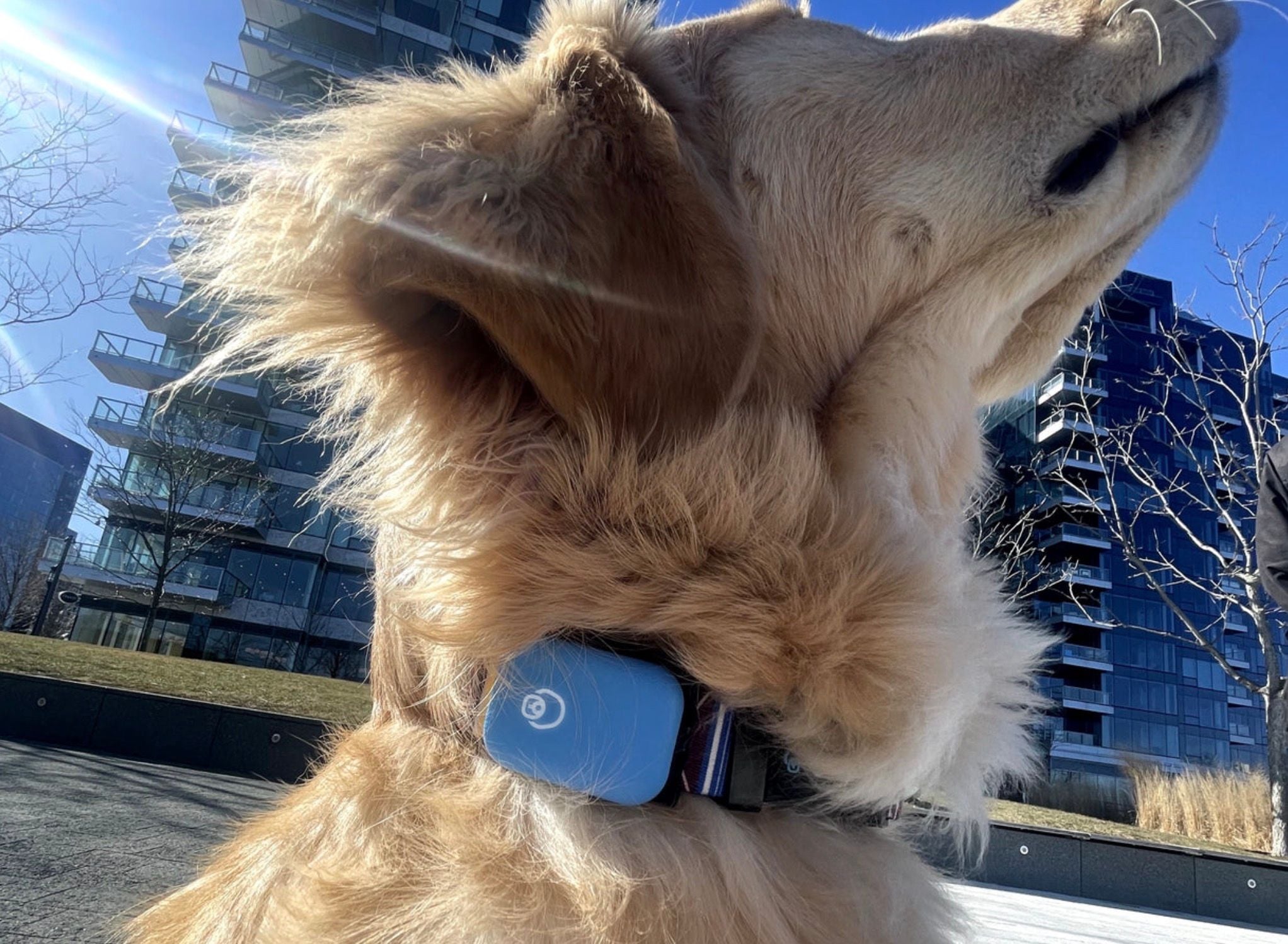
Pet tech company Queva unveiled an AI-driven sleep tracking feature for its Smart Collar at CES 2026 in January. The system monitors canine sleep duration, quality, consistency, and nighttime movement patterns to provide health insights through an easy-to-understand chart.
"Dogs can't tell us when something feels off, but their sleep often does," said Jacob Calderon, founder and CEO of Queva. The collar tracks total sleep duration and deep sleep percentages, analyzing long-term behavioral changes that could indicate underlying health issues.
The pet health tracking market arrives as Americans spent nearly $40 billion on veterinary care and pet pharmaceuticals in 2024. Grand View Research projects the broader sleep and activity monitoring market will reach $58 billion by 2030, up from $30 billion in 2024.
CES 2026 featured multiple sleep-focused innovations beyond pet tech. South Korean brand Ceragem introduced the Neuro Wellness Youth Bed with AI Health Concierge, the first smart mattress specifically designed for adolescent development.
The teen-focused mattress uses light, aroma, sound therapy, and thermal control to support healthy sleep cycles. A patented spinal thermal massage feature activates before sleep to promote physical growth and brain recovery in developing users.
Hong Kong's XSmart Century Technology developed the Sleepal AI Lamp, a contact-free sleep intelligence system that won a CES 2026 Innovation Award. The device combines millimeter-wave radar, thermal and acoustic sensing, and environmental awareness to deliver individual sleep insights.
Seoul-based NeuroTx showcased the WillSleep device, a non-invasive neurostimulation tool that tracks biosignals for personalized stimulation programs. A five-week clinical study showed 82% improvement in sleep quality and 80% reduction in insomnia symptoms among participants.
Wis Medical's Tedream patches offer medical-grade sleep monitoring without adhesive gels, measuring EEG, ECG, EMG, SpO₂, heart rate, respiration rate, snoring, and posture simultaneously. The wireless, reusable sensors promise accurate at-home sleep apnea testing with real-time smartphone reporting.
Infrared sauna therapy has emerged as a popular sleep solution, with Saunatica reporting 40% of clients cite sleep improvement as their primary booking reason. The Costa Mesa studio launched a dedicated Sleep Protocol program scheduling sessions 90 minutes before bedtime.
The physiological mechanism involves core temperature elevation followed by rapid cooling, which triggers melatonin production and natural sleep cascade. A 2019 meta-analysis in Sleep Medicine Reviews found passive body heating 1-2 hours before bedtime improved sleep onset latency and efficiency.
According to the American Sleep Association, 50-70 million U.S. adults suffer from sleep disorders, creating substantial demand for non-pharmaceutical interventions. The global sleep economy reached $585 billion in 2024 as wellness consumers increasingly prioritize sleep quality.
Saunatica's infrared technology operates at 120-140°F compared to traditional saunas' 180°F+, making heat therapy accessible to more users. The studio experienced 25% year-over-year growth attributed to word-of-mouth referrals from clients reporting improved sleep outcomes.
Pet health technology expanded beyond sleep tracking at CES 2026. Petground Co. introduced Fompet for body fat measurement to address pet obesity, while Hubplatform's Peanutcat Egg-1 offers customized feeding for multi-cat households based on individual health profiles.
Garmin rolled out the Blaze Equine Wellness System for horses, featuring optical heart rate sensors that track cardiac activity, strides, gait, and distance in real time. The expansion of biometric monitoring across species reflects growing consumer demand for comprehensive health data.
Queva plans to continue developing its AI sleep analysis capabilities throughout 2026, while Saunatica will partner with sleep tracking technology providers to gather objective measurements of client improvements. Both companies aim to contribute anonymized findings to academic research on sleep quality interventions.