
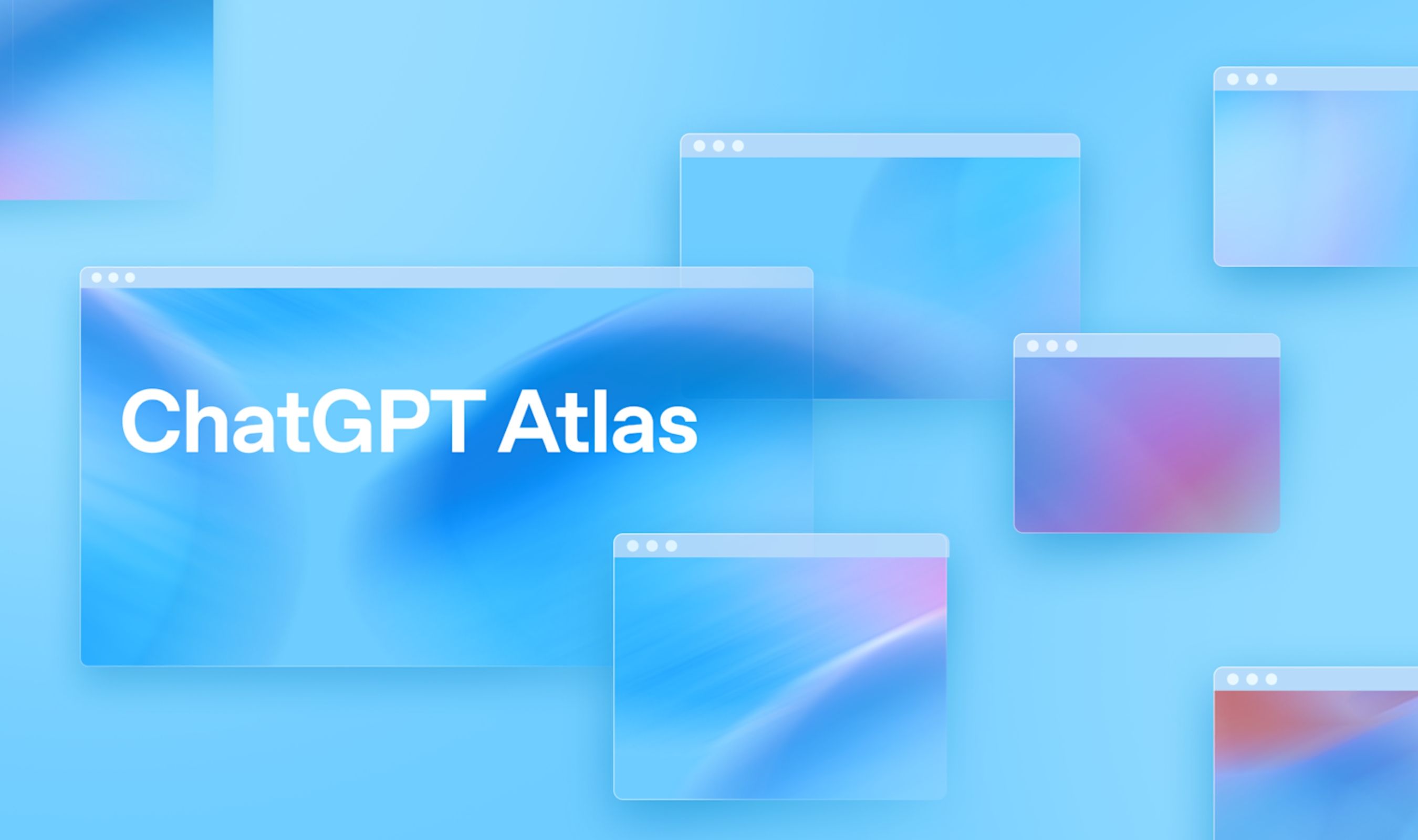
Less than a year after launching ChatGPT Atlas, OpenAI is pulling the plug. The standalone AI browser will be deprecated on August 9, with its agentic browsing capabilities folded into the ChatGPT desktop app and a new Chrome extension.
"We are going to be sunsetting Atlas," OpenAI's James Sun confirmed on X. "All these capabilities were built on what we learned from Atlas users who took a leap of faith on a new browser."
Atlas launched on Mac in October with a simple pitch: "What if you could chat with your web browser?" The answer, OpenAI concluded after a few months of real-world testing, was that users wanted AI browsing without abandoning Chrome. The TechCrunch report frames the strategy shift directly: OpenAI decided the browser is a feature, not the destination.
The new ChatGPT desktop app, released Thursday, bundles browser capabilities, the ChatGPT Work agent, and ChatGPT Codex into a single product. A cloud browser running on OpenAI's servers lets agents complete tasks on behalf of users.
Separately, a ChatGPT extension for Chrome gives the AI access to page context, letting users ask questions, summarize content, and kick off longer tasks without leaving Google's browser. The Chrome extension puts OpenAI in direct competition with Google's Gemini Side Panel, which performs similar functions. The message is clear: OpenAI would rather live inside Chrome than try to kill it.
The shutdown follows a broader cost-cutting push inside OpenAI. Former CEO of applications Fidji Simo had instructed teams to cut back on "side quests," a directive that led to the shuttering of the AI video-generation tool Sora months earlier.
Atlas, less than a year old, was the next project on the chopping block.
OpenAI plans to notify users in-app and via email in the coming days. The current deprecation target is August 9.