
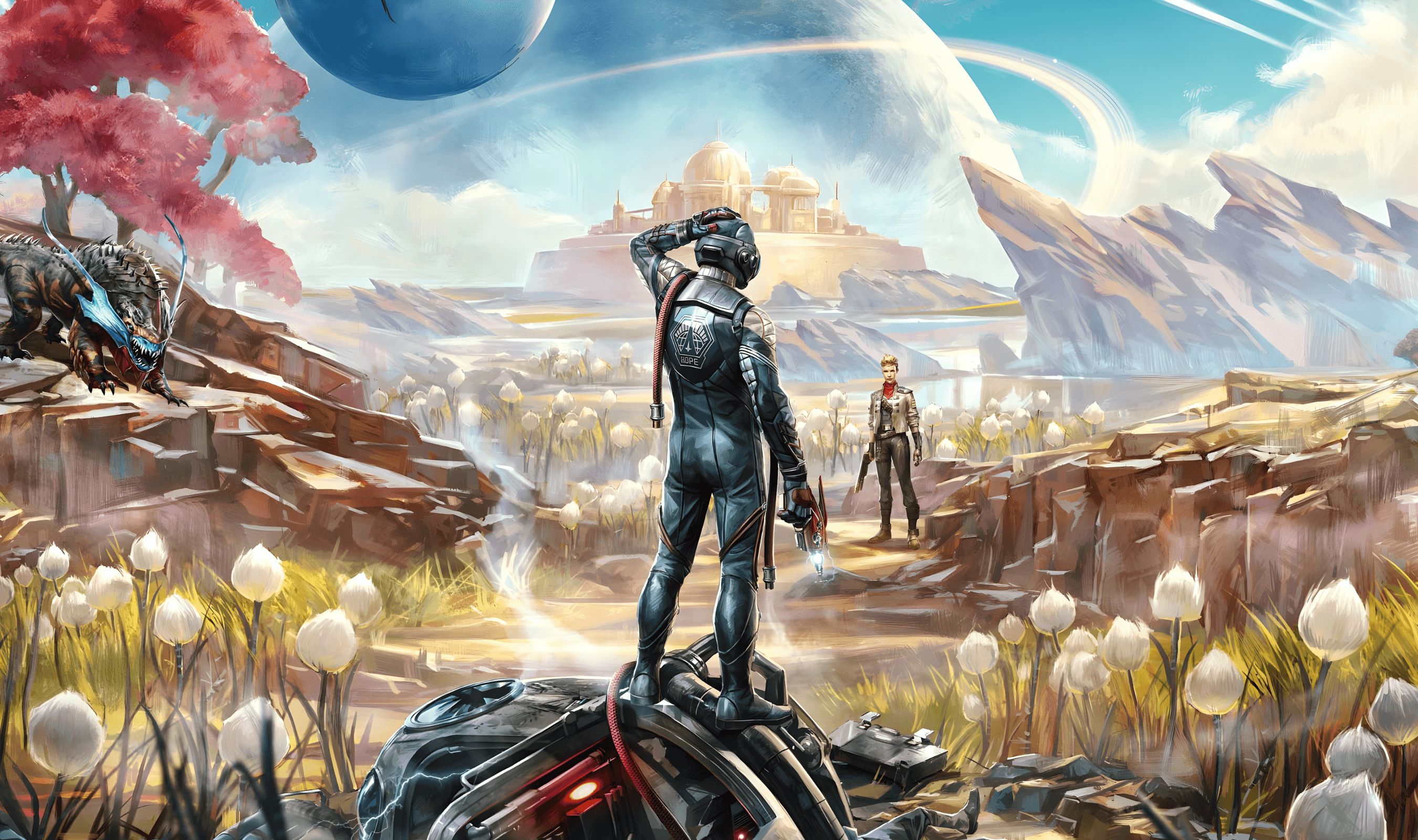
Obsidian Entertainment is not currently developing The Outer Worlds 3, Bloomberg reported February 3. The studio's 2025 release schedule included three titles, with only Grounded 2 meeting sales expectations.
Microsoft's initial $80 price tag for The Outer Worlds 2 killed early hype despite a later reduction to $70, fans argue. The pricing controversy dominated headlines before the game's launch, creating negative first impressions that persisted through release.
"Capitalism was the true villain all along," as fans noted online, highlighting the irony for a series that critiques corporate excess.
The Outer Worlds 2 tells stories of people caught in megacorporation conflicts while Microsoft attempted to establish an $80 standard price point.
Obsidian released Grounded 2 in early access, followed by The Outer Worlds 2 and Avowed during 2025. All three games faced protracted development cycles, but only the bug-infested survival title Grounded 2 achieved commercial success according to Bloomberg's report. Avowed also missed its sales targets, with studio head Feargus Urquhart telling Bloomberg: "They're not disasters," but acknowledging both RPGs fell short of expectations.
Fans cite multiple factors for The Outer Worlds 2's underperformance beyond pricing. The game arrived during a competitive RPG year that included Clair Obscur: Expedition 33, which earned a 91 on Metacritic and set higher standards for character development and storytelling.
"After two mid games in a row, negative sentiment unfairly fell on TOW2 when it is a genuinely good game," one Reddit user wrote.
Others noted that Baldur's Gate 3 raised expectations for companion interactions and player agency that The Outer Worlds 2 couldn't match.
Microsoft reportedly pressured Xbox Game Studios to achieve 30% profit margins, with CFO Amy Hood setting aggressive financial targets. The company denied these claims, but Urquhart's comments to Bloomberg suggest otherwise.
Xbox studios released cross-platform PlayStation 5 titles to meet these financial goals, according to separate reports. The strategy reflects broader industry shifts as publishers seek revenue beyond traditional console exclusivity.
IGN's The Outer Worlds 2 review scored the game 8/10, praising improved combat and smarter writing after a weak opening act. The publication called it "another strong refinement" of Obsidian's RPG formula rather than a revolutionary entry.
Fans expressed frustration with content expectations after the first game's limited scope. "Given the increased resources and development time that went into OW2, we expected to have a lot more content than OW," one player wrote. "The obvious 'business decisions' that led to chopped content sucked to see."
The Outer Worlds 2's $80 pricing attempt represented Microsoft's first move toward a new premium price tier. Backtracking to $70 came "too little too late" according to community feedback, with many players opting for Game Pass access instead of direct purchases.
Obsidian now focuses on the Avowed universe for future projects while The Outer Worlds franchise remains dormant. The studio aims to trim development cycles and improve efficiency through outsourcing and technology reuse, Urquhart told Bloomberg.
Industry analysts note the broader implications for AAA pricing strategies. Microsoft's failed $80 experiment demonstrates consumer resistance to premium pricing during economic uncertainty, particularly for franchises without established blockbuster status.
The Outer Worlds 2's commercial performance reflects changing RPG market dynamics. Players now compare new releases against genre-defining titles like Baldur's Gate 3, creating higher expectations for narrative depth and mechanical innovation.
Microsoft's gaming division faces continued pressure to deliver profitability after massive studio acquisitions. The company's approach to pricing and release strategies will likely evolve following The Outer Worlds 2's reception and sales data.
For now, fans of Obsidian's spacefaring RPG must accept that their journey through the Halcyon colony system has reached its conclusion. The series' critique of corporate capitalism ultimately collided with Microsoft's own business realities in what players call a fittingly ironic finale.