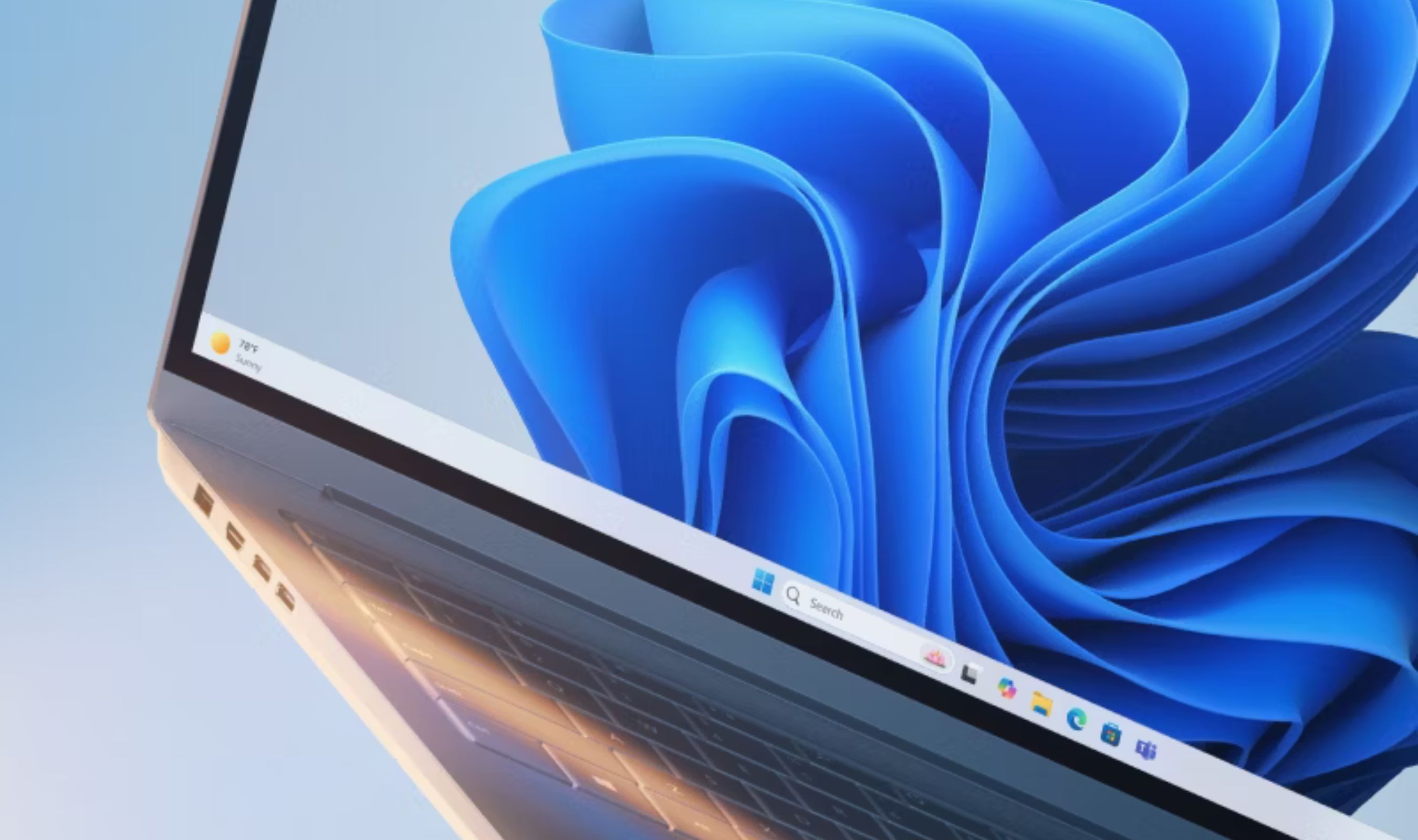
After years of cramming Bing ads, MSN trivia tiles, and game recommendations into the taskbar search box, Microsoft is finally letting users turn them off.
The company began rolling out a redesigned Windows Search to Insiders in the Experimental channel on July 13, and the headline feature is something users have demanded for years: straightforward toggles to kill web and Microsoft Store suggestions.
Jeff Petty and Anderson Aiziro of Microsoft's Windows and Bing Search teams announced the changes in a blog post, framing them as a response to complaints that search felt slow, noisy, and disconnected from what users actually want to find on their PCs. The update arrives via a Controlled Feature Rollout, so not every Insider sees it immediately, though a reboot can trigger the download.
Two toggles, no registry hacks
The most significant addition sits under Settings > Privacy & security > Search. Two new switches, one labeled "Search suggestions and results from the web," the other "Search suggestions and results from Microsoft Store", let users cut off those categories entirely.
Flipping both off turns the search box into a pure local file and app launcher, similar to Apple's Spotlight. This is the first time Microsoft has placed such granular control inside the Settings app for general users.
Previously, blocking web results required registry edits (DisableSearchBoxSuggestions) or group policy objects reserved for enterprise editions. The new toggles eliminate that workaround for anyone willing to run Experimental channel builds.
Ads stripped from web results
Promotional content is gone from web results inside Search. In the current version of Windows 11, searching something like a workout plan surfaces sponsored shopping tiles and prices. The updated version jumps straight to the relevant answer with source links, skipping the ads entirely.
The search home screen itself has been cleaned up. Gone are the image-of-the-day tiles, daily quizzes, trending searches, top apps, and game recommendations that previously padded the panel.
Instead, Search leads with recent searches and nothing else. Those tiles were web-based elements piped in from Bing that consumed RAM without offering local value, as noted in early testing of the overhaul back in June.
Local results finally win
Microsoft reworked the ranking algorithm so apps, settings, and files appear ahead of web and Store suggestions when they are the stronger match. Searching "install" now points to the Installed apps Settings page rather than a support article about installing something.
Typo tolerance has expanded too: typing "utlook" surfaces the Outlook app instead of a Bing search for the misspelled word, and "pwerp" finds PowerPoint.
File search now supports two-character queries instead of the previous three-character minimum, and substring matching lets users pull up a file named StartMenuComparisonMay by typing "menu" or "may." Cloud and connected files from OneDrive or linked accounts can appear alongside local results when they are the better match.
Every search result now carries a label showing its origin, app, setting, file, web, or Store suggestion, so users know what they are clicking before they click. Supported files get a larger preview pane with file type, path, and last modified date.
Still experimental, but promising
Microsoft has not announced a target date for Beta, Release Preview, or the mainstream Windows 11 release. The Experimental channel, introduced in early 2026 after Microsoft merged the former Dev and Canary channels, is designed for work that may never reach general availability. But the overwhelming user demand for this specific change makes it a strong candidate for eventual inclusion.
For Insiders who want to test it now, the feature flags page at Settings > Windows Update > Windows Insider Program > Feature flags offers manual toggles for "Refined Windows Search," "Searchable System Components," and "Short Query File Search support." Set them to Enabled, apply changes, and restart.
Microsoft also said search reliability has improved, with fewer crashes and loading issues since the Experimental channel rollout began on July 13.