
Apple's macOS 27 beta is building touch-friendly interfaces directly into the operating system, the strongest signal yet that the company is abandoning a hardware philosophy Steve Jobs established 16 years ago. The developer beta of macOS 27 Golden Gate, released this week, includes direct touch support in Sidecar, letting users tap and interact with macOS elements using a finger on a connected iPad rather than a mouse or trackpad. Pull-to-refresh gestures have also appeared across first-party apps including Safari, Mail, News, and Podcasts, according to MacRumors.
These features arrive alongside a new Siri-powered "Search or Ask" interface designed as a dark, pill-shaped element that could naturally pair with a Dynamic Island-style cutout on a future MacBook display. The software evidence is being matched by unusually bold claims from the supply chain.
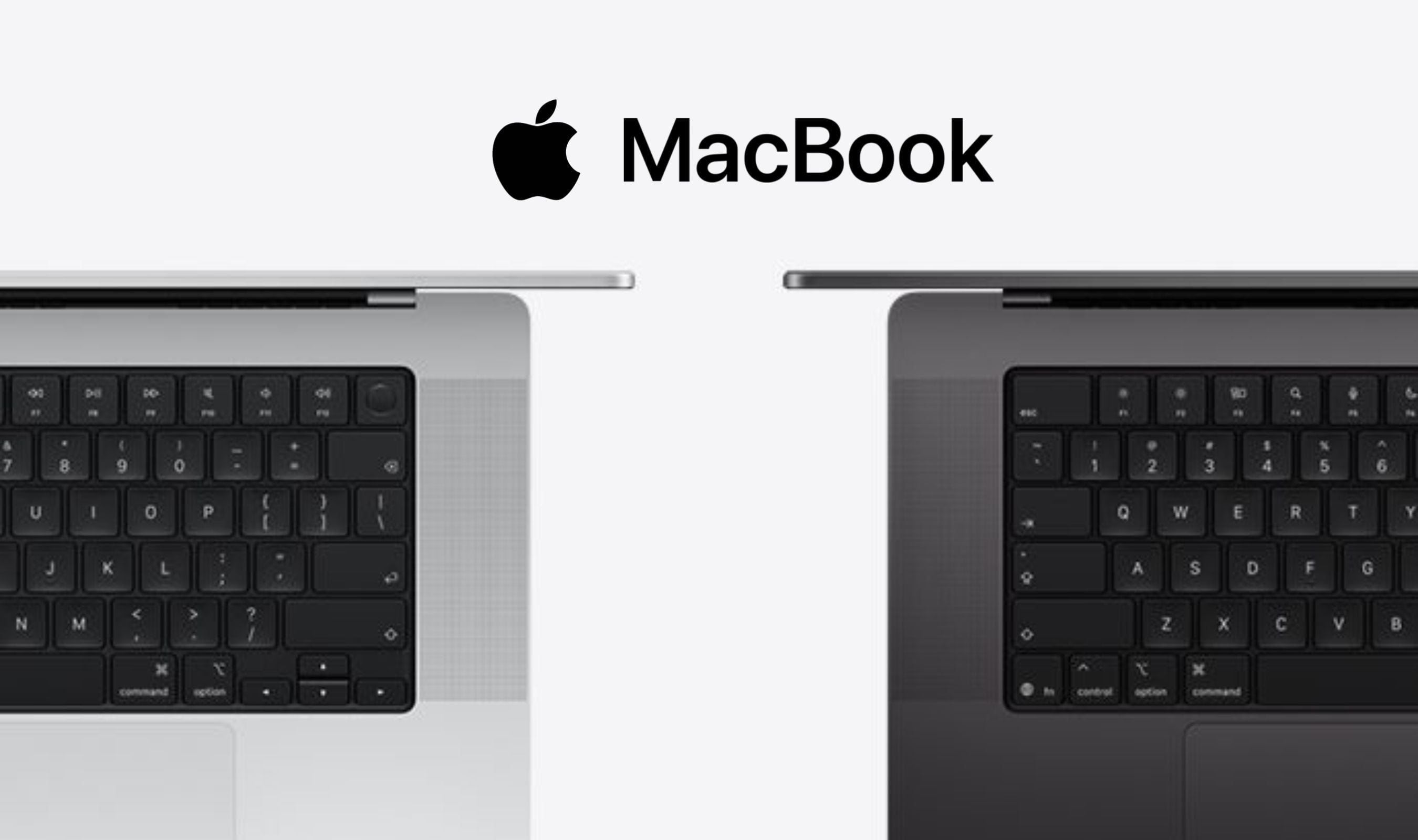
Chinese leaker Instant Digital posted on Weibo Thursday that "it's 100% confirmed that the MacBook screen will be touch-enabled," translated from Chinese. The leaker, who has a track record of accurate supply chain information, did not specify which MacBook model but previous reports consistently point to the MacBook Ultra.
Research firm Omdia predicts the MacBook Ultra will launch in the third quarter of this year, while analysts Ming-Chi Kuo and Bloomberg's Mark Gurman expect touchscreen Macs by late 2026 or early 2027. Kuo said in September 2025 that the first touchscreen OLED MacBook Pro would enter mass production in 2026.
Gurman has repeatedly stated the next 14-inch and 16-inch MacBook Pro models will include touch support, though a global memory chip shortage could push the timeline to 2027.
Supply chain sources indicate Samsung Display could begin shipping OLED panels for the device as soon as this month, with production clearing a key hurdle in May. The rumored MacBook Ultra is expected to pack M6 Pro and M6 Max chips, an OLED display, a thinner chassis, and a Dynamic Island or punch-hole camera design. Pricing estimates suggest a roughly 20% increase over current MacBook Pro models.
Apple has long resisted touchscreen Macs. Steve Jobs argued in 2010 that "touch surfaces don't want to be vertical," citing arm fatigue from reaching up to a screen. In 2021, hardware engineering chief John Ternus, now Apple's incoming CEO, said the Mac was "totally optimized for indirect input" and the company saw no reason to change that approach.
Gurman has reported that Apple will not market the device as touch-first like the iPad, but rather as "touch-friendly, not touch-first," letting users switch between touch and mouse input interchangeably.
macOS 27 is currently available in developer beta, with a public beta expected in July and a full release in September. Whether the hardware arrives this year or next, Apple's operating system is already preparing for a future where Mac screens respond to fingertips.