
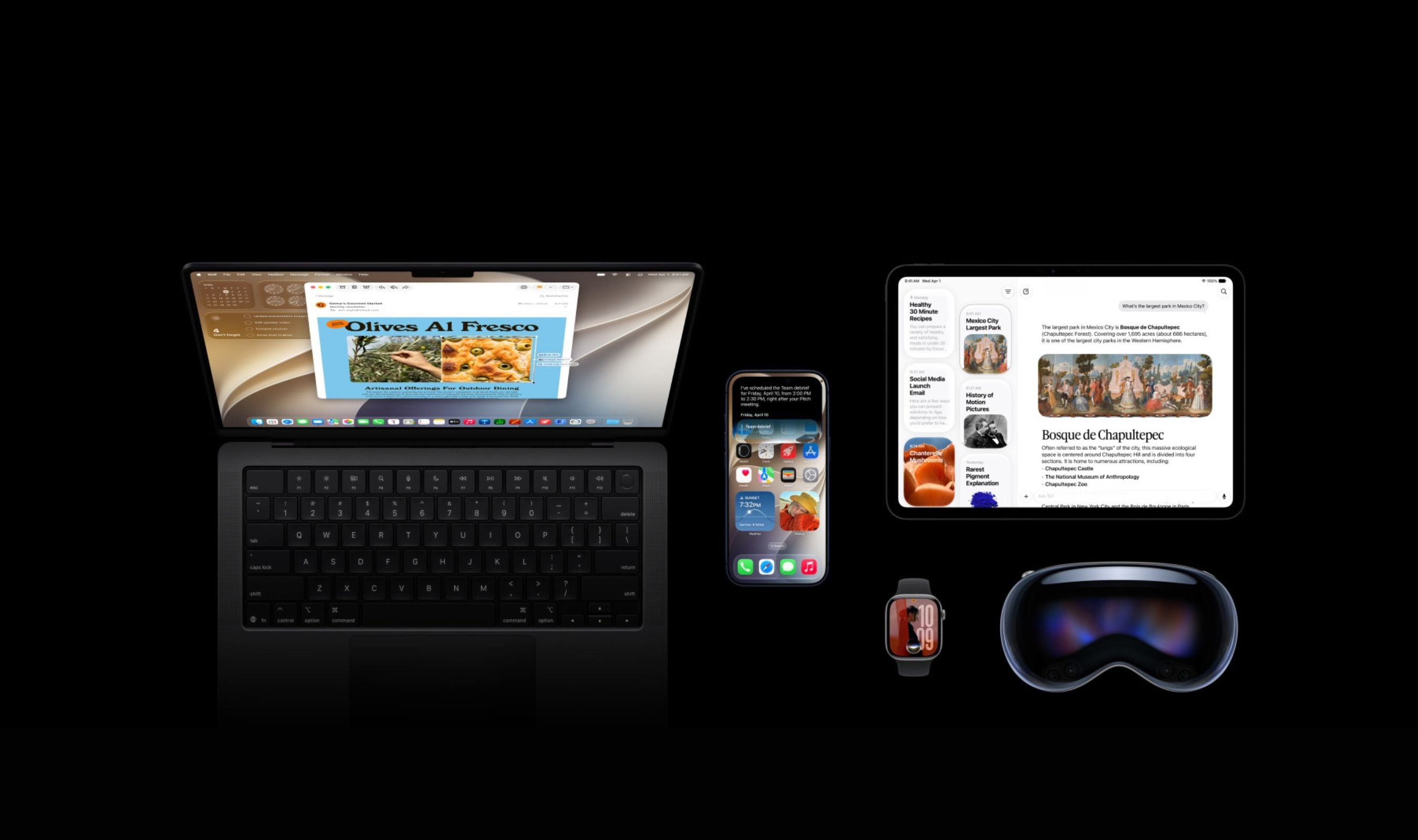
Intel Macs officially hit end of the line with macOS 27 Golden Gate Apple confirmed this week that macOS 27 Golden Gate will only run on Apple silicon Macs, ending software support for the final Intel-based machines still clinging to life. The update, unveiled Monday at WWDC 2026 and expected for wide release in September, marks the first macOS release to require an M-series chip or the A18 Pro powering the new MacBook Neo.
Four Intel models that can run macOS 26 Tahoe will be stranded on that version: the 13-inch MacBook Pro (2020, Four Thunderbolt 3 Ports), 16-inch MacBook Pro (2019), 27-inch iMac (2020), and Mac Pro (2019). Apple said those machines will receive security updates for three more years.
MacOS 27 will still run Intel apps through Rosetta, but this is the last major release to include the full translation layer. Apple plans to keep a subset of Rosetta functionality beyond macOS 27 solely for older, unmaintained gaming titles that rely on Intel-based frameworks.
The operating system's AI features, including the overhauled Siri powered by Google Gemini, will require on-device processing that only Apple silicon can handle. Apple's software chief Craig Federighi said the company's AI models run locally on the highest-performing recent hardware, with cloud requests handled through secure servers.
This was also Tim Cook's final WWDC keynote as CEO. Cook, who announced in April he will become executive chairman September 1, did not feature incoming CEO John Ternus, currently senior vice president of hardware engineering, who was present at the event but did not appear during the keynote presentation.
"I still believe the best is yet ahead," Cook said during his farewell.
Apple's software updates across the board are getting performance promises that lean heavily on the M-series architecture. The company claims new photos will appear 70% faster, AirDrop transfers will be 80% quicker, and CPU schedulers will improve multitasking.
iOS 27 will support all devices from the iPhone 11 onward, which Apple called "available to more users than any iOS release ever." The transition closes a chapter that began in 2020 when Apple announced its shift from Intel processors. Five years later, every Mac sold today runs on Apple silicon, and the software is finally catching up to the hardware reality.