
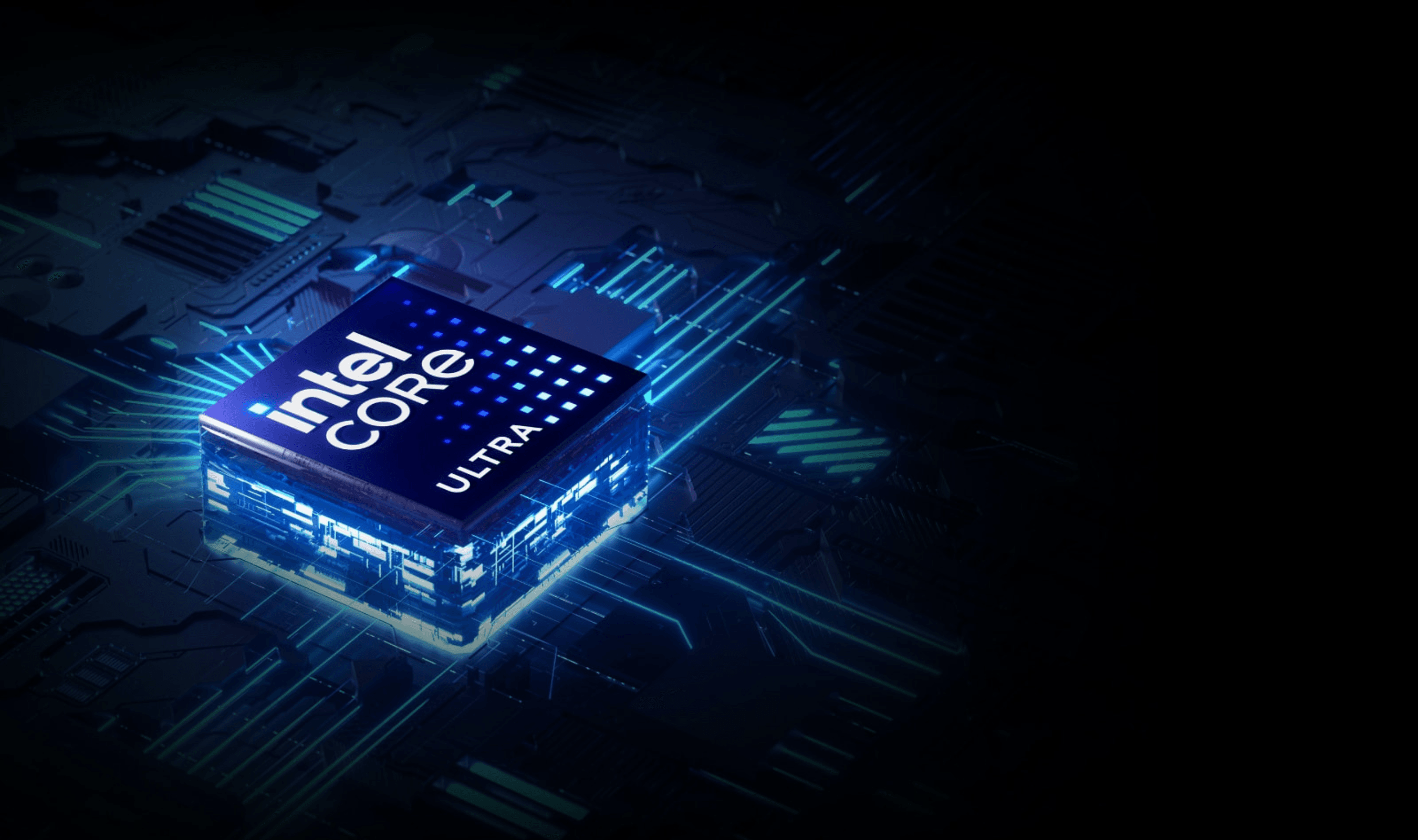
Intel CEO Lip-Bu Tan (also known as Chen Liwu) warned that Huawei can rebuild its strong chip technology capabilities if the United States does not remain careful. The executive made the comments while announcing Intel's yearly financial performance earlier this month.
Chen expressed surprise at Huawei's strong chip capabilities despite five years of tough US restrictions. He said the Chinese tech giant is quietly working to revive capabilities that have been missing since sanctions began.
"If the United States is not careful, Chinese tech companies like Huawei may achieve leapfrog development in the chipset industry in the upcoming years," Chen said.
He noted Huawei has more than 100 top-talented CPU architects working despite ongoing tech tensions.
The Intel CEO praised Huawei's "open-source" approach in technology development. He cautioned this strategy could disadvantage the US in certain prime areas while helping China advance.
Huawei's chip development comes amid continued US sanctions that have reshaped global semiconductor relationships. Before sanctions, Huawei purchased about $10 billion worth of chips annually from Samsung and SK hynix, according to a company official speaking in December 2024.
"Since we cannot procure from outside, we have no choice but to source domestically," the Huawei official told Korean reporters.
The company has established multiple R&D centers globally, including facilities in France for art research and Russia for mathematical technologies.
Chen highlighted that Huawei's architects cannot obtain advanced design software from European and American companies like Synopsys. However, he said they can bypass restrictions to build previously lacking capabilities.
The comments come as Huawei prepares for a major product launch event in Madrid on February 26. The company confirmed an " Product Launch" that industry observers expect will feature new smartwatches.
Huawei announced a partnership with marathon icon Eliud Kipchoge's dsm-firmenich Running Team on January 5. The collaboration aims to promote running culture worldwide while providing insights for smartwatch development.
In the running domain alone, Huawei has worked with over 100 runners for extensive long-term testing. The company achieved an accuracy rate greater than 97% in predicting race results, according to partnership announcements.
The upcoming Madrid event will likely showcase the Huawei Watch GT Runner 2, a refresh of the 2021 model. Rumors also suggest potential smartphone announcements and a new Kirin 8030 chipset for mid-range Nova phones.
Huawei's R&D center in Shanghai's Pudong District employs over 20,000 people focused on smartphones, smart driving technologies, and wireless mobile internet. The company plans to move to a new facility in Qingpu District beginning operations in March.
Chen's warning about Huawei's chip capabilities follows similar concerns from other industry leaders. NVIDIA has previously called Huawei a super-strong rival in the chip technology market.
The Intel CEO also mentioned DeepSeek, which appeared in China as what he called "a wake-up call." He said the AI model showed true performance last year and shocked the world with its creations.
Huawei currently employs 207,000 people and operates in over 170 countries and regions. The company continues expanding its 5.5G services and AI-powered devices despite ongoing trade restrictions.
Chen concluded that Huawei's quiet capability building represents a challenge for US semiconductor leadership. He emphasized the need for continued vigilance in technology policy and development.