
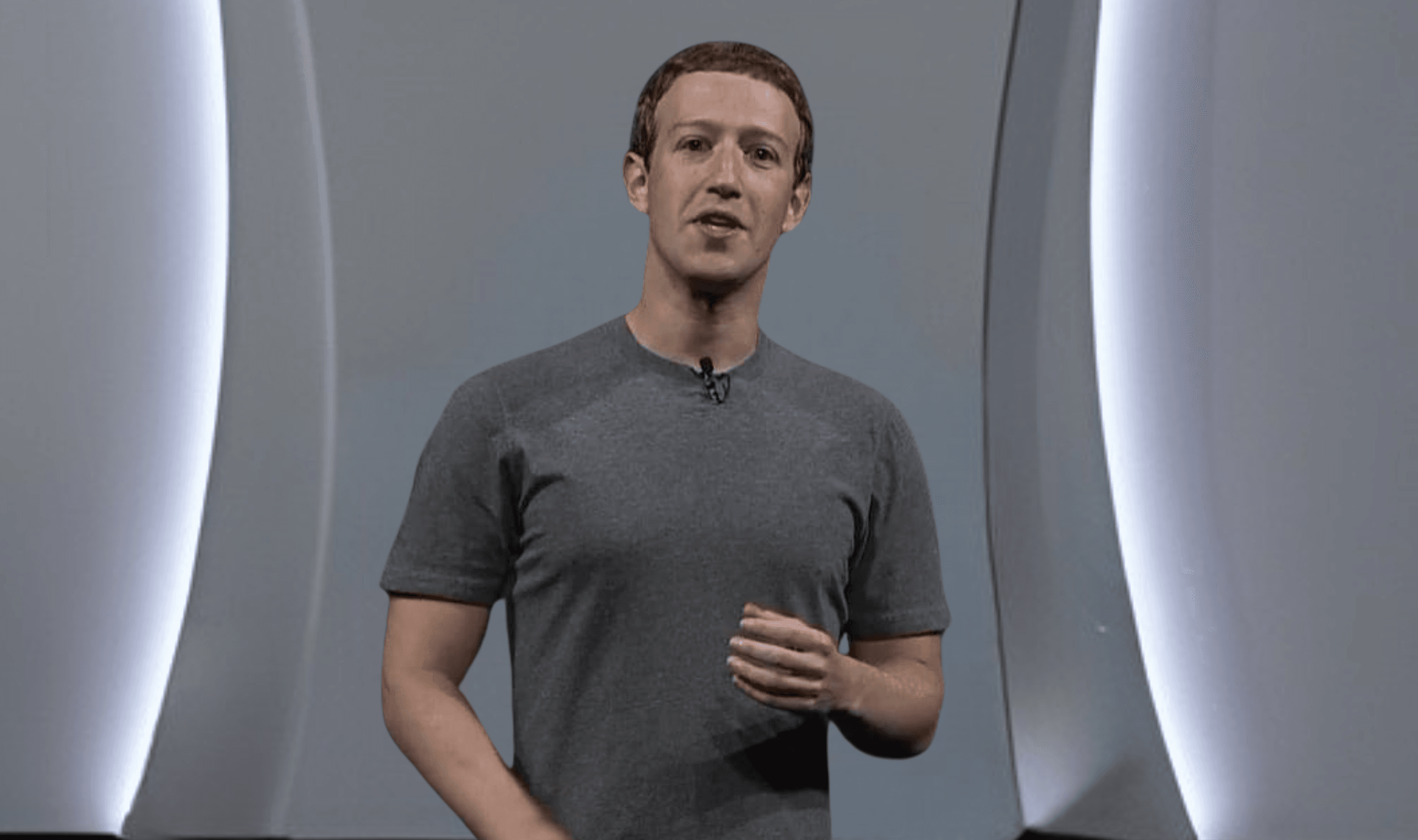
Meta CEO Mark Zuckerberg questioned the company's extensive safety research investments in a 2021 internal email, suggesting competitors like Apple avoid scrutiny by conducting fewer studies. The email, unsealed this week as part of a New Mexico lawsuit, reveals Zuckerberg's frustration that Meta's transparency creates legal exposure while rivals face less criticism.
Zuckerberg sent the confidential message to top executives including then-COO Sheryl Sandberg and head of global affairs Nick Clegg on September 15, 2021. The timing followed a Wall Street Journal report detailing Meta's internal research showing Instagram worsened body image issues for 32% of teen girls who already felt bad about their bodies.
"Recent events have made me consider whether we should change our approach to research and analytics around social issues," Zuckerberg wrote in the email marked "privileged and confidential."
He specifically cited Apple's approach as a model, noting the iPhone maker "doesn't seem to study any of this stuff" and lacks content moderation staff for iMessage.
The CEO argued that Apple's hands-off strategy has "worked surprisingly well for them" by avoiding the scrutiny Meta faces. He observed that when Apple attempted to implement child safety measures in 2021, including scanning iCloud photos for abuse material, privacy advocates criticized the move and the company later shelved the plans.
New Mexico Attorney General Raúl Torrez unsealed the email as evidence in a lawsuit alleging Meta deceptively positioned its platforms as safe for teenagers while aware of harmful design choices. The state's investigation, dubbed Operation MetaPhile, resulted in three arrests of men charged with sexually preying on children through Meta platforms.
Internal Meta documents estimate approximately 100,000 children on Facebook and Instagram experience online sexual harassment daily. These figures form a central part of New Mexico's case that Meta knew its platforms were unsafe for children despite public safety claims.
Opening statements in the New Mexico trial begin February 9, with proceedings expected to last seven weeks. Similar cases against Meta are pending in California, creating multi-front legal exposure for the company.
Zuckerberg's email reveals what industry observers call the "transparency paradox." Companies that study their platforms' societal impacts face greater legal exposure than those who remain deliberately ignorant. Meta's extensive research has provided prosecutors with detailed evidence of internal knowledge about platform harms.
In the email thread, other Meta executives defended continuing research despite the risks. Former VP of Central Products Javier Olivan acknowledged that "leaks suck, and will continue to happen" but concluded understanding platform impacts remained "the responsible thing to do." David Ginsberg, then VP of product, choice, and competition, added the work was essential for building better products.
Despite these internal defenses, Meta announced a reorganization of its research department in December 2021, ahead of Instagram head Adam Mosseri's congressional testimony. The company centralized teams working on sensitive topics rather than dismantling them entirely.
Zuckerberg also criticized YouTube, X (formerly Twitter), and Snap for taking what he called a "low-profile" approach to researching platform harms. He suggested these companies either intentionally avoid studies or lack resources for extensive research, creating what he viewed as a competitive disadvantage for Meta.
The CEO expressed frustration that Meta's more aggressive reporting of child sexual abuse material makes the company appear worse by comparison, even if the behavior isn't necessarily more prevalent on its platforms.
"When Apple did try to do something about CSAM, they were roundly criticized for it," Zuckerberg wrote, referencing the 2021 controversy.
Meta spokesperson Andy Stone said the company "is proud of our continued commitment to doing transparent, industry-leading research." He noted Meta has used research insights to introduce measures like teen accounts with built-in protections and parental controls.
The legal market for social media platforms is shifting. In June 2024, a court denied Meta's attempt to invoke Section 230 protections in the New Mexico case because the lawsuit focuses on product design rather than content moderation. This ruling allows claims to proceed on grounds that Meta knowingly designed features to increase engagement among teenagers while aware of the harms.
Sacha Haworth, Executive Director of the Tech Oversight Project, described the upcoming trials as "the trials of a generation." She compared them to courtroom battles that held tobacco and pharmaceutical companies accountable, noting "we will for the first time see big tech CEOs take the stand."
Zuckerberg closed his 2021 email by suggesting repeated leaks may explain why other tech companies avoid deep internal research into social harms.
"This may be part of why the rest of the industry has chosen a different approach towards these issues," he wrote.
As Meta prepares for courtroom battles across multiple states, the unsealed email captures a fundamental tension facing social media companies. Documenting platform harms creates accountability but also provides evidence for lawsuits, while competitors who avoid such transparency face less legal scrutiny.
The outcome will directly influence how technology companies approach research transparency, determining if documenting harms becomes a legal liability or a demonstration of good-faith effort. For families whose children experienced harassment on Meta's platforms, the lawsuit tests whether internal research creates accountability.
The email at the center of the case was sent by Zuckerberg to top executives on September 15, 2021.