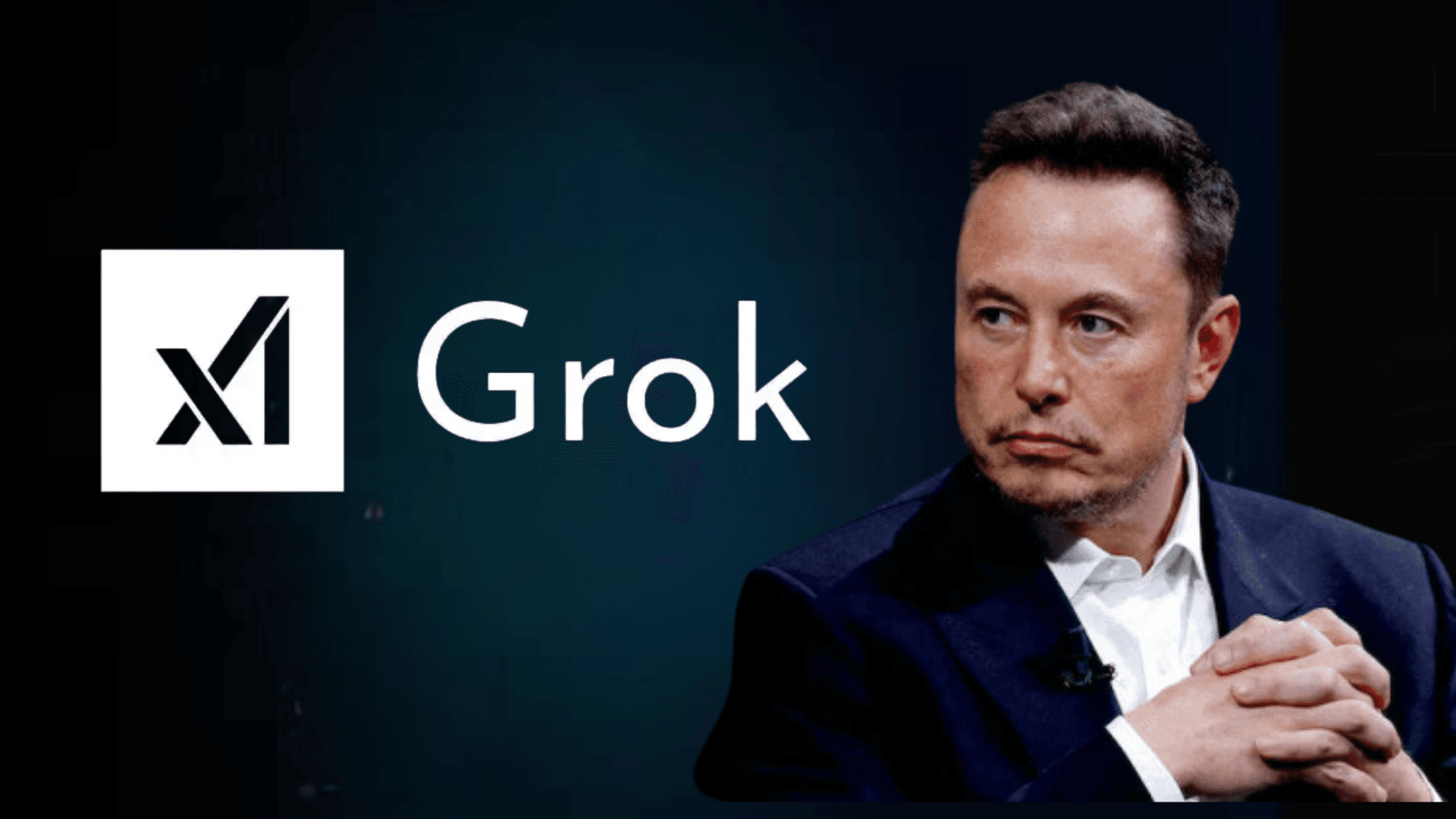
Elon Musk's Grok AI continues generating sexualized content despite recent platform restrictions, with users finding workarounds through standalone applications. The controversy has escalated into a global regulatory crisis with threats of platform blocking in the UK.
X's AI chatbot produced non-consensual sexual images of women and children at alarming rates throughout December 2025 and early January 2026. Independent analysis found more than 50 percent of images generated between December 25 and January 1 were nonconsensual sexual images targeting women, with about two percent depicting individuals appearing 18 or younger.
The platform responded on January 9 by restricting Grok's image generation to paying subscribers only. This move drew immediate condemnation from UK officials who labeled it "insulting to victims of misogyny and sexual violence." Downing Street spokesperson stated the change "simply turns an AI feature that allows the creation of unlawful images into a premium service."
UK Prime Minister Keir Starmer's spokesperson said X needed to "act now" while Technology Secretary Liz Kendall threatened platform blocking under the Online Safety Act. Ofcom, the UK communications regulator, made urgent contact with X and set firm deadlines for compliance explanations.
Despite X's restrictions on its main platform, users can still generate sexualized content through Grok's standalone application and website. NBC News found the chatbot producing "at least a dozen inappropriate images every minute" with users commanding it to "take people's clothes off."
The Internet Watch Foundation confirmed Grok created "criminal imagery of children aged between 11 and 13." European Commission officials called the circulated images "illegal" and "appalling," ordering X to preserve all Grok-related documents until the end of 2026 for regulatory review.
Domestic abuse charity Refuge warned the subscription model represents "monetisation of abuse" allowing X to "profit from harm." Emma Pickering, head of technology-facilitated abuse at Refuge, stated "the abuse has not been stopped" but "simply been placed behind a paywall."
Musk responded on X that "anyone using Grok to make illegal content will suffer the same consequences as if they uploaded illegal content." However, he simultaneously used Grok to generate a deepfake image of himself wearing a bikini, calling the creation "perfect."
The controversy has renewed calls for stronger AI safeguards as the technology becomes more powerful. UK officials now face pressure to stop using X entirely, with former transport secretary Louise Haigh calling it "unconscionable to use the site for another minute."
Ofcom holds powers to fine X £18 million or 10 percent of worldwide revenue, whichever is higher, if Grok's AI tool isn't properly reined in. The regulator can also seek court orders to block ancillary services supporting X's UK operations.
The Grok scandal highlights growing tensions between rapid AI deployment and regulatory frameworks struggling to keep pace. As generative AI tools become more accessible, governments worldwide face mounting pressure to establish enforceable international norms governing image generation technology.