
Google confirmed this week that Android's Quick Share-AirDrop interoperability will expand beyond Pixel 10 devices to more Android phones in 2026. The company plans to bring the cross-platform file sharing feature to third-party manufacturers, potentially reaching hundreds of millions of additional devices.
Eric Kay, Android's vice president of engineering, revealed the expansion during a press briefing at Google's Taipei offices.
"Now that we've proven it out, we're working with our partners to expand it into the rest of the ecosystem," Kay told Android Authority. "You should see some exciting announcements coming very soon."
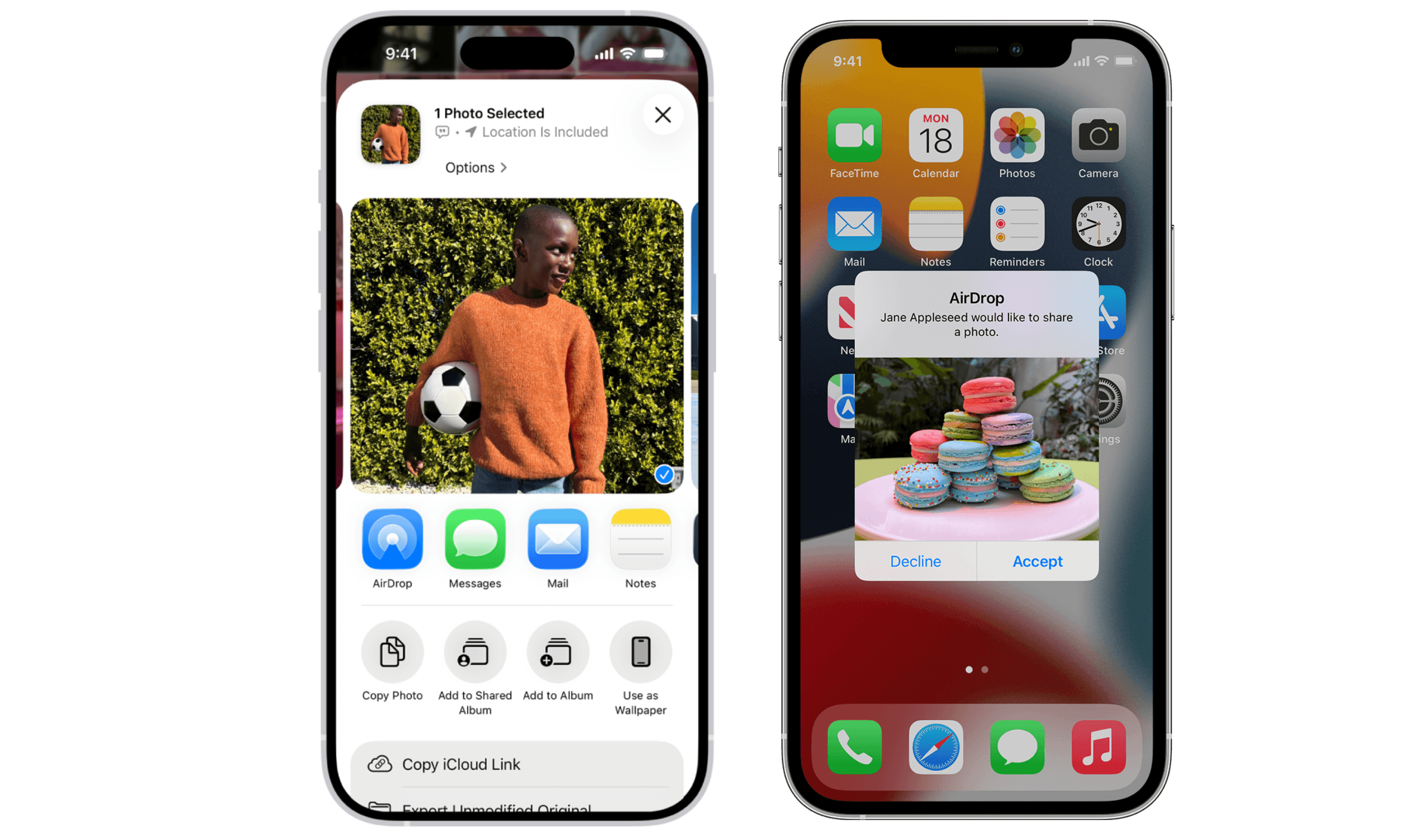
Google first introduced two-way AirDrop support for Pixel 10 devices in November 2025. The feature allows Android phones to communicate directly with Apple's proprietary wireless transfer protocol through Quick Share, Android's answer to AirDrop previously known as Nearby Share. Pixel 10 users can currently send and receive files with iPhones, iPads, and MacBooks.
The expansion marks a significant shift in Google's strategy to break down barriers between iOS and Android ecosystems. Recent iOS-Android interoperability issues highlight the challenges of cross-platform compatibility.
While the company hasn't named specific manufacturers yet, industry sources suggest Samsung, OnePlus, and Motorola devices may be among the first to receive the compatibility update. Nothing and Qualcomm have already teased upcoming Quick Share compatibility.
For the feature to work, Apple device owners must set their devices to be discoverable by everyone, which allows them to appear on Android users' Quick Share options. Recent iOS updates have included refinements to AirDrop functionality.
Android users need to adjust their Quick Share visibility settings to "Everyone for 10 minutes" or be in Receive mode on the Quick Share page to receive content from Apple devices.
Google built the interoperability with security as a core focus, using the memory-safe Rust programming language to create a secure implementation. The company emphasized that the connection is direct and peer-to-peer, with data never routed through servers or logged.
The move comes as Google and Apple jointly work on improved data transfer protocols for platform switchers. Testing for broader compatibility was spotted in Android Canary builds last December, indicating the expansion has been in development for months.
Industry analysts view the expansion as Google's attempt to target one of Apple's biggest lock-in advantages. By making cross-platform file sharing seamless, Google aims to make switching from iPhone to Android easier for consumers.
The company is reportedly working on additional data transfer tools to simplify the migration process for users considering platform switches.
No specific timeline has been announced beyond "very soon," but sources indicate the rollout could begin within the first half of 2026. The expansion will cover both Google's Tensor-powered Pixel smartphones and Qualcomm-powered devices, representing the majority of the Android ecosystem.
Google's decision to open AirDrop compatibility to third-party manufacturers represents a rare moment of détente in the decades-long iOS-Android rivalry. The move could fundamentally change how billions of people share files across the platform divide, potentially erasing one of the remaining barriers between the two mobile ecosystems.