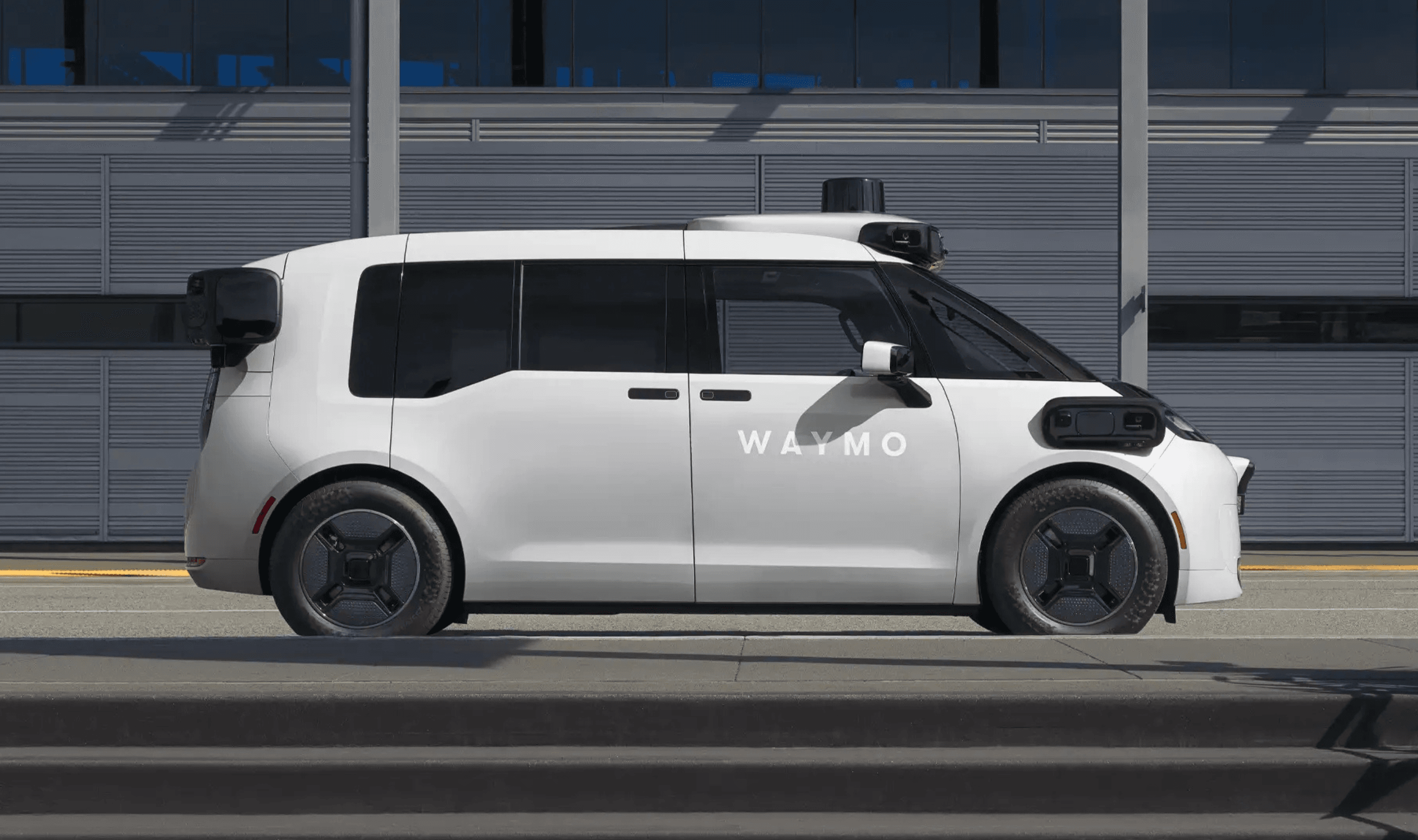

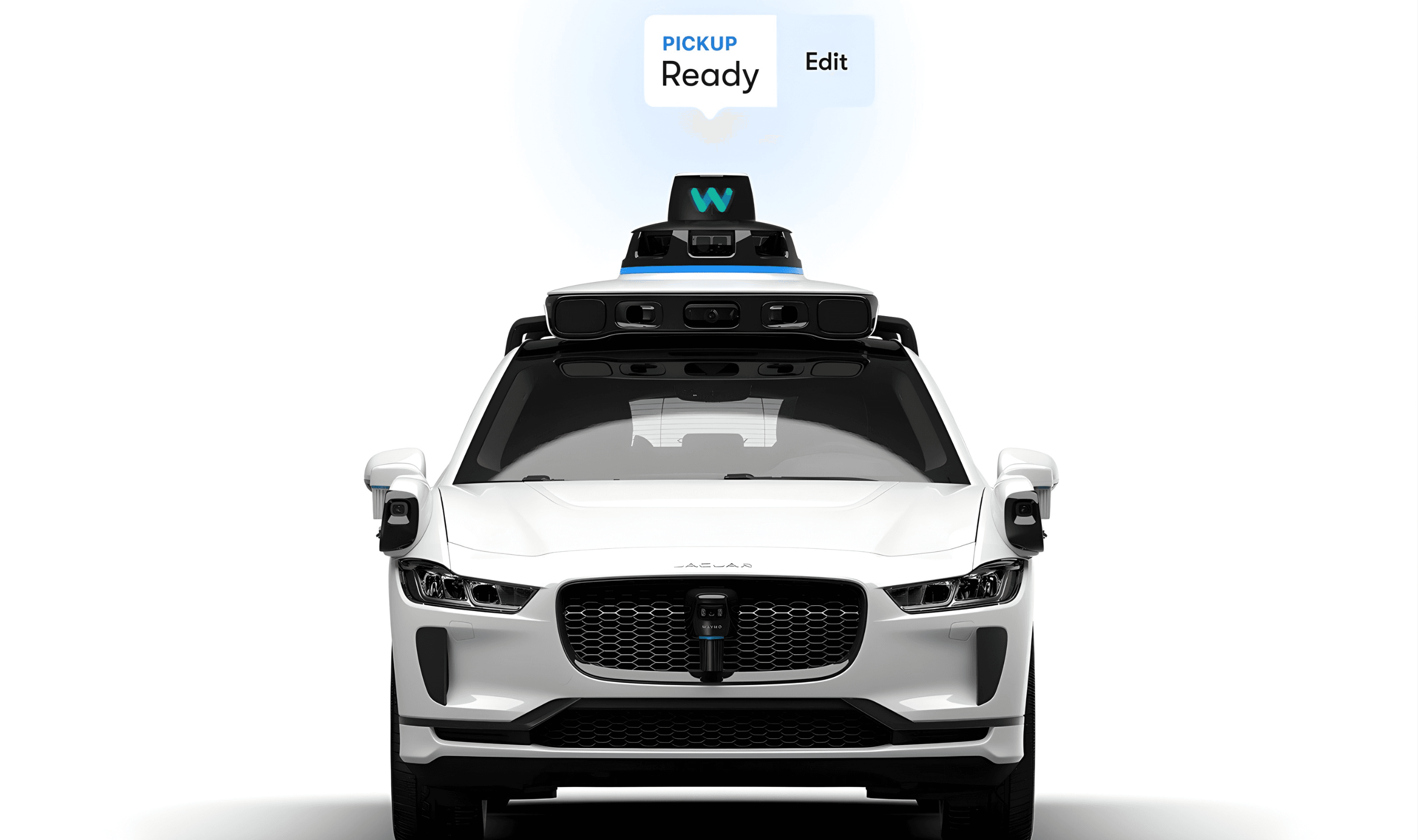
Waymo announced its expansion to Sacramento on Thursday, bringing autonomous ride-hailing to California's capital city. The Alphabet-owned company will begin manually driving electric Jaguar I-PACE vehicles through Sacramento streets this week to map routes and learn local traffic patterns.
The autonomous taxi service, already operational in Phoenix, San Francisco, and Los Angeles, plans to lay groundwork for future public service in Sacramento. No official start date for passenger service was announced, but the mapping phase represents the first step toward deployment.
"As California's capital and a growing center for progress, Sacramento's spirit of innovation makes it the perfect next step for our expansion,"
Waymo stated in its announcement. The company emphasized working with state and city leaders during the expansion process.
Sacramento becomes the latest addition to Waymo's growing network, joining previously announced expansions to Dallas and Denver scheduled for 2026. The company's autonomous vehicles are currently available in five U.S. cities through its dedicated app on Android and iOS platforms.
Waymo's expansion coincides with production ramp-up plans at its Arizona facility. The company and manufacturing partner Magna International aim to double robotaxi production at their Mesa plant by the end of 2026, according to CNBC reporting from May 2025. The 239,000-square-foot facility outside Phoenix will assemble more than 2,000 Jaguar I-PACE robotaxis.
The Sacramento announcement comes amid ongoing regulatory scrutiny of autonomous vehicle technology. Earlier this week, Waymo executives faced questions from U.S. senators about robotaxi safety incidents involving school buses and a recent crash in California. Lawmakers pressed for federal autonomous vehicle legislation during a Senate hearing on Wednesday.
"We will be looking to make sure that safety is number one priority so that everyone can operate in and around these vehicles safely."
City Councilmember Phil Pluckebaum emphasized safety concerns, stating this. Waymo claims its vehicles are ten times less likely to be involved in serious-injury collisions compared to human drivers.
The autonomous service operates alongside traditional rideshare options, with Waymo vehicles available through Uber in Austin and Atlanta. Riders using the Uber app in those cities can opt into autonomous rides, though UberXL, UberX Share, and Uber Premier requests won't match with Waymo vehicles.
Waymo's technology includes safety features like Safe Exit alerts that warn passengers about approaching cars, cyclists, or pedestrians when exiting vehicles. The system uses screens and audio alerts to prevent dooring incidents, similar to features found in some conventional vehicles like Kia's Safe Exit Assist.
The company's expansion strategy includes partnerships beyond ride-hailing. Waymo and Toyota announced a preliminary agreement in May 2025 to develop autonomous vehicle platforms for personally owned vehicles, marking a shift from Waymo's traditional focus on commercial ride-hailing services.
Sacramento's Vision Zero goals to reduce traffic deaths align with Waymo's safety-focused approach. The city joins a growing list of urban centers embracing autonomous transportation as companies scale production and expand service areas nationwide.