
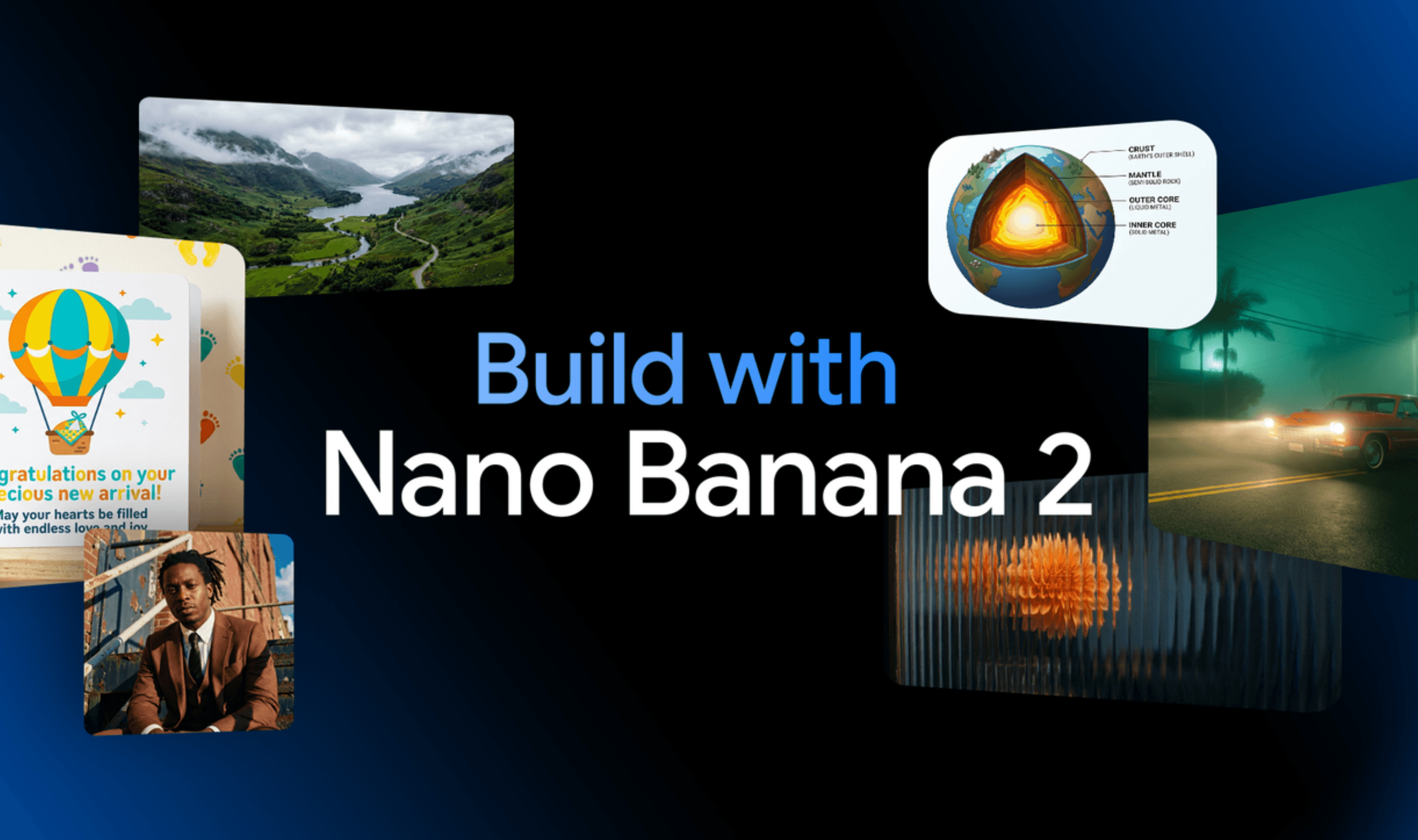
Google made high-quality AI image generation free and default across its entire ecosystem today, shifting from selling the technology as a product to bundling it as a feature that reaches billions of users instantly.
Nano Banana 2 launched without fanfare on February 26, becoming the default image generator in Google Search's AI Mode, Lens, Ads platform, Flow creative studio, and Gemini app simultaneously.
The model combines the advanced capabilities of November's paid Nano Banana Pro tier with the speed of Gemini Flash architecture, delivering what was previously premium functionality at no cost. The quiet rollout signals Google's pivot: AI image generation is no longer a standalone product but an embedded feature designed to keep users inside Google's surfaces. Anyone using Google Search in any of 141 countries now has access through AI Mode and Lens without opting in or facing usage caps.
Technical improvements address longstanding AI image weaknesses while expanding accessibility. The model fixes blurry text rendering that plagued earlier versions, generates cleaner legible text for marketing mockups and greeting cards, and maintains character consistency for up to five characters and preserves fidelity for up to 14 objects across a single workflow.
Output ranges from 512 pixels to crisp 4K resolution in multiple aspect ratios.
Google cut API pricing by half in three months as part of the bundling strategy. Nano Banana Pro previously cost $120 per million output tokens (roughly $0.134 per image at 1K resolution), while Nano Banana 2 runs on the Flash backbone at $60 per million tokens ($0.067 per image). In Flow creative studio, it operates at zero credits by default.
The company's original Nano Banana attracted 13 million first-time users to the Gemini app in four days last September and generated more than five billion images by mid-October. That engagement data gave Google confidence to expand distribution aggressively; the Gemini app now serves over 750 million monthly active users.
Alibaba's open-weight Qwen-Image-2.0 release sixteen days earlier pressured Google to lock in distribution before free self-hosting alternatives emerged commercially viable. The Chinese tech giant's model runs on just seven billion parameters while matching Nano Banana Pro on quality benchmarks and will likely receive Apache 2.0 licensing like its predecessor.
Enterprise users gain built-in compliance tooling alongside performance improvements. Nano Banana 2 ships with SynthID watermarking and C2PA Content Credentials baked in. SynthID verification has been used over twenty million times since November, providing regulated industries with native content provenance that open-weight alternatives lack.
Paid subscribers retain access to the original Pro model through a buried menu option for specialized tasks requiring maximum factual accuracy, but premium features like accurate text rendering and character consistency now flow freely to all users.
The bundling move applies Google's established platform playbook to AI image generation: absorb a product category into the ecosystem until competing on standalone quality becomes economically irrational for most users.