
Google reversed course on Android developer verification this week, creating an escape hatch for power users who want to install unverified apps. The move comes as OpenAI consolidates its fragmented desktop tools into a single superapp, revealing two divergent strategies for platform control in the face of external pressure.
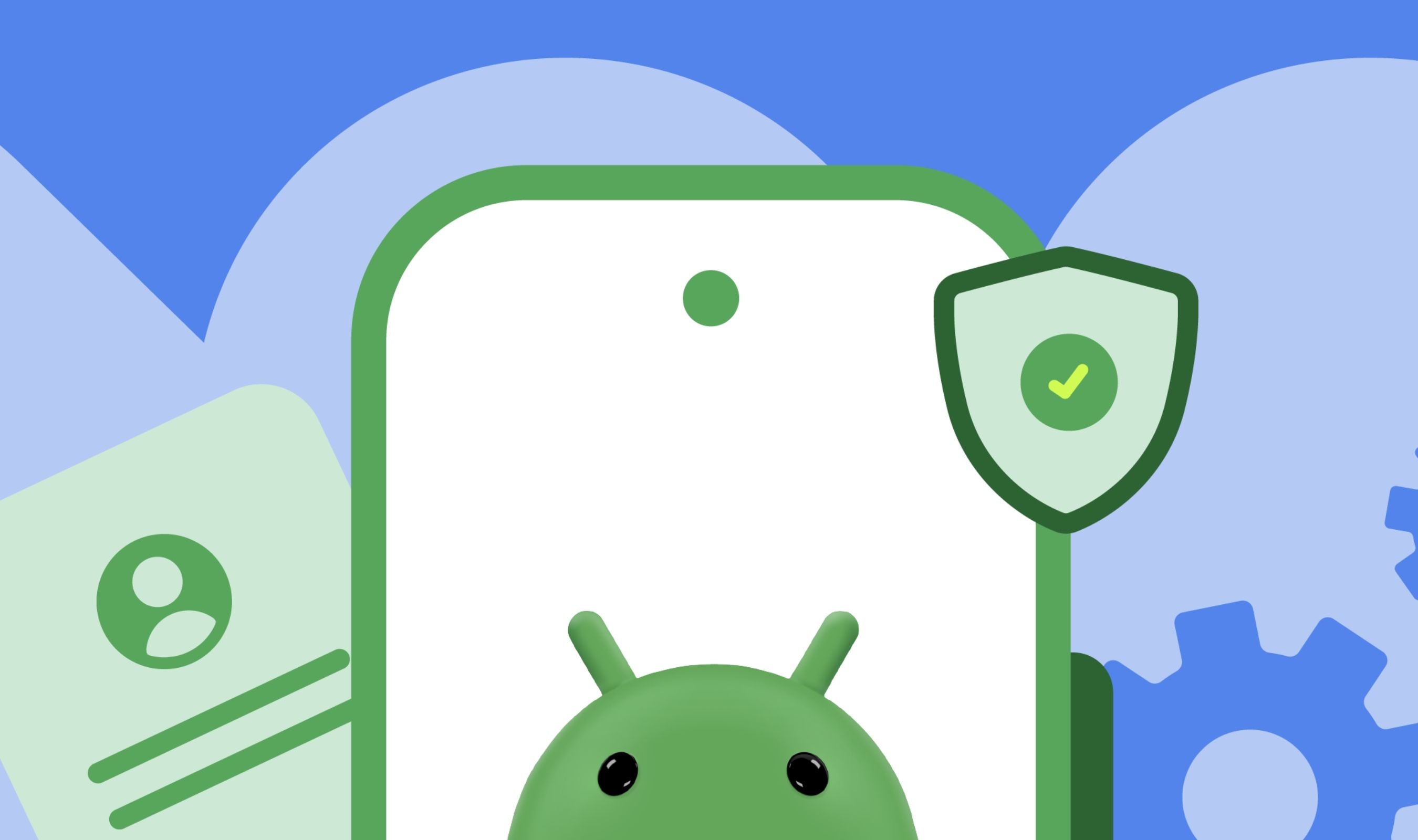
Android's new "advanced flow" will let users bypass Google's upcoming developer verification requirements through a multi-step process designed to prevent coercion. Users must enable developer mode, confirm they're not being guided by scammers, restart their device, then wait one day before gaining access. The system offers either seven-day temporary or indefinite installation permissions for unverified apps.
The policy reversal follows sustained opposition from developers and civil society groups since Google announced verification requirements last August. Starting in September 2026, certified Android devices in Brazil, Indonesia, Singapore, and Thailand will require all apps to be linked to verified developer accounts with a $25 fee and identity documentation, with global rollout planned for 2027 and beyond.
Thirty-seven organizations published an open letter objecting to the requirement earlier this year.
"want to take educated risks to install software from unverified developers."
Matthew Forsythe, director of product management for Android App Safety, said Google heard from power users who voiced that desire. The company also created limited distribution accounts allowing app sharing with up to twenty users without verification fees or ID requirements.
Both options arrive in August through Google Play services before the September verification deadline. The advanced flow includes security measures specifically designed against social engineering attacks where scammers pressure victims into disabling protections.
Meanwhile at OpenAI, executives announced plans last week to merge ChatGPT, Codex coding platform, and Atlas browser into a single desktop application. CEO of Applications Fidji Simo framed the consolidation as necessary prioritization during a March 16 all-hands meeting, telling employees product fragmentation "has been slowing us down."
The unified superapp would let users move from researching topics in Atlas browser directly to coding tasks with Codex agents without switching applications. Simo said OpenAI is "orienting aggressively toward high-productivity use cases" with a goal of turning ChatGPT's 900 million users into "high-compute users."
OpenAI's consolidation responds directly to competitive pressure from Anthropic's Claude Code, which reached $2.5 billion in annualized revenue by February according to internal metrics reported by The Wall Street Journal. Enterprise use accounts for more than half of that revenue six months after public launch.
President Greg Brockman leads the consolidation effort temporarily while CEO Sam Altman and Chief Research Officer Mark Chen determine which initiatives scale back. No timeline exists for the unified app's release, and Windows support remains uncertain following Atlas's macOS-first launch last October.
Google's concession on Android verification contrasts sharply with OpenAI's centralization push. Both companies face external pressures, community backlash versus competitive threats, but choose opposite strategies: opening access versus tightening integration.