

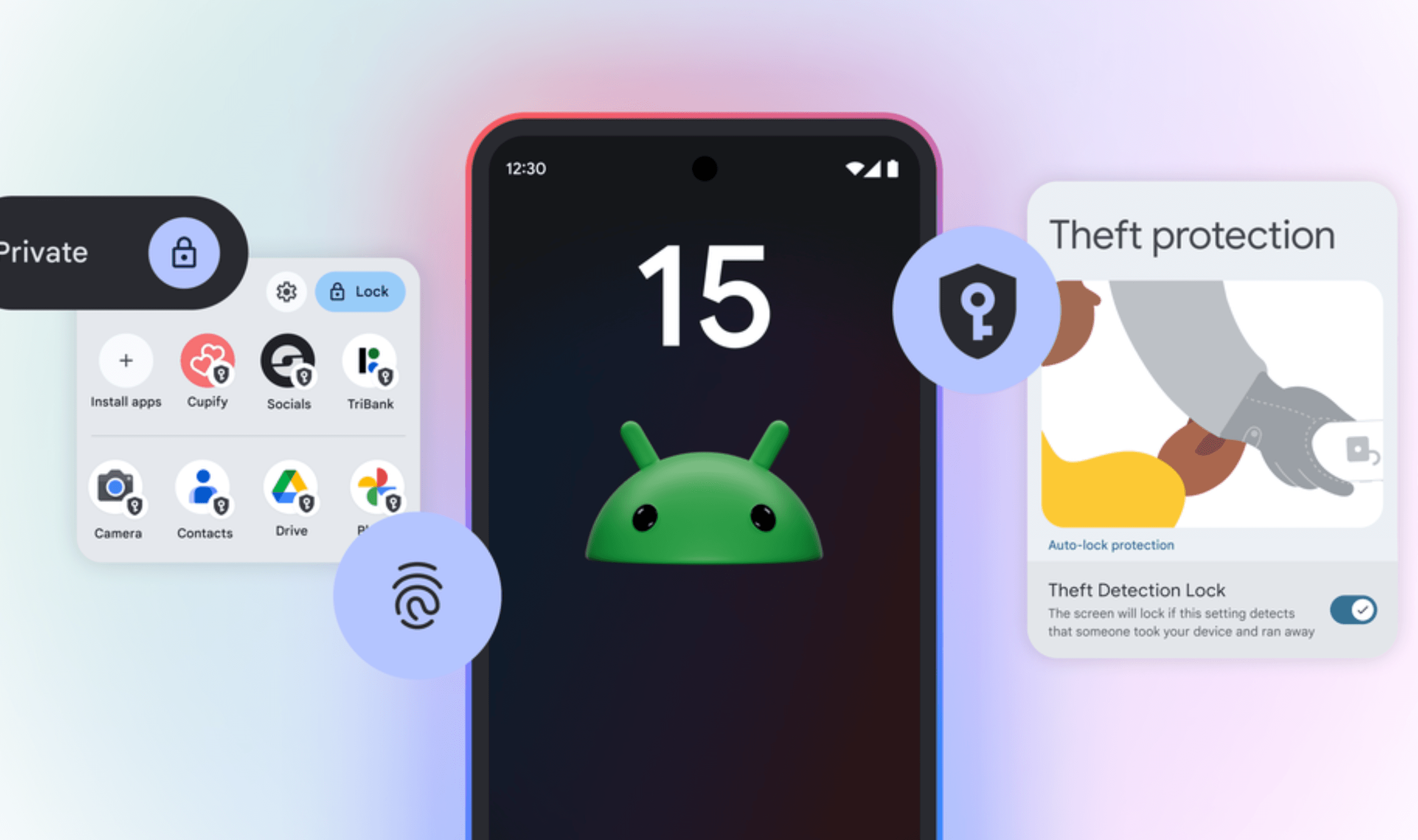
Google deployed AI-powered defenses against a surge of Android malware and financial fraud schemes last year, blocking over 1.75 million policy-violating apps before they reached users. The company banned more than 80,000 developer accounts attempting to distribute harmful software throughout 2025.
Google Play Protect now scans 350 billion apps daily across devices worldwide, according to the company's annual security report. The system identified 27 million new malicious applications originating outside the official Play Store last year alone.
Enhanced fraud protection expanded to 185 markets covering 2.8 billion devices, stopping 266 million risky installation attempts. The system specifically targets apps sideloaded through browsers or messaging platforms where most threats originate.
A new call-based security feature prevents users from sideloading apps or disabling protections during active phone calls. This addresses social engineering scams where criminals impersonate tech support or bank officials while walking victims through compromising device security steps.
Anti-spam systems removed 160 million fake ratings and reviews from the Play Store in 2025, including coordinated review-bombing campaigns designed to artificially manipulate app scores.
Privacy protections stopped 255,000 applications from accessing unnecessary sensitive user data like location or photos.
Google integrated generative AI models directly into its app review process to help human reviewers detect complex abuse patterns faster. Every app submitted undergoes more than 10,000 automated safety checks before approval with continuous monitoring after publication.
The Play Integrity API now processes more than 20 billion device integrity checks daily using new hardware-backed signals that make device spoofing more difficult for threat actors. The latest Android version introduces simplified protections against tapjacking attacks where malicious overlays hijack user interactions for ad fraud.
Developer identity verification requirements are tightening to prevent malicious actors from repeatedly entering the ecosystem under new accounts. Full verification will roll out more broadly this year with a separate lighter account tier for students and hobbyists distributing apps to limited devices.
Google's security investments come as attackers increasingly use AI themselves to automate scams, malware distribution, and social engineering tactics. The company's AI-assisted defenses aim to maintain pace with evolving threats across its platform of over three billion active Android devices.