
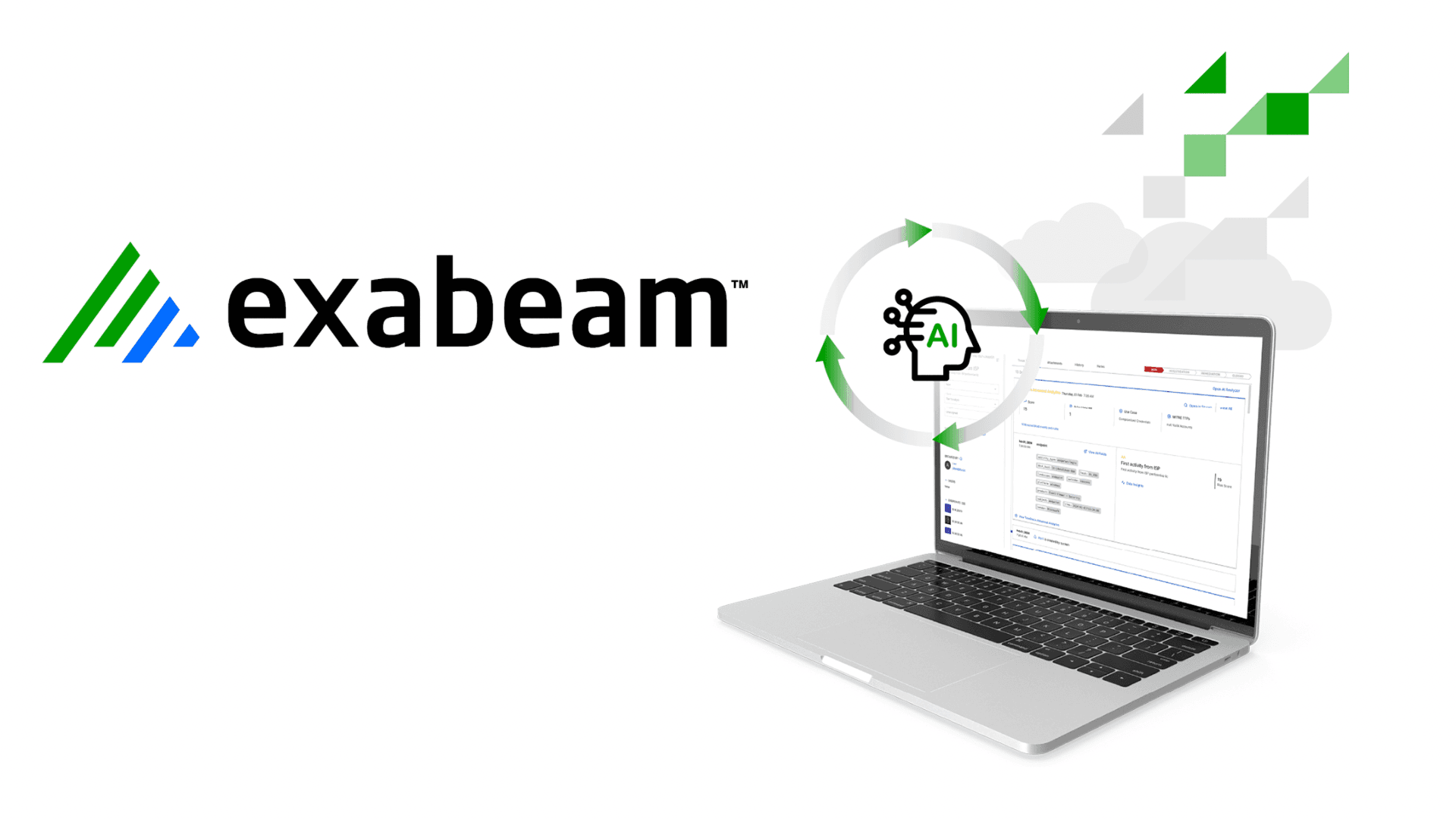
Exabeam launched the first connected AI security system today, extending behavioral analytics to monitor AI agent activity across enterprise environments. The security automation company's new platform integrates with Google Gemini Enterprise to provide real-time visibility into AI agent actions, addressing growing concerns about autonomous systems sharing sensitive data and overriding internal policies.
Enterprises are already seeing AI agents share sensitive data, override internal policies and make unsanctioned changes without visibility into who authorized the action or why it occurred. Exabeam's system applies User and Entity Behavior Analytics (UEBA) to AI agents for the first time, creating behavioral baselines to detect risky deviations from normal patterns. The company initially introduced UEBA for AI agents in September 2025 through its Google Gemini integration.
Security teams gain unified investigation capabilities, posture visibility, and maturity tracking for AI usage across their organizations. The connected system combines behavioral analytics, centralized investigation workflows, and security posture assessment in a single interface. This provides measurable foundations for understanding AI activity and accelerating incident response as agent adoption expands.
"Securing AI agent behavior requires more than brittle guardrails," said Steve Wilson, Exabeam's chief AI and product officer. "It requires understanding normal behavior and detecting risky deviations. Exabeam is the first to apply UEBA to AI agents, and this release extends that leadership." The capabilities help security teams identify risks early and investigate AI agent activity quickly.
Traditional security tools designed for static users and devices cannot manage AI's dynamic, decision-making entities. Analysts expect AI agent oversight to become a core security category by 2026, alongside identity, cloud, and data protection. Exabeam positions itself as the first mover in AI agent behavior analytics, a discipline likely to define enterprise security for digital workforces.
Some organizations now treat AI agents as first-class identities with dedicated security controls and policies. Others restrict agent access to specific data and systems, requiring orchestration to deliver business benefits. Exabeam's modeling tools allow security teams to evaluate different control approaches and select appropriate configurations across business units.
The system's enhanced data and analytics enable accurate modeling of emerging agent behaviors, helping organizations establish usage patterns and identify security weaknesses. Security leaders receive structured frameworks to understand AI activity, accelerate investigations, and continuously improve defenses as agent adoption grows rapidly across enterprise workflows.
"AI agents have the potential to radically transform how businesses operate, but only if they can be governed responsibly," said Pete Harteveld, CEO of Exabeam. "Executives need clear insight into AI agent behavior and understanding of whether their security posture supports safe adoption." The new capabilities provide that insight with continuous improvement paths.
Without proper oversight, AI agents operating with more power and access than human users create significant security, compliance, and privacy risks. These risks could result in substantial costs for organizations lacking visibility into agent activities. Exabeam's connected system addresses this gap by unifying behavioral analytics, investigation workflows, and posture management for AI security.