
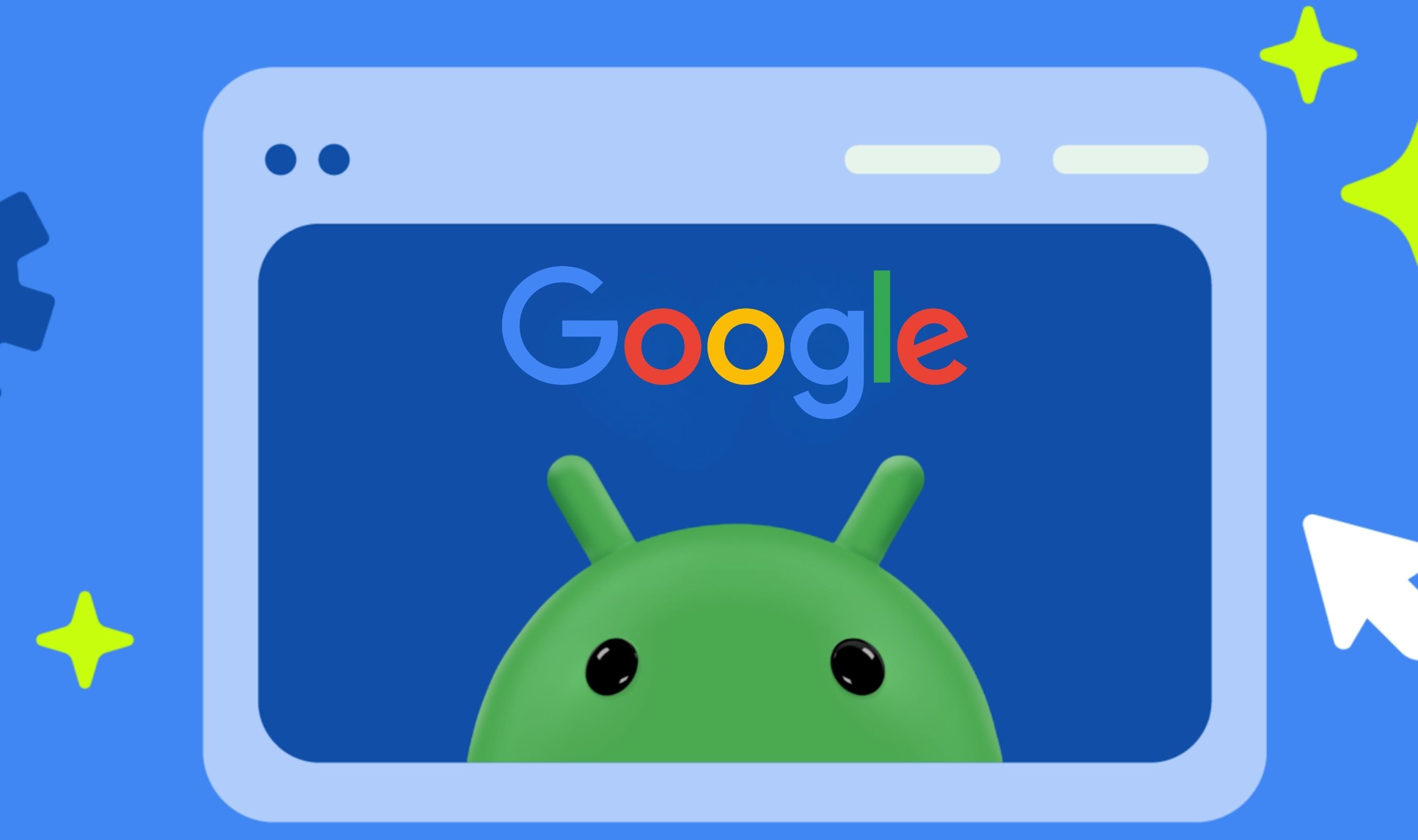
Android users could soon trigger ChatGPT or Claude with a custom wake word, under European Commission proposals that would force Google to open system-level Android features to rival AI assistants. The draft measures, released April 27 under the Digital Markets Act, target features Google currently reserves for its own Gemini AI. Competitors like OpenAI's ChatGPT and Anthropic's Claude are locked out of Android functions Gemini can already perform: composing emails, placing food orders, sharing photos, and adjusting hardware settings like screen brightness.
The Commission wants users to invoke third-party AI services by speaking a personalized trigger phrase. Those services would also gain access to device-level entry points, including the long-press gesture on the home button, and could tap into app data stored on the device for proactive, context-aware suggestions.
"Today's proposed measures will give more choice to Android users about the AI services they use and integrate in their phone," EU antitrust chief Teresa Ribera said in a statement.
Google's response was immediate and pointed. Senior Competition Counsel Clare Kelly called the intervention "unwarranted," arguing it would "mandate access to sensitive hardware and device permissions, unnecessarily driving up costs while undermining critical privacy and security protections for European users."
The company maintains Android is already open. Kelly noted Google is "already licensing search data to competitors under the DMA" and that "Android's open ecosystem enables AI assistants to thrive, as device makers have full autonomy to integrate and customize the AI experiences their users want." The specification proceedings began January 27, 2026, giving the Commission a six-month window to issue a final ruling. A public consultation runs through May 13, after which the Commission will weigh Google's response alongside outside submissions. The final measures could change based on that feedback.
Companies that violate the DMA face penalties of up to 10% of worldwide annual revenue.
Coverage extends across the full Android hardware ecosystem, including devices from OEM manufacturers. Alphabet would be barred from charging third parties for the interoperability it must provide. A separate but related proceeding, announced in mid-April, targets Google Search directly. That action would compel Google to share anonymized query and ranking data with outside search engines and AI chatbot providers on fair, reasonable, and non-discriminatory terms. The outcome remains unresolved. Neither Google nor the EU has announced next steps beyond the existing compliance period, and both sides are holding firm as the deadline approaches.