
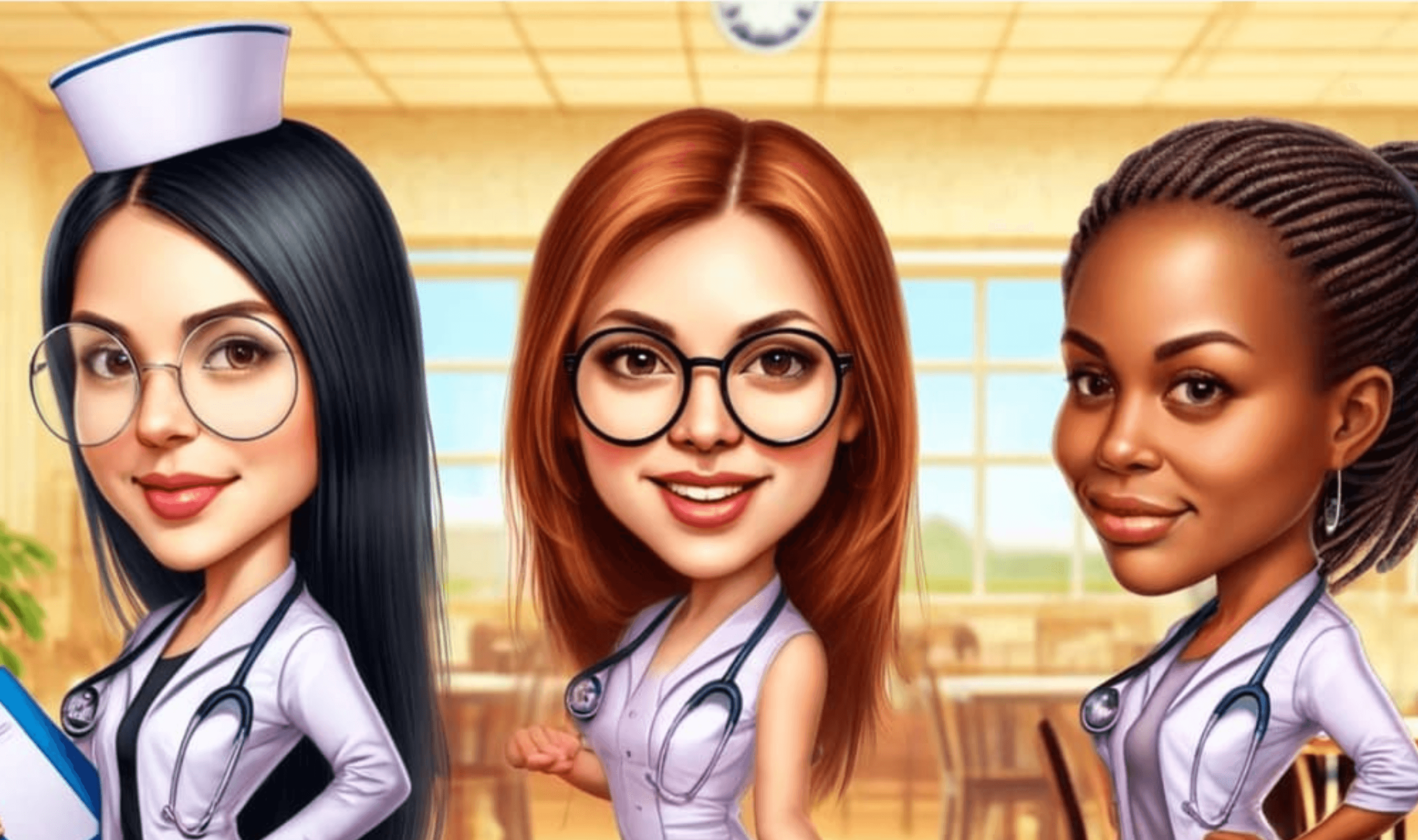
OpenAI's ChatGPT platform spawned a viral social media phenomenon in February 2026, with users generating personalized caricatures that demonstrate the AI's extensive knowledge of their lives. The trend exposes how much personal information accumulates in chat histories and raises privacy questions about AI data collection.
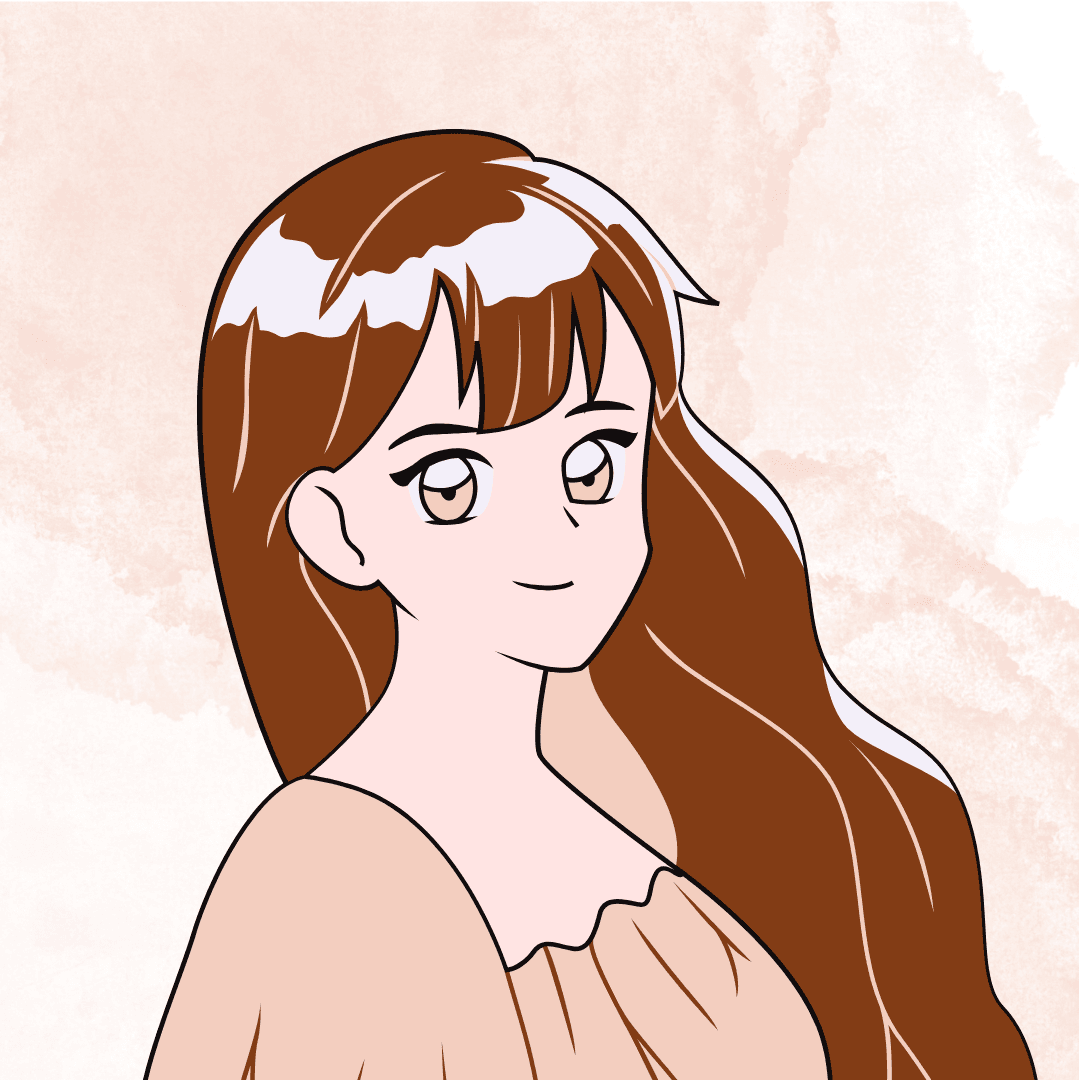
Users across Instagram, TikTok, and X began flooding feeds with cartoon-style portraits that accurately reflect professions, hobbies, and personality traits. These images go beyond generic filters, incorporating specific workplace details, favorite accessories, and even fantasy football statistics in background elements.
The process requires uploading a clear facial photo to ChatGPT's image-enabled interface. Users then provide prompts like "create a caricature of me and my job based on everything you know about me." The AI analyzes facial structure, expressions, and proportions while drawing from conversation history to add personalized context.
For regular ChatGPT users, the system pulls details from previous interactions. Those with limited chat history must include specific information about their profession, daily routines, and personal interests in the prompt.
The more descriptive the input, the more accurate the resulting caricature becomes.
ChatGPT's image generation capabilities, powered by GPT-4o for paid users (which replaced DALL-E 3 for many applications in 2025), produce exaggerated cartoon portraits within seconds. Many results include professional tools, workplace settings, and hobby-related items that users recognize as accurate representations of their lives.
Security experts warn that participating in the trend involves sharing sensitive personal information with an AI system that builds user profiles. While OpenAI states it doesn't share this data, the company's terms and conditions could change, potentially exposing detailed personal profiles. These concerns echo recent findings about malicious extensions in AI marketplaces that pose data theft risks.
"You're supposed to give ChatGPT a prompt to make the image alongside information about your hobbies, interests, work information, family, and lifestyle," noted one privacy analysis. "When you issue a collection of information of this nature in combination with a picture, it allows the app to associate your name and personal information."
The trend represents a broader shift toward casual data sharing with AI systems. Users willingly provide details that would typically remain private, trusting platforms with information that could be used for targeted advertising or more invasive purposes if policies change.
This caricature wave follows earlier viral moments involving ChatGPT-generated imagery. In 2025, users transformed themselves into Studio Ghibli-style characters and Barbie-inspired figures. The current trend differs by emphasizing personalization over artistic style replication.
Unlike the Ghibli trend that focused on aesthetic transformation, the caricature phenomenon highlights how much AI systems learn about individual users. The accuracy of professional details and personal references surprises many participants, revealing the depth of data accumulation through routine interactions.
Some users report unexpected results, with ChatGPT occasionally generating exaggerated or insulting caricatures. Others find the AI subtly incorporates details they never explicitly shared, suggesting the system makes inferences from broader conversation patterns.
Creating a caricature requires ChatGPT's image upload feature, available on both web and mobile platforms. The free version allows 2-3 image generations daily with DALL-E, while paid subscribers enjoy higher limits.
Detailed prompts produce better results, with many users experimenting with multiple iterations to achieve desired outcomes.
Popular prompt variations include requests for specific art styles, workplace settings, and exaggeration levels. Some users ask for "classic theme-park caricature" styles with big heads and smaller bodies, while others request professional profile pictures with simple backgrounds.
The trend's accessibility drives its viral spread. No artistic skills or third-party editing tools are necessary, making participation possible for anyone with a smartphone and ChatGPT access. This ease of use, combined with the personal connection users feel to the results, fuels rapid social media sharing.
The caricature trend emerges as AI companies face financial pressures. OpenAI recently introduced advertising in ChatGPT responses and launched a cheaper $8 monthly Go tier to increase revenue. These monetization efforts coincide with growing user comfort in sharing personal data with AI systems. Meanwhile, other AI firms like Anthropic are advancing their own AI capabilities for internal development.
The trend demonstrates how AI tools evolve from utility functions to platforms for digital self-expression and social interaction, with free ChatGPT users limited to just 2-3 daily image generations during the February 2026 phenomenon.