
Seeing a "Call Failed" message or having calls drop unexpectedly on your Motorola Edge 40 can really interrupt your day. This usually happens when your phone struggles to connect properly to your carrier's network, which can be due to a weak signal, a minor software hiccup, or a simple setting that needs adjusting.
Let's go through the most effective ways to get your calls working again, starting with the quickest fixes you can try right now.
Toggle Airplane Mode On and Off
This is the fastest way to refresh your cellular connection. It clears out any temporary network glitches that might be preventing calls from going through. Just swipe down from the top of your screen to open the Quick Settings panel and tap the Airplane Mode icon to turn it on.
Wait about 15 seconds, then tap the icon again to turn it off. Your phone will reconnect to the network, and you can try your call again.
Check Your Signal Strength
Weak signal is the most common culprit for failed calls. Look at the signal bars in the top-right corner of your screen. If you only have one or two bars, try moving to a different location.
Sometimes just stepping near a window or going outside can make a big difference. If you're in a building with thick walls, the signal might be struggling to reach you.
Restart Your Motorola Edge 40
A simple restart can clear up many temporary software issues that affect calling. Press and hold the Power button until the power menu appears on screen, then tap "Restart."
If your screen is unresponsive, you can perform a force restart. Press and hold the Volume Down button and the Power button together for about 10 to 15 seconds until you see the Motorola logo appear, then let go.
Check for Do Not Disturb or Focus Modes
Make sure you haven't accidentally enabled a mode that's silencing calls. Swipe down from the top to view your Quick Settings and look for the Do Not Disturb icon (a circle with a line through it).
You can also check by going into Settings > Sound & vibration > Do Not Disturb. Ensure it's turned off, or verify that your contacts aren't being blocked by a scheduled or active Focus mode.
Verify Your SIM Card
A loose, dirty, or faulty SIM card can cause all sorts of network problems. Grab the SIM ejector tool that came with your phone (a paperclip works in a pinch) and gently push it into the small hole on the SIM tray to pop it out.
Remove the SIM card, give the gold contacts a gentle wipe with a soft, dry cloth, and then reinsert it firmly. Make sure the tray clicks back into place securely. If you have another phone handy, you could test the SIM card in it to see if the problem follows the card.
Update Your Phone's Software
Software updates often include important fixes for connectivity and calling issues. Motorola and Google release these updates to patch bugs, so it's a good step to take.
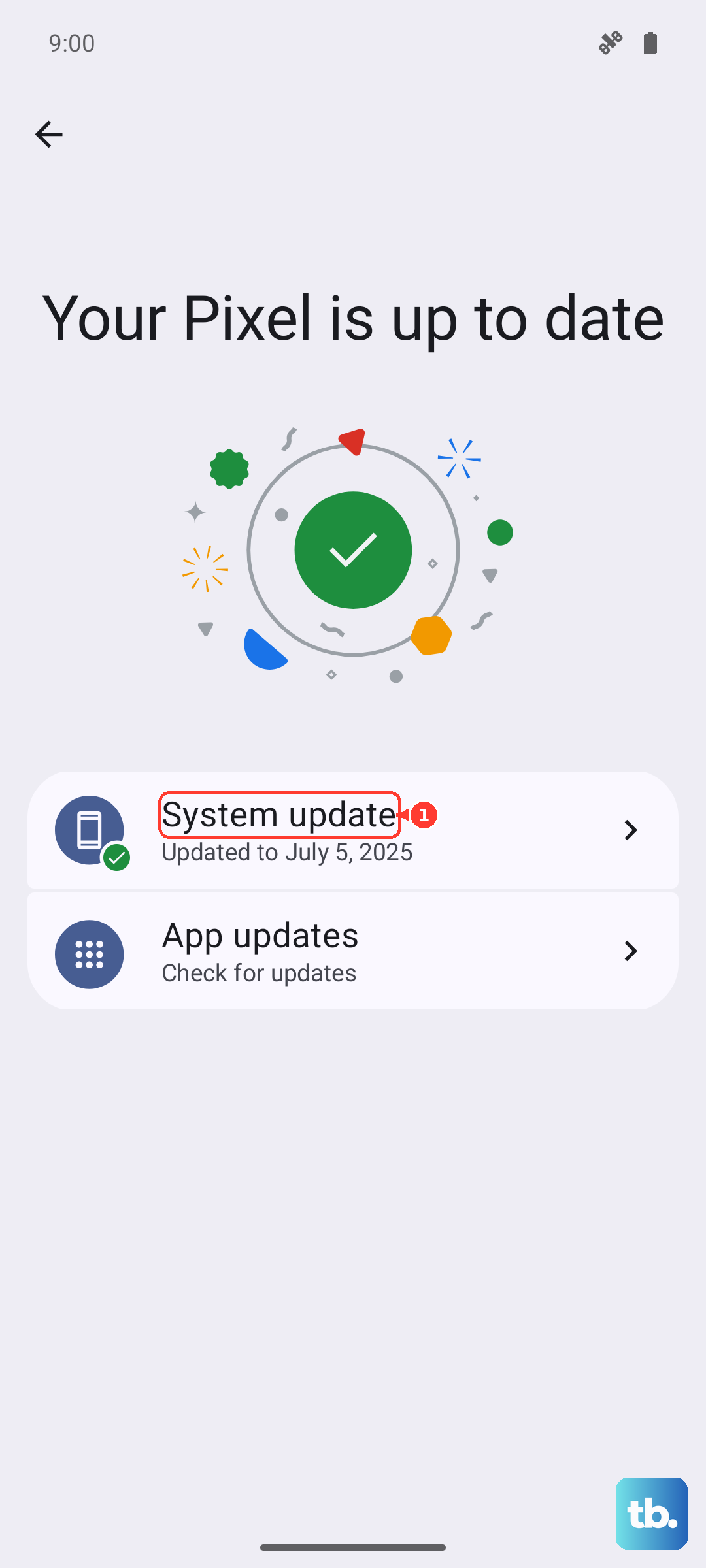
Go to Settings > System > System update and tap "Check for update." If an update is available, make sure your phone is connected to Wi-Fi and has at least a 50% charge before you download and install it.
Reset Your Network Settings
This will clear all your saved Wi-Fi networks, Bluetooth pairings, and cellular network preferences back to default. It won't delete your personal data like photos or messages, but you will need to reconnect to Wi-Fi networks afterward.
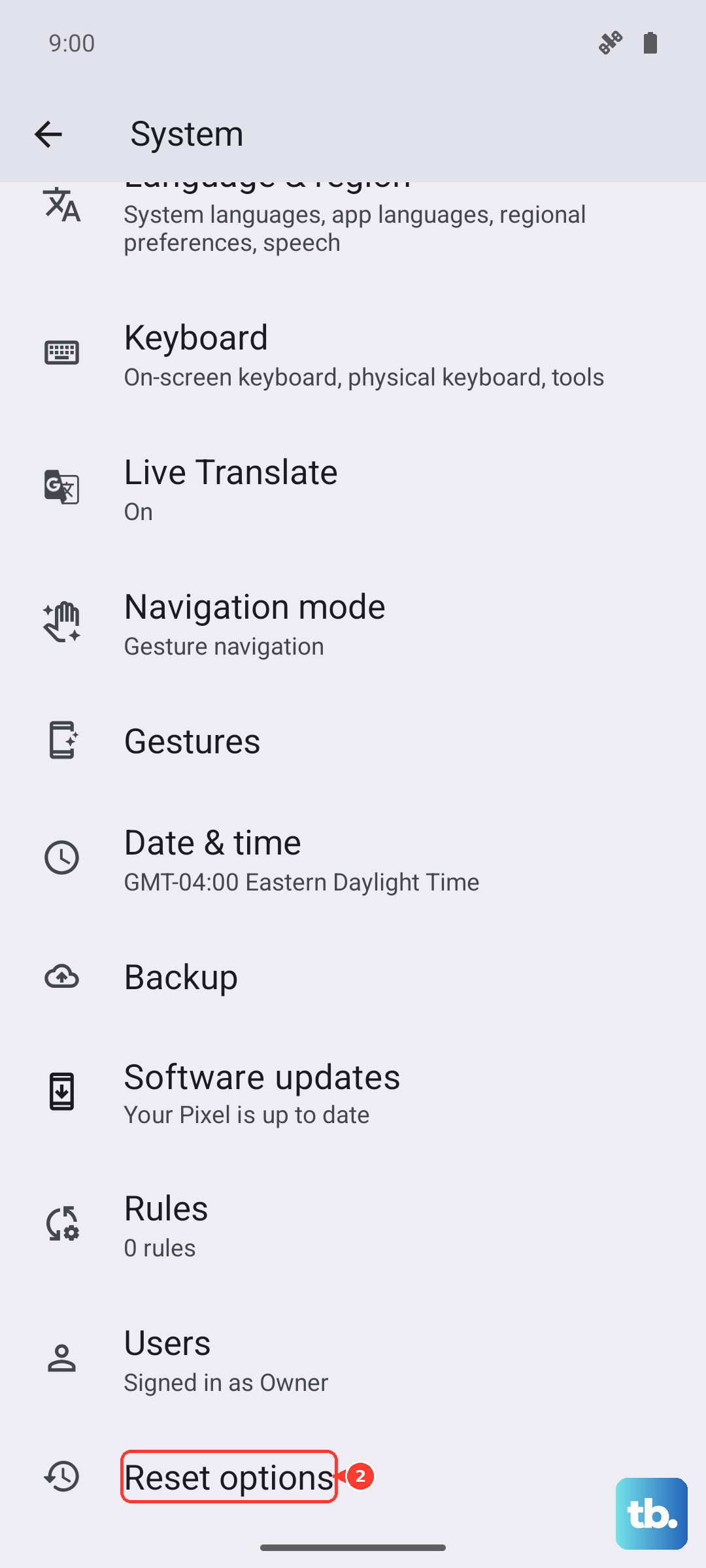
To do this, navigate to Settings > System > Reset options. Tap "Reset Wi-Fi, mobile & Bluetooth" and confirm your choice. This often resolves persistent calling problems related to network configuration.
Check for Carrier Services Updates
Your carrier occasionally pushes updates that improve how your phone connects to their network. These updates happen through the Google Play Store. Open the Play Store app, tap your profile icon in the top-right, and go to "Manage apps & device."
Under "Updates available," look for an app called "Carrier Services" or something similar with your carrier's name. If you see it, tap "Update." Keeping this app current can help with call reliability.
Review Your Call Barring Settings
It's worth checking that you don't have any call barring features accidentally enabled on your line. These are sometimes set through your carrier or within the phone app itself.
Open your Phone app, tap the three-dot menu in the top-right, and go to Settings > Calling accounts > [Your Carrier]. Look for any options related to call barring or blocking and make sure they are disabled. You can also contact your carrier directly to have them check this on your account.
Contact Your Mobile Carrier
If you've tried everything and calls are still failing, the issue might be on your carrier's end. There could be a temporary network outage in your area, a problem with your account, or your SIM card might need to be replaced.
Give your carrier's customer service a call from another phone if possible. They can check for outages, reprovision your service on their network, or send you a new SIM card if needed.