
Seeing "Call Ended" or having your Google Pixel 8 drop calls unexpectedly is a common headache. This usually happens when your phone loses its proper connection to the cellular network. Weak signals, a temporary software hiccup, or a misconfigured setting are often the culprits.
Here are 10 effective ways to fix call failures on your Pixel 8, starting with the quickest solutions you can try right now.
Toggle Airplane Mode
The fastest way to reset your cellular connection is by using Airplane Mode. This clears out any temporary network glitches that might be preventing your calls from going through. Swipe down twice from the top of your screen to open the full Quick Settings panel.
Tap the Airplane Mode icon to turn it on. Wait about 15 seconds, then tap it again to turn it off. Your phone will reconnect to the network, which often resolves the issue immediately.
Check Your Signal Strength
Weak cellular signal is the number one reason for call failures. Look at the signal bars in the top-right corner of your Pixel's screen. If you only have one or two bars, try moving to a different location.
Sometimes, just stepping near a window or going outside can make a big difference. If you're in a building with thick walls, this is almost always the first thing I'd check.
Restart Your Pixel 8
A simple restart can clear out minor software bugs that interfere with the phone app or modem. Press and hold the Power button and Volume Up button together until the power menu appears on screen, then tap "Restart."
If your screen is unresponsive, you can force a restart by pressing and holding the Power button for about 30 seconds until you feel the device vibrate and the Google logo appears.
Check Do Not Disturb and Focus Modes
Your Pixel's Do Not Disturb or a scheduled Focus mode might be silently blocking calls. Swipe down from the top and look for a small moon icon or a "Do Not Disturb" label in the status bar.
You can tap the moon icon to turn it off, or go into Settings > Sound & vibration > Do Not Disturb to check the rules and schedules. Make sure calls aren't being silenced by an active rule.
Update Your Phone App and Carrier Services
Outdated system apps can cause compatibility issues. Open the Google Play Store and tap your profile picture in the top right. Go to Manage apps & device > Manage and check for updates.
Look specifically for updates to "Phone by Google" and "Carrier Services." These are critical for calling functionality. Installing any available updates can patch bugs that lead to call failures.
Verify Your SIM Card
A loose, dirty, or faulty SIM card is a classic cause of call problems. You'll need the SIM eject tool that came with your Pixel 8. Insert it into the small hole on the SIM tray on the left side of the phone.
Gently remove the tray and take out the SIM card. Give the gold contacts a light wipe with a soft, dry cloth and then reinsert everything firmly. If you have another phone, you can test the SIM there to see if the problem follows the card.
Reset Your Network Settings
This is a more thorough step that clears all your saved Wi-Fi networks, Bluetooth pairings, and cellular settings without touching your personal data. Go to Settings > System > Reset options.
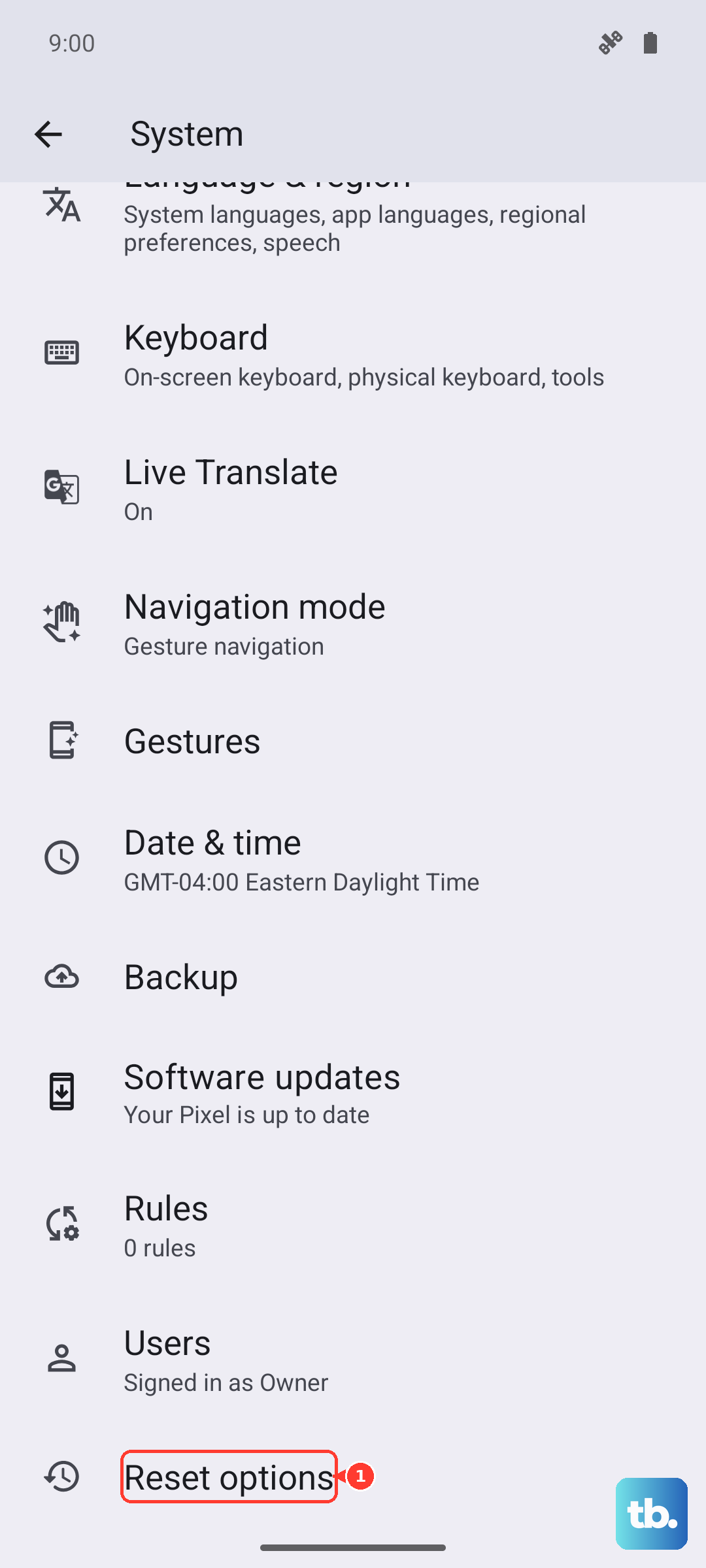
Tap on Reset Wi-Fi, mobile & Bluetooth and confirm. Your phone will reboot. Afterward, you'll need to reconnect to Wi-Fi and re-pair Bluetooth devices, but it often fixes persistent network and calling issues.
Check for a System Update
Google frequently releases system updates that include stability improvements for the modem and phone software. Make sure your Pixel 8 is running the latest version of Android.
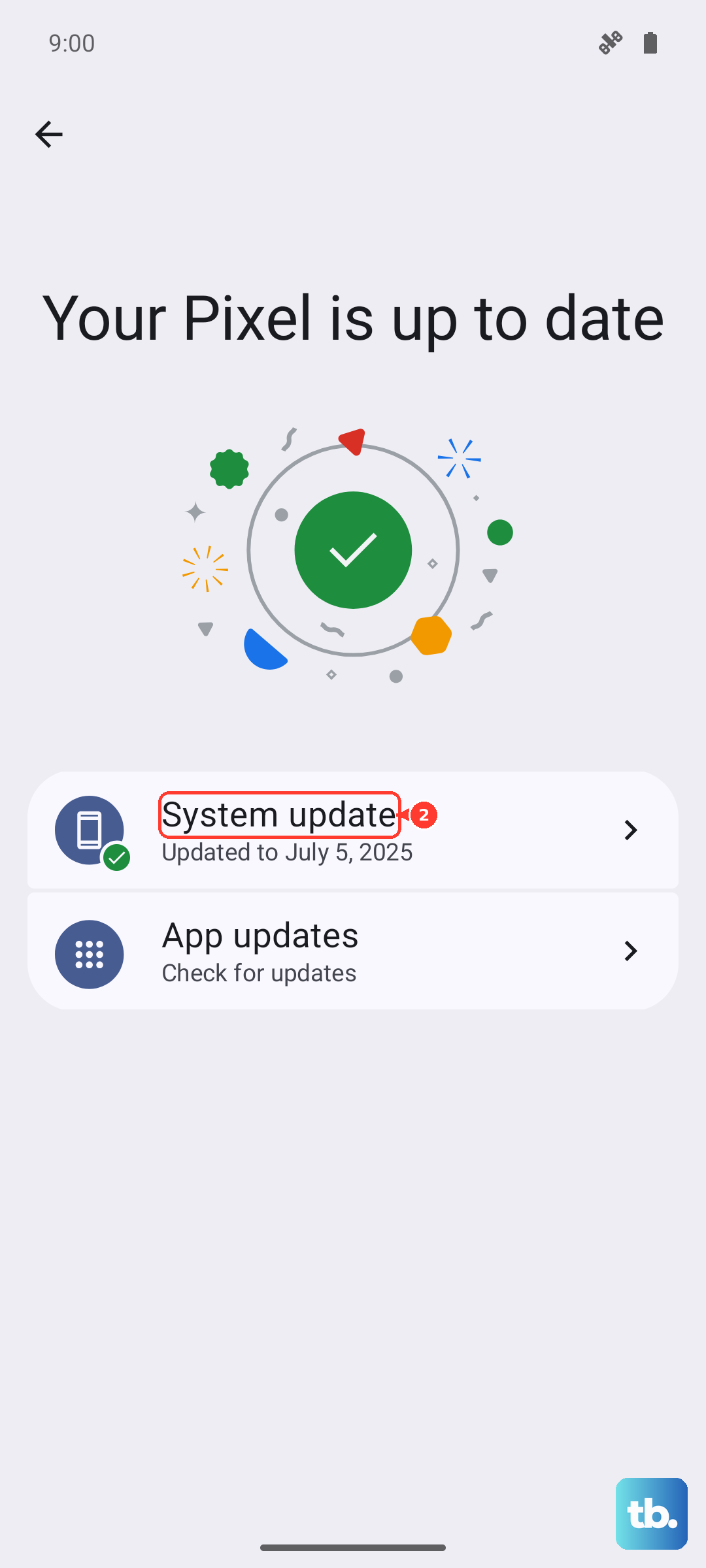
Go to Settings > System > System update and tap "Check for update." If one is available, connect to Wi-Fi and install it. Many users have reported call stability improvements after updating to newer builds, especially if you're on an older version of Android 15.
Switch Between 5G and LTE
Sometimes, the 5G network in your area can be less stable for voice calls than LTE. You can temporarily switch your preferred network type to see if it helps. Go to Settings > Network & internet > SIMs and tap on your active SIM.
Tap Preferred network type and select "LTE" instead of "5G." Try making a call. If it works, you can switch it back later, or leave it on LTE for better call reliability in your location.
Contact Your Mobile Carrier
If you've tried everything else, the problem might be on your carrier's end. There could be a temporary network outage, a problem with your account provisioning, or an issue that requires a new SIM card.
Call your carrier's customer support from another phone if possible. Ask them to check for outages and to reprovision your line on their network. They can also run diagnostics and, if needed, send you a replacement SIM card which often resolves mysterious calling problems.