If you record podcasts, stream games, or make music at home, a good USB microphone makes all the difference. The Sennheiser Profile delivers excellent all-around performance, while the Shure MV7+ offers professional features for serious creators. This list helps you find the right balance of sound quality, features, and value.
Product
Technobezz is supported by its audience. We may get a commission from retail offers.
Best USB Microphones for 2026
Sennheiser Profile leads our picks for the best USB microphones. Compare top models for podcasting, streaming, and music to find your perfect match.
T
Technobezz
Senior Editor
Updated March 14, 2026Mar 14, 2026
•8 min read

Get Deals Like These in Your Inbox
The best prices, reviewed weekly.
At a Glance
| Category | Product | Why We Picked It |
|---|---|---|
| Best overall | Sennheiser Profile | Clear natural sound with easy controls |
| Best for professional podcasting | Shure MV7+ | Dual USB and XLR outputs for flexibility and future expansion |
| Best value | Fifine K669B | Surprisingly good quality at a budget price |
| Best for podcasting | Rode PodMic USB | Warm tone with professional build |
| Best for streaming | HyperX QuadCast 2 S | Customizable with excellent noise handling |
| Best for music recording | Audio-Technica AT2020USB-X | Detailed capture for vocals and instruments |
| Also recommended | Logitech Blue Yeti | Versatile classic for beginner creators |
| Also recommended | Elgato Wave:3 | Streamer-focused microphone with Clipguard technology to prevent distortion |
| Also recommended | Maono PD200W | Wireless podcast mic with great noise reduction |
| Also recommended | Rode NT-USB+ | Studio vocal clarity with onboard processing |
How we chose and tested
We evaluated USB microphones based on audio quality assessments across multiple recording scenarios. Our assessment considers factors like noise rejection, frequency response accuracy, and real-world usability in home studio environments. We prioritize products that deliver consistent performance for their intended use cases, whether that's voice recording, streaming, or music production. Compatibility with different operating systems and ease of setup were also important considerations in our evaluation.
The best USB microphones right now
Sennheiser Profile - Best overall
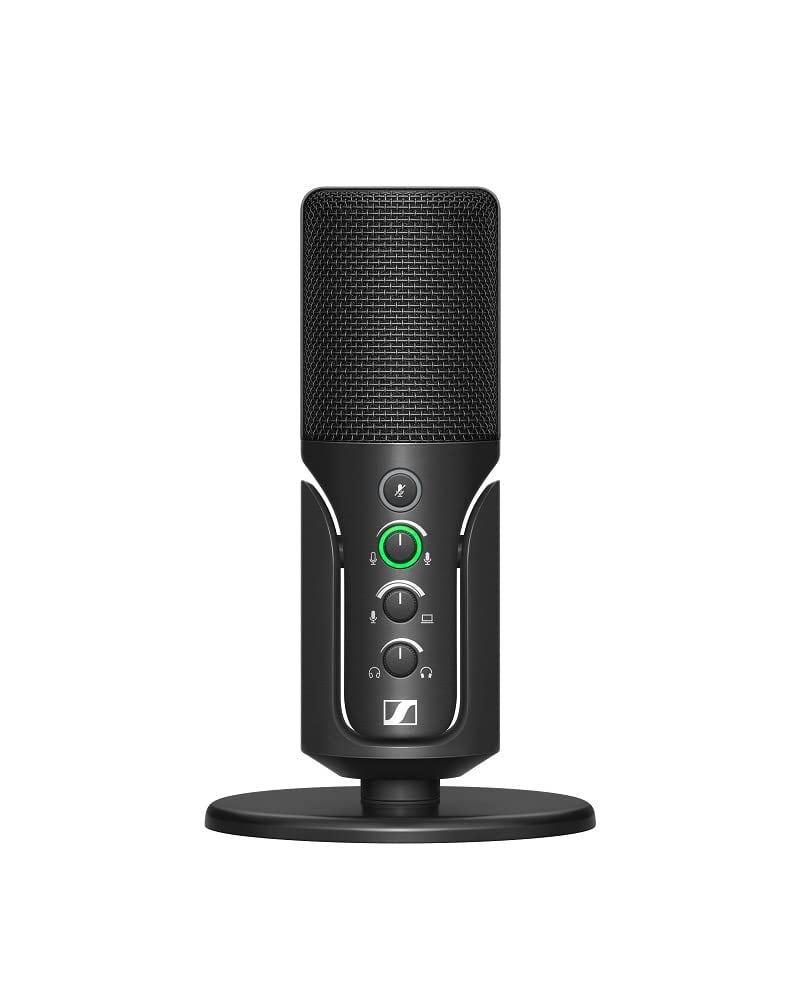
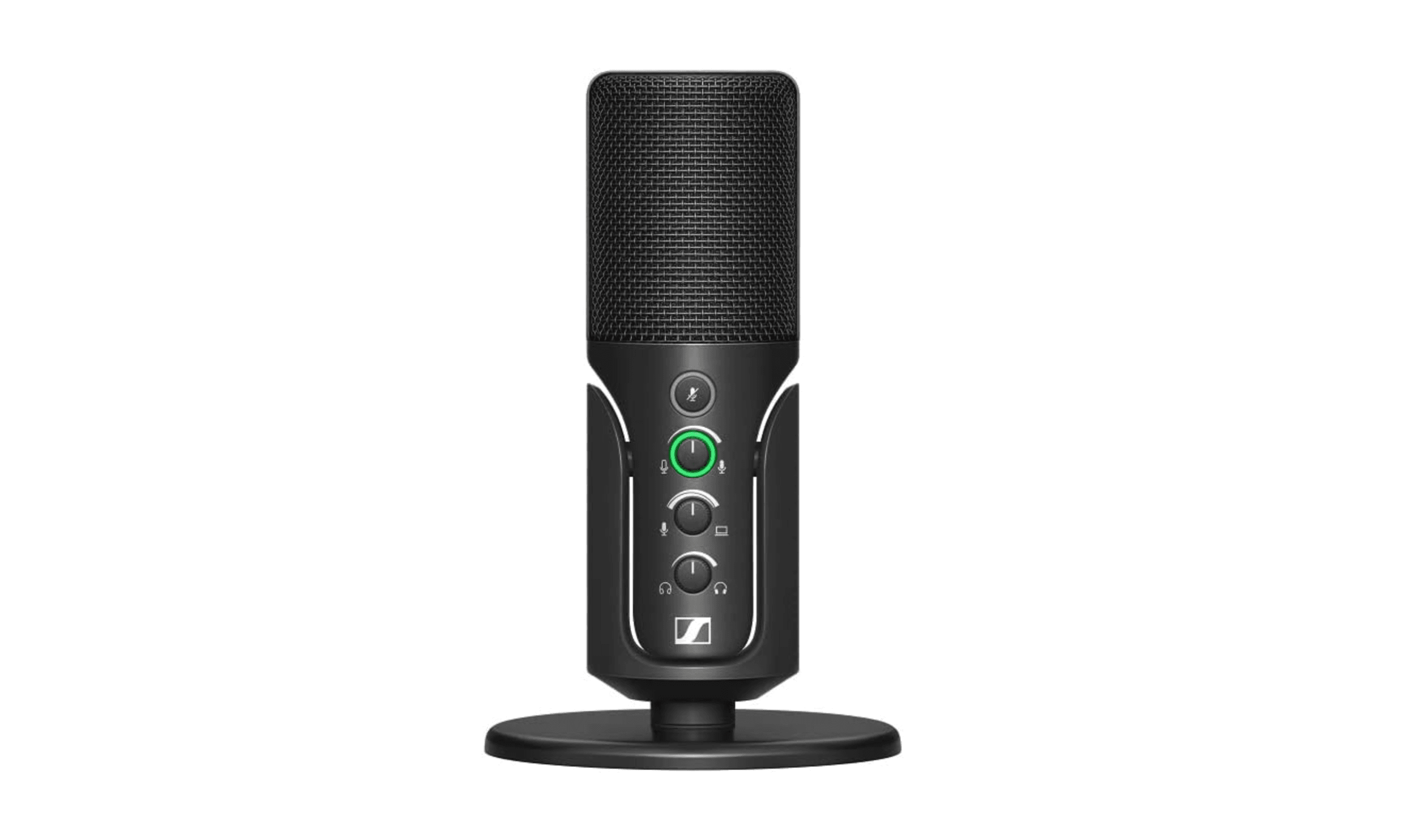
The Sennheiser Profile delivers clear, natural sound for everything from streaming to music recording, making it the most versatile USB microphone available today.
Key highlights
- Clear, natural sound quality suitable for multiple recording purposes
- Solid build quality with useful front-mounted controls
- Tight cardioid polar pattern that focuses on your voice
- Includes a sturdy desktop stand for immediate setup
- Works well for voice, gaming, and acoustic music recording
Pros
- Excellent audio quality across different recording scenarios
- Easy to use with intuitive controls
- Good rejection of room reflections and background noise
- Compatible with most computers without additional software
Cons
- Lacks advanced audio processing features for noisy environments
- Not the best choice for untreated recording spaces
- Limited to cardioid polar pattern only
Who it is for: Content creators who need one microphone for multiple purposes, from podcasting to music recording.
Skip if
You record in very noisy environments or need multiple polar patterns for different recording setups.
Shure MV7+ - Best for professional podcasting
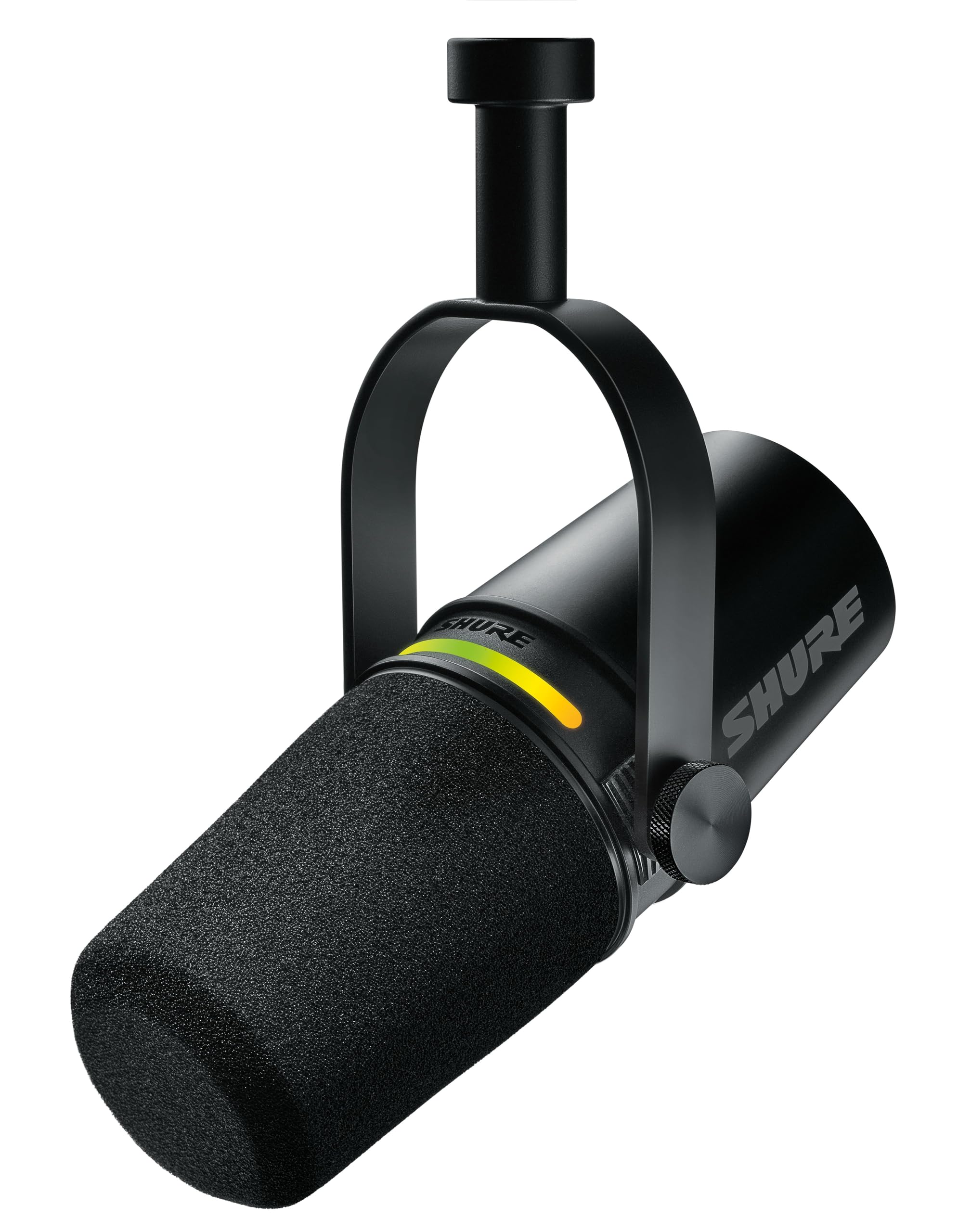
The Shure MV7+ combines professional sound quality with both USB and XLR connectivity, making it ideal for podcasters who want room to grow.
Key highlights
- Dual USB and XLR outputs for flexibility and future expansion
- Professional dynamic capsule that rejects background noise effectively
- Built-in digital signal processing with auto-level mode
- All-metal construction with durable, broadcast-quality design
- MOTIV app provides advanced audio control and customization
Pros
- Excellent voice clarity with natural mid-range presence
- Handles different recording environments well
- Auto-level mode simplifies gain management
- Can record simultaneously through USB and XLR
Cons
- Higher price point than many USB-only options
- Requires companion app for full feature access
- Heavier than some desktop microphones
Who it is for: Serious podcasters and content creators who want professional sound quality and future-proof connectivity.
Skip if
You're on a tight budget or only need basic plug-and-play functionality.
Fifine K669B - Best value
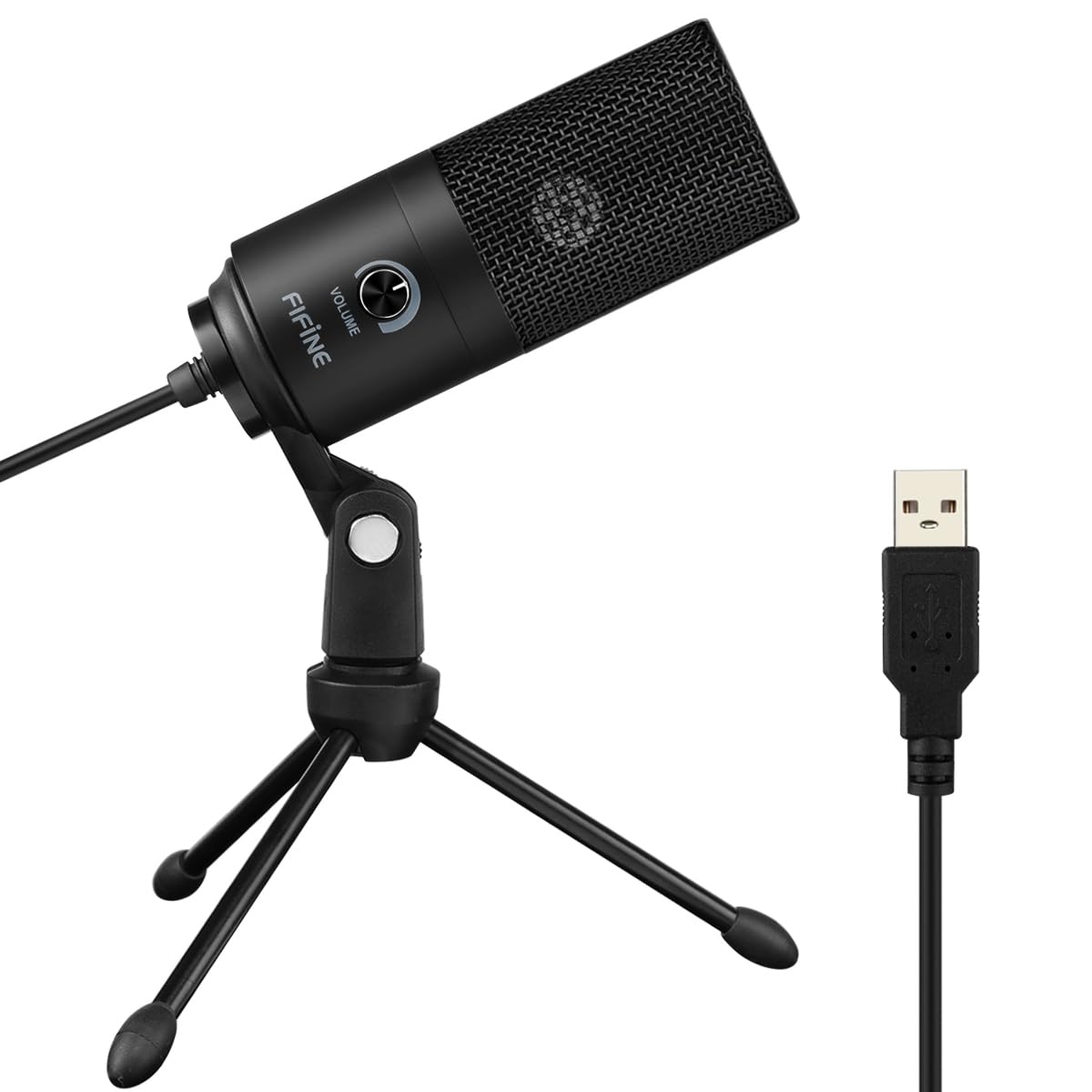
The Fifine K669B delivers impressive audio quality at a remarkably low price, making it the best entry point for new content creators.
Key highlights
- Surprisingly good sound quality for the price point
- Compact metal design with 360-degree adjustable mount
- Front-mounted volume and gain controls for easy adjustment
- Cardioid polar pattern focuses on your voice
- Includes tripod stand that can be removed for mounting
Pros
- Excellent value for money
- Easy to set up and use immediately
- Better controls than many budget competitors
- Compact size fits well in limited desk spaces
Cons
- Only cardioid polar pattern available
- Picks up more background noise than premium options
- No companion software for advanced customization
Who it is for: Beginners and budget-conscious creators who want better sound than built-in microphones.
Skip if
You need multiple polar patterns or record in very noisy environments.
Rode PodMic USB - Best for podcasting
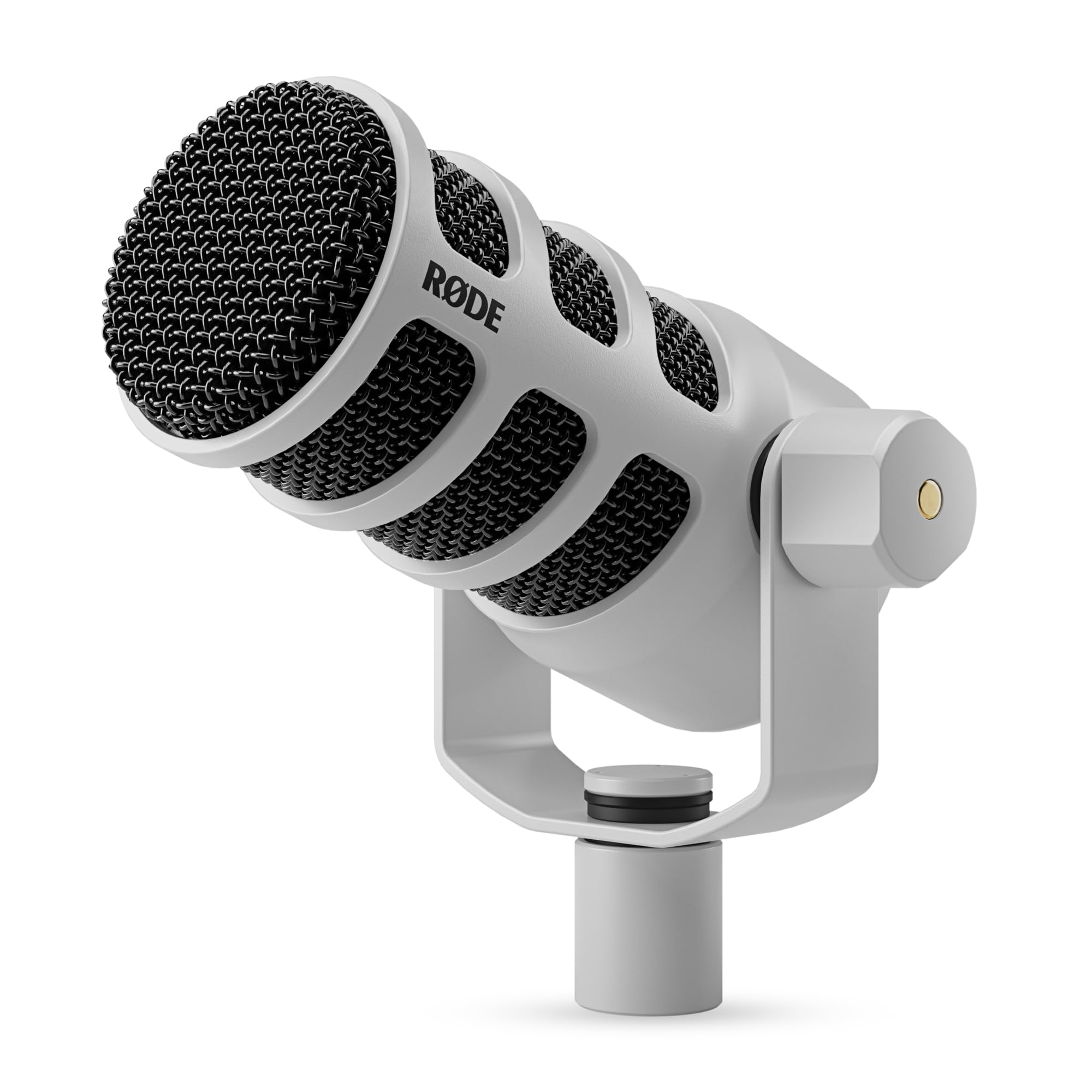
The Rode PodMic USB delivers warm, broadcast-quality sound specifically tuned for voice recording, making it perfect for podcast production.
Key highlights
- Dynamic capsule designed specifically for voice recording
- Warm, natural tone that makes voices sound polished
- USB-C connectivity with optional XLR output
- All-metal construction with integrated swing mount
- Includes headphone monitoring with volume control
Pros
- Excellent voice reproduction for podcasting
- Rugged build quality that feels professional
- Good rejection of room noise and reflections
- Works well with boom arms and professional stands
Cons
- Specifically designed for voice, not ideal for music
- Limited to cardioid polar pattern
- Requires proper positioning for best results
Who it is for: Podcasters who want professional sound quality without complex setup.
Skip if
You need to record musical instruments or want multiple polar patterns.
HyperX QuadCast 2 S - Best for streaming
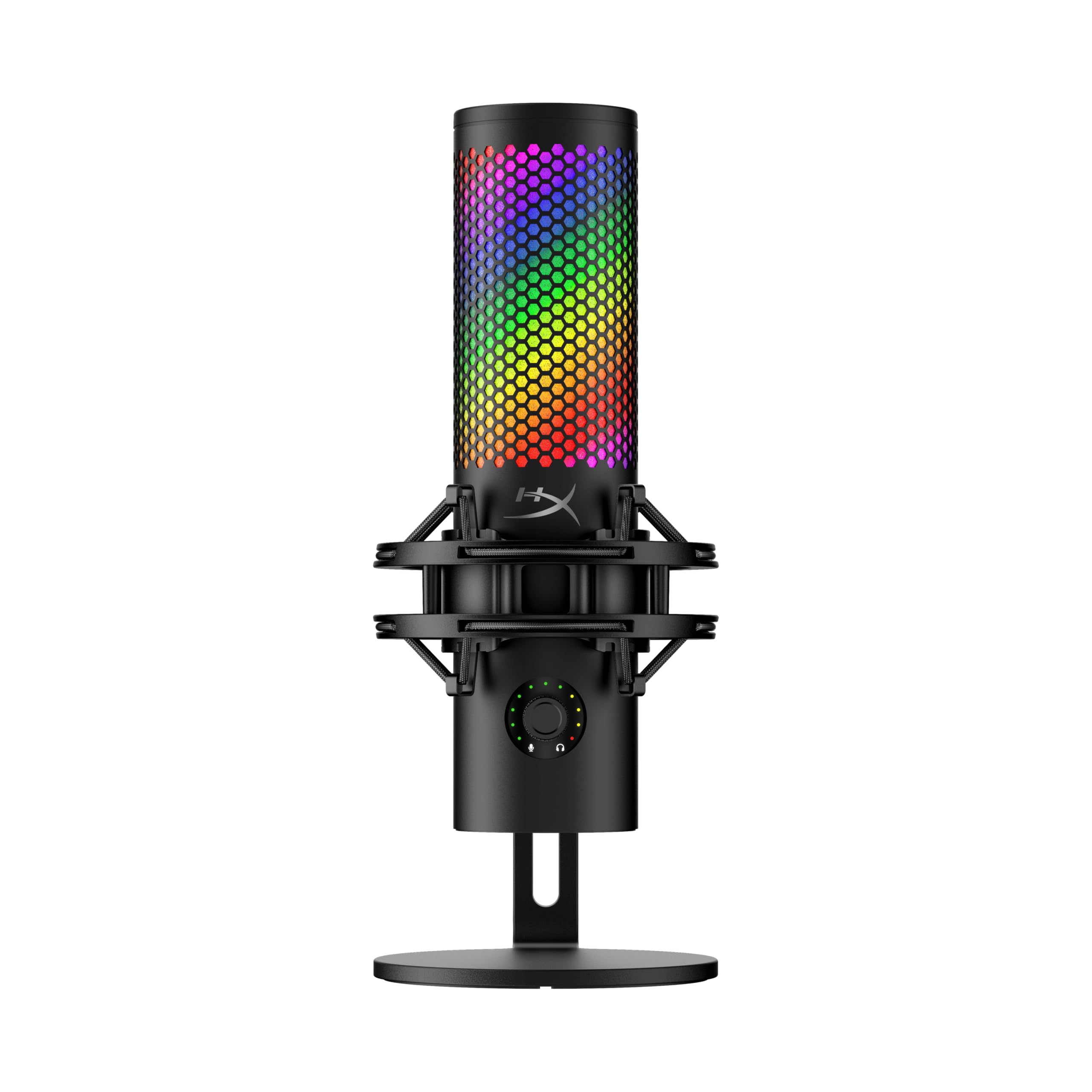
The HyperX QuadCast 2 S combines excellent audio quality with streaming-focused features, including customizable RGB lighting and multiple polar patterns.
Key highlights
- Four selectable polar patterns for different recording scenarios
- Customizable RGB lighting for visual streaming setups
- Built-in shock mount reduces desk vibrations
- Best-in-class audio recording resolution on a consumer USB gaming microphone
- Tap-to-mute button with visual indicator
Pros
- Excellent for gaming and streaming applications
- Multiple polar patterns add versatility
- Good noise handling in untreated rooms
- Visual mute indicator prevents accidental broadcasts
Cons
- Higher price than basic streaming microphones
- RGB lighting may not appeal to all users
- Companion software offers limited audio control
Who it is for: Streamers and gamers who want both good audio quality and visual appeal.
Skip if
You prefer minimalist design or don't need multiple polar patterns.
Audio-Technica AT2020USB-X - Best for music recording
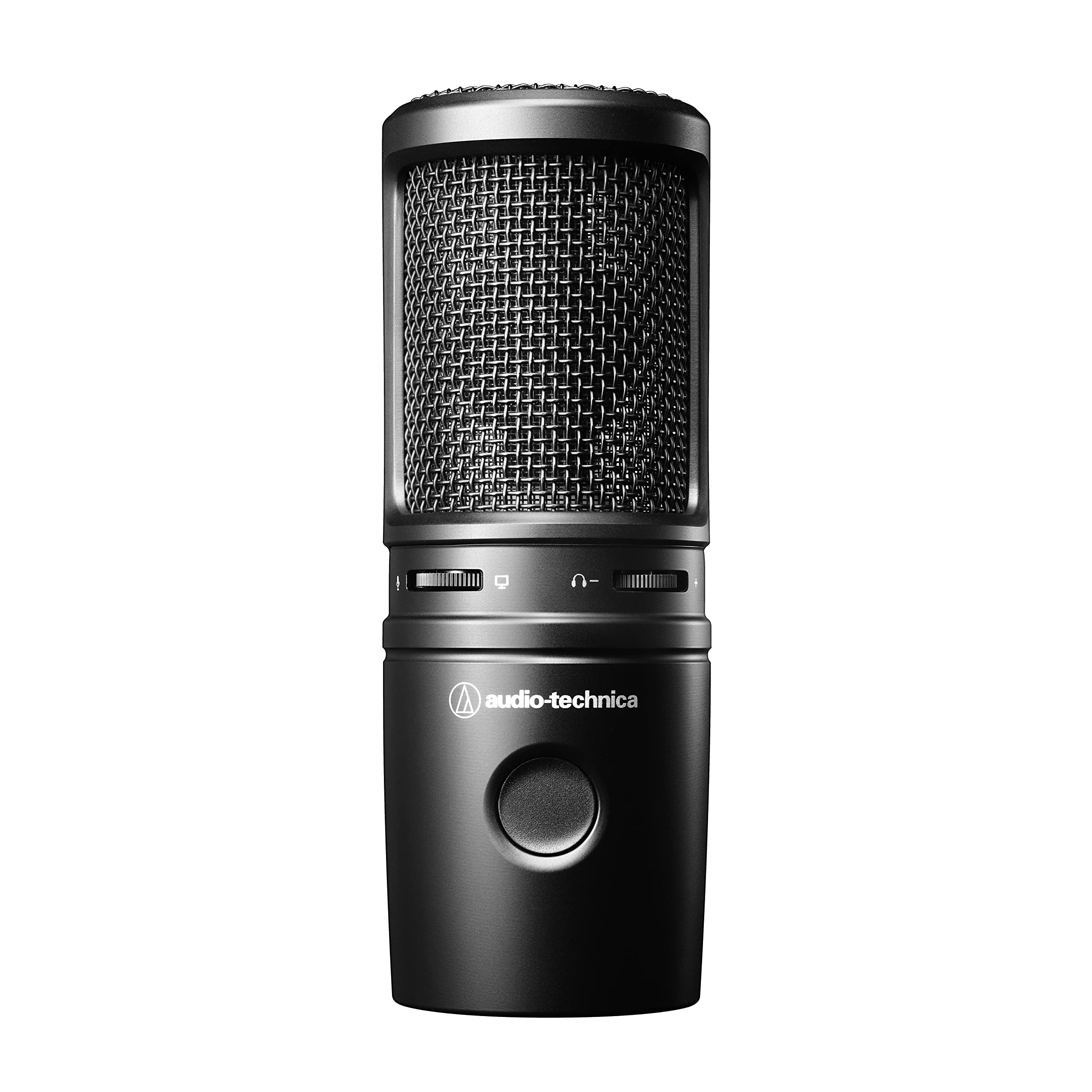
The Audio-Technica AT2020USB-X captures detailed, transparent sound perfect for vocalists and musicians recording at home.
Key highlights
- Condenser capsule that captures detailed audio
- High-resolution AD convertor with 24-Bit/96 kHz sampling rate
- USB-C connectivity with headphone monitoring
- Same capsule as popular AT2020 studio microphone
- Includes headphone level control and mix control dials
Pros
- Excellent for vocal and instrument recording
- High-resolution capture preserves audio detail
- Good build quality with familiar studio design
- Includes useful monitoring and mixing controls
Cons
- Very sensitive to room noise and reflections
- Requires quiet recording environment
- May pick up computer fan and keyboard noises
Who it is for: Musicians and vocalists who need detailed audio capture for home recording.
Skip if
You record in untreated rooms or need background noise rejection.
Also Good
- Logitech Blue Yeti - versatile classic for beginner creators.
- Elgato Wave:3 - Streamer-focused microphone with Clipguard technology to prevent distortion.
- Maono PD200W - wireless podcast mic with great noise reduction.
- Rode NT-USB+ - studio vocal clarity with onboard processing.
How to Choose
Consider these factors when selecting your USB microphone:
Recording environment matters most. Dynamic microphones like the Shure MV7+ work better in noisy, untreated spaces because they reject background noise. Condenser microphones like the Audio-Technica AT2020USB-X capture more detail but also pick up more room sound, requiring quieter environments.
Connectivity affects future flexibility. USB-only microphones are simpler to use, while USB/XLR hybrids like the Shure MV7+ let you upgrade to professional audio interfaces later without replacing your microphone.
Polar patterns determine recording capability. Cardioid patterns work best for solo recording, while multiple patterns (like on the HyperX QuadCast 2 S) allow for interviews, roundtables, or stereo recording.
Controls and software impact usability. Physical controls make adjustments easier during recording, while companion software can add processing like noise reduction and compression.
Build quality and accessories affect long-term use. Sturdy construction lasts longer, and included stands or shock mounts can improve recording quality immediately.
FAQ
What's the difference between USB and XLR microphones?
USB microphones have built-in audio interfaces, making them plug-and-play with computers. XLR microphones require separate audio interfaces but offer more flexibility and potentially better sound quality in professional setups.
Do I need a pop filter with a USB microphone?
Most USB microphones benefit from pop filters, which reduce plosive sounds (like "p" and "b" sounds). Some models include built-in pop protection, but external filters often provide better results.
How far should I be from my USB microphone?
For most voice recording, position yourself 3-6 inches from the microphone. This captures clear audio while minimizing room noise. Experiment to find what sounds best for your voice and microphone.
Can I use a USB microphone with my phone or tablet?
Many modern USB microphones work with phones and tablets using appropriate adapters. Check your microphone's compatibility before purchasing.
Do USB microphones work on both Mac and Windows?
Most USB microphones are class-compliant, meaning they work on both Mac and Windows without additional drivers. Always verify compatibility for your specific operating system.
Share this article
More in News
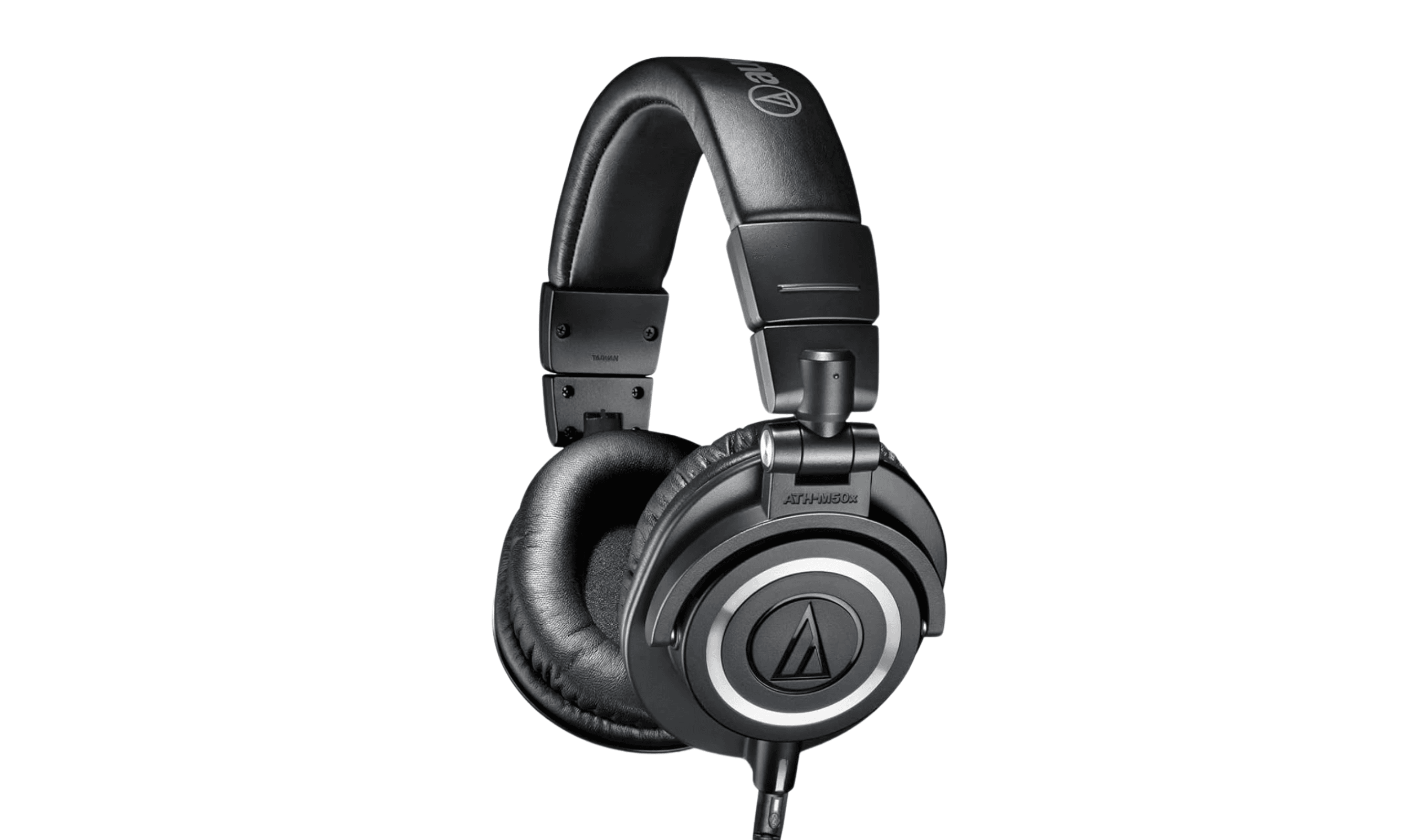
5 Best Headphones for Drummers in 2026
The best headphones for drummers, from the Audio-Technica ATH-M50X at around $159 to budget Vic Firth isolation cans, tested for hearing protection and clear click tracks.
3 min read
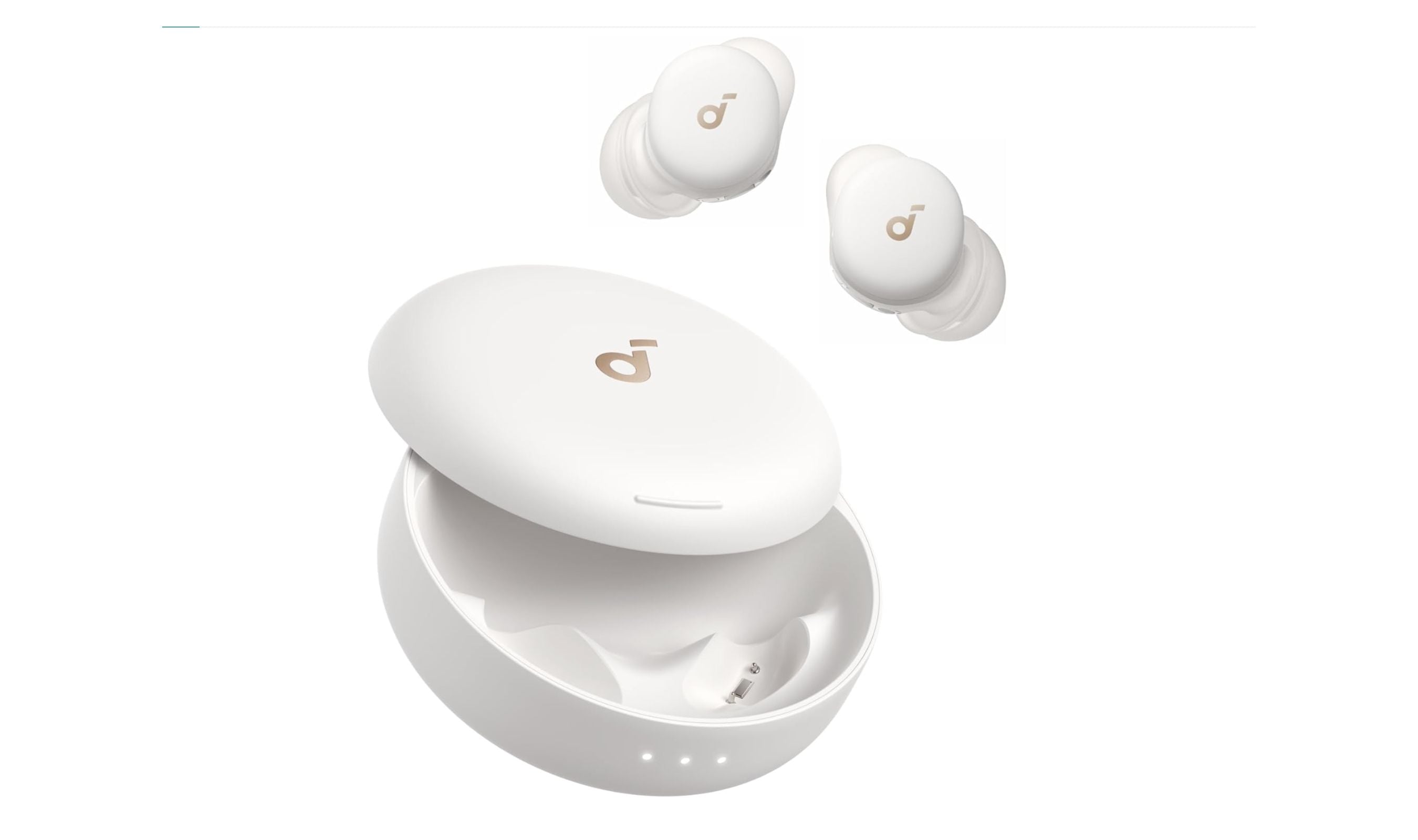
Best Sleep Earbuds for 2026
Soundcore Sleep A30 Special leads our picks for 2026. Find the best sleep headphones for side sleepers, value, and noise blocking.
5 min read
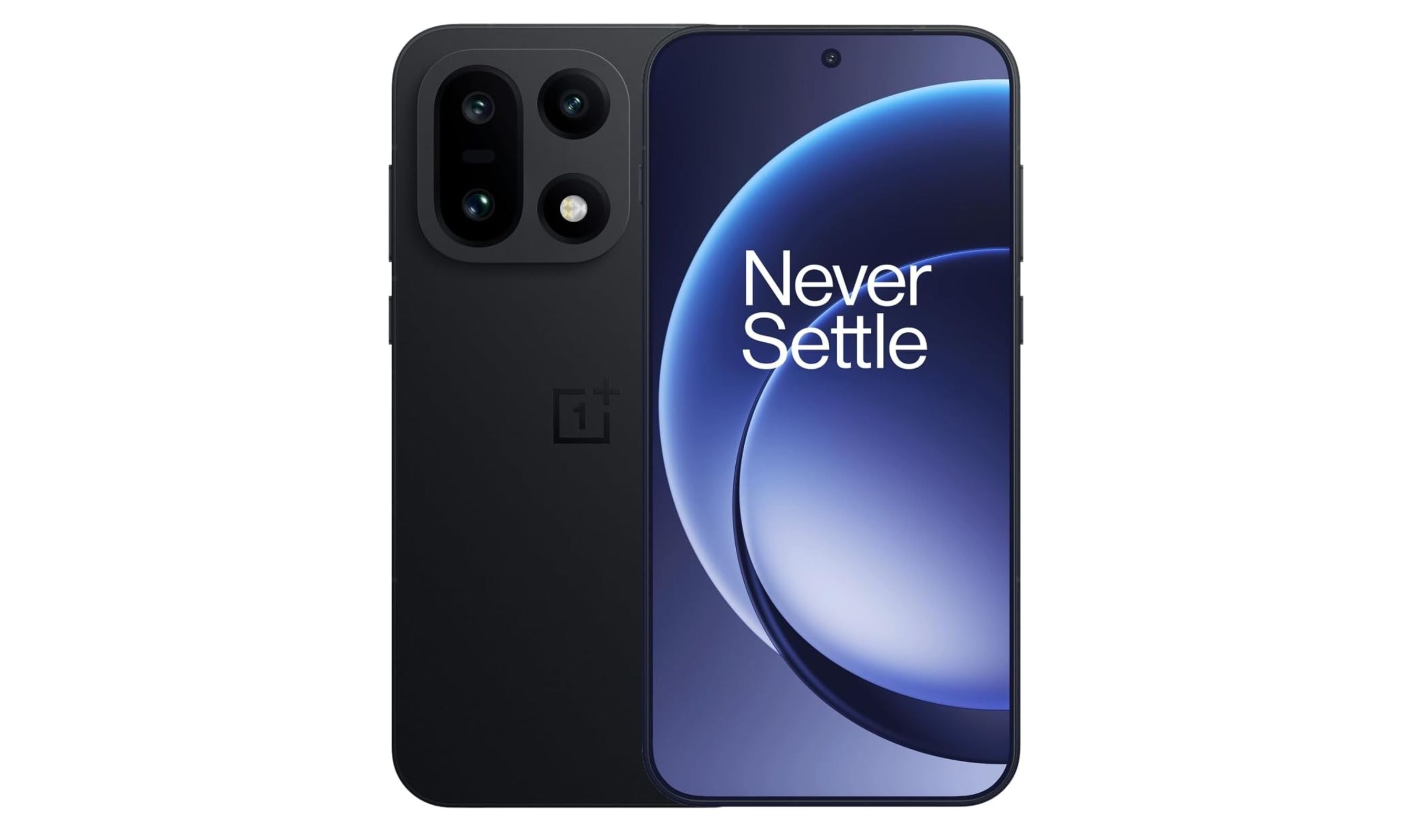
9 Best Smartphones With the Longest Battery Life for 2026
We tested the longest-lasting phones of 2026, from the two-day OnePlus 15 with its 7,300mAh battery to the Moto G under $200. Find the best pick for your budget.
3 min read
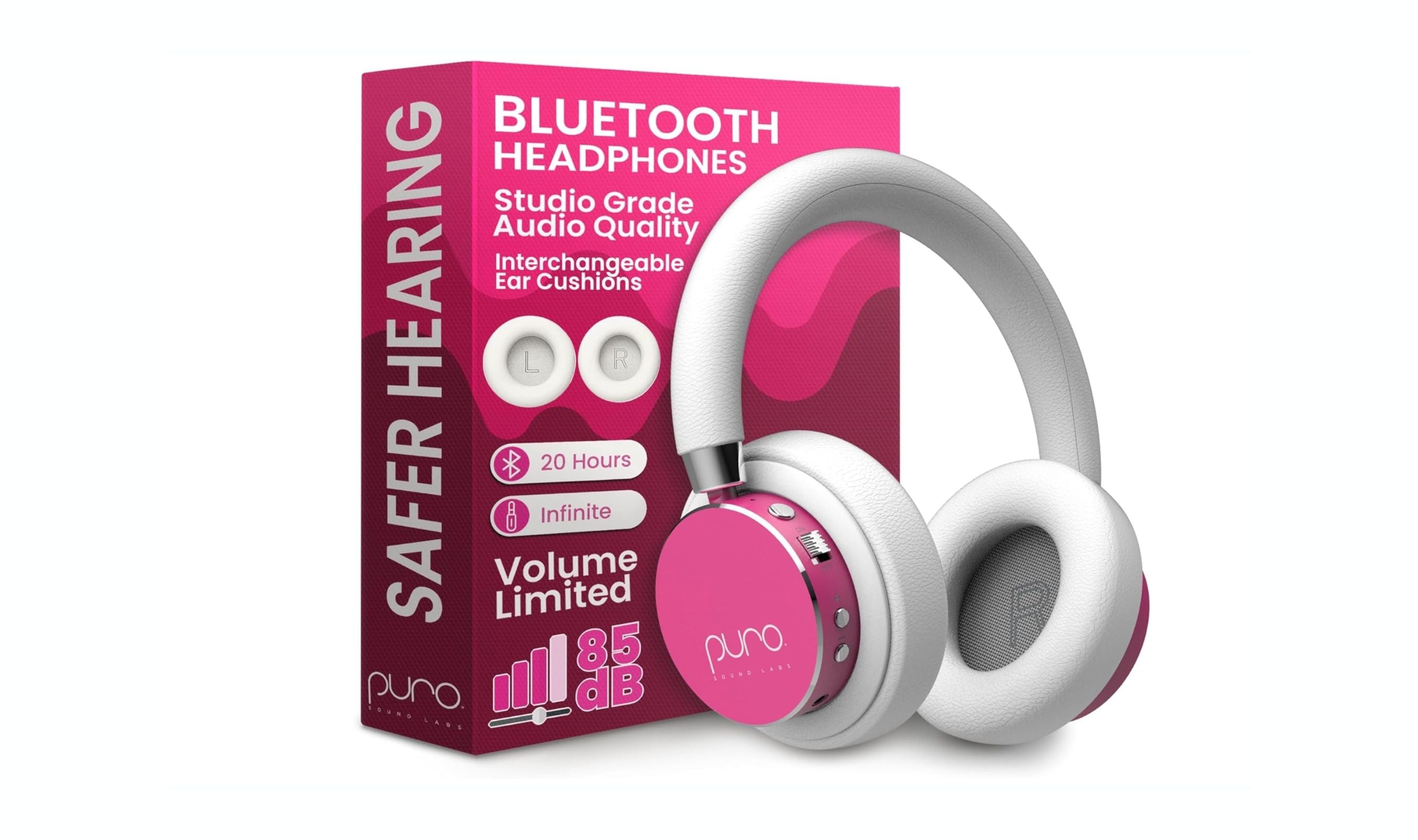
Best Headphones for Kids in 2026
Puro Sound Labs BT2200-Plus leads our picks for safe, durable kids headphones. Compare top models for travel, value, and hearing protection in 2026.
5 min read
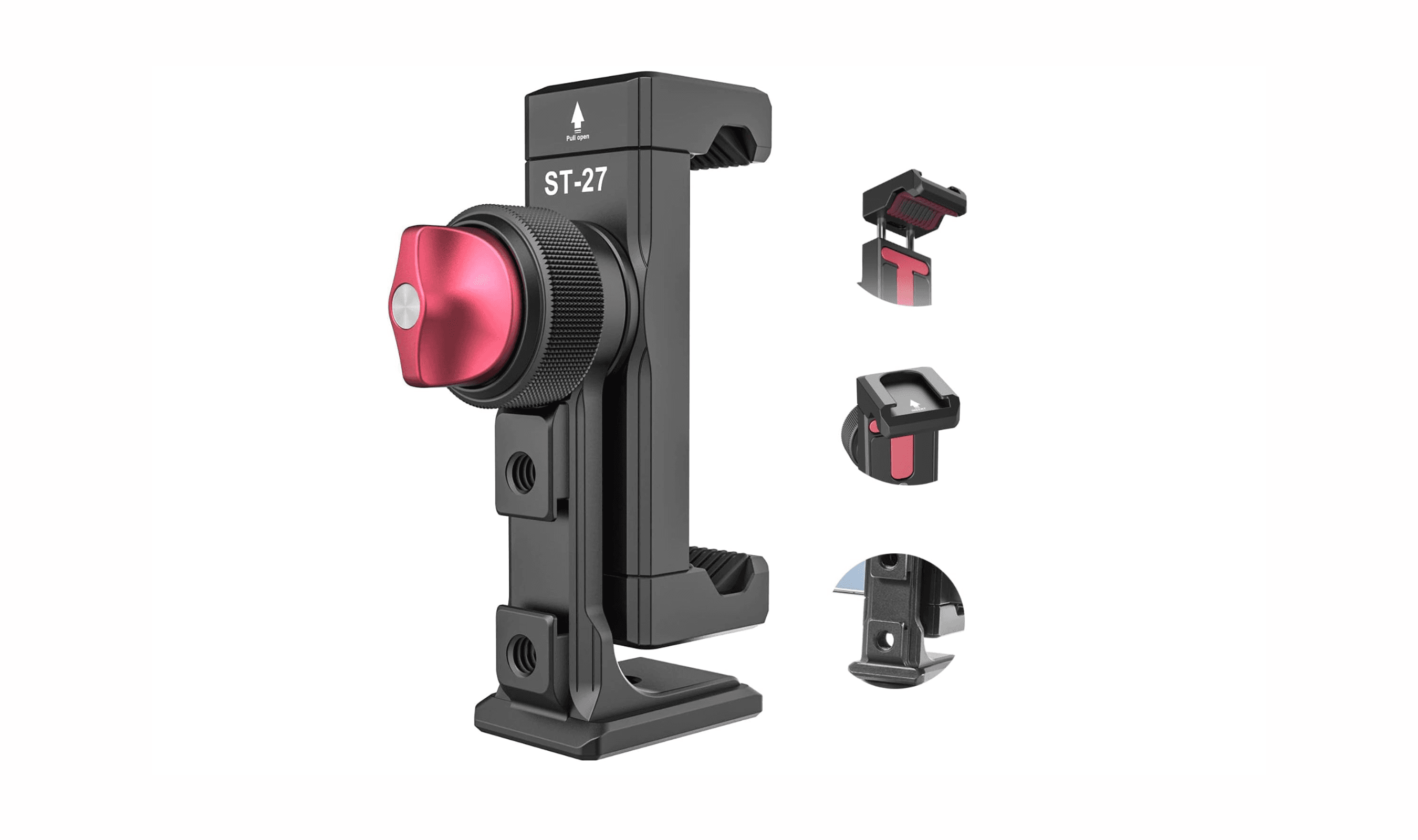
Best Phone Tripod Mounts for 2026
5 min read
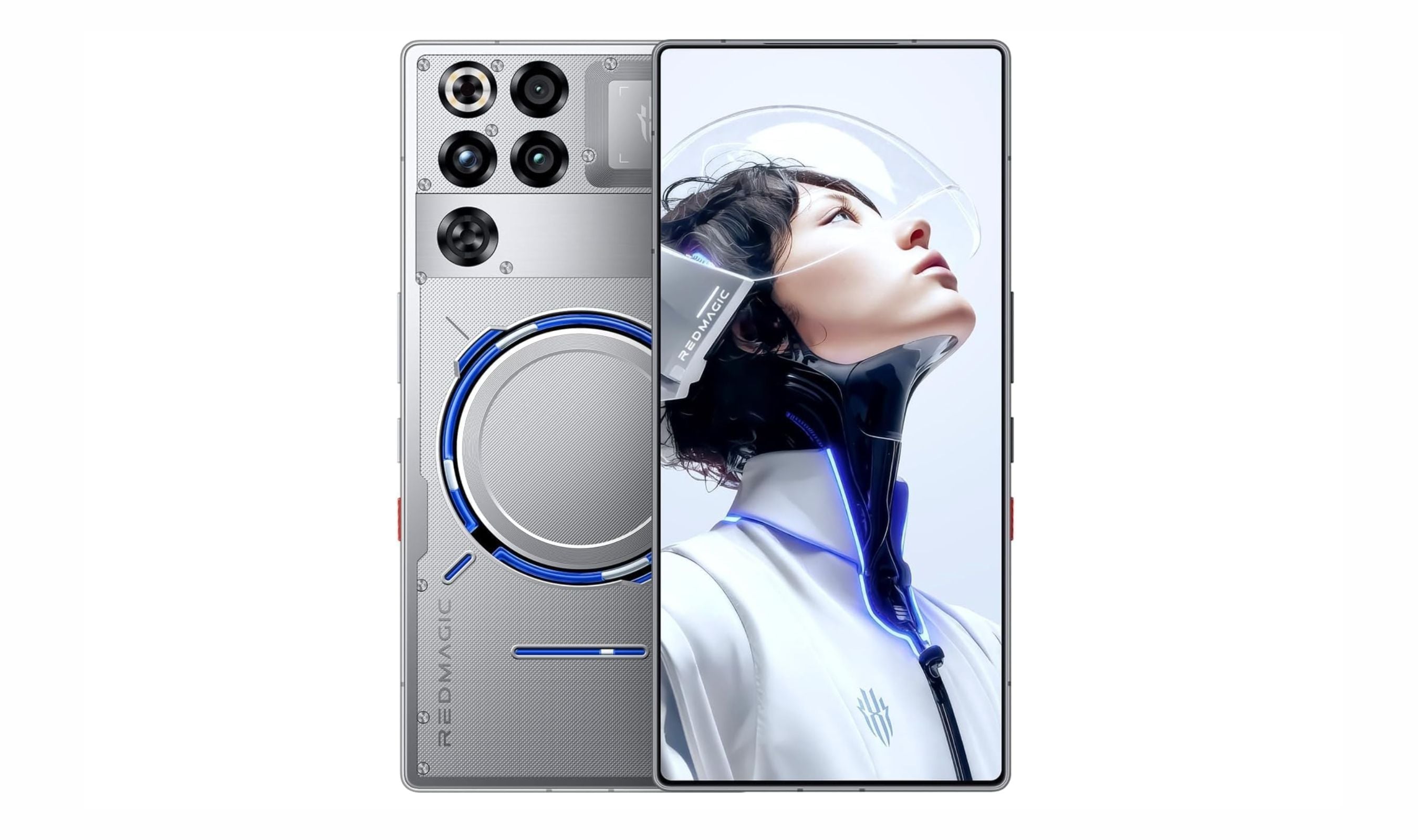
Best Smartphones for Gaming in 2026
4 min read
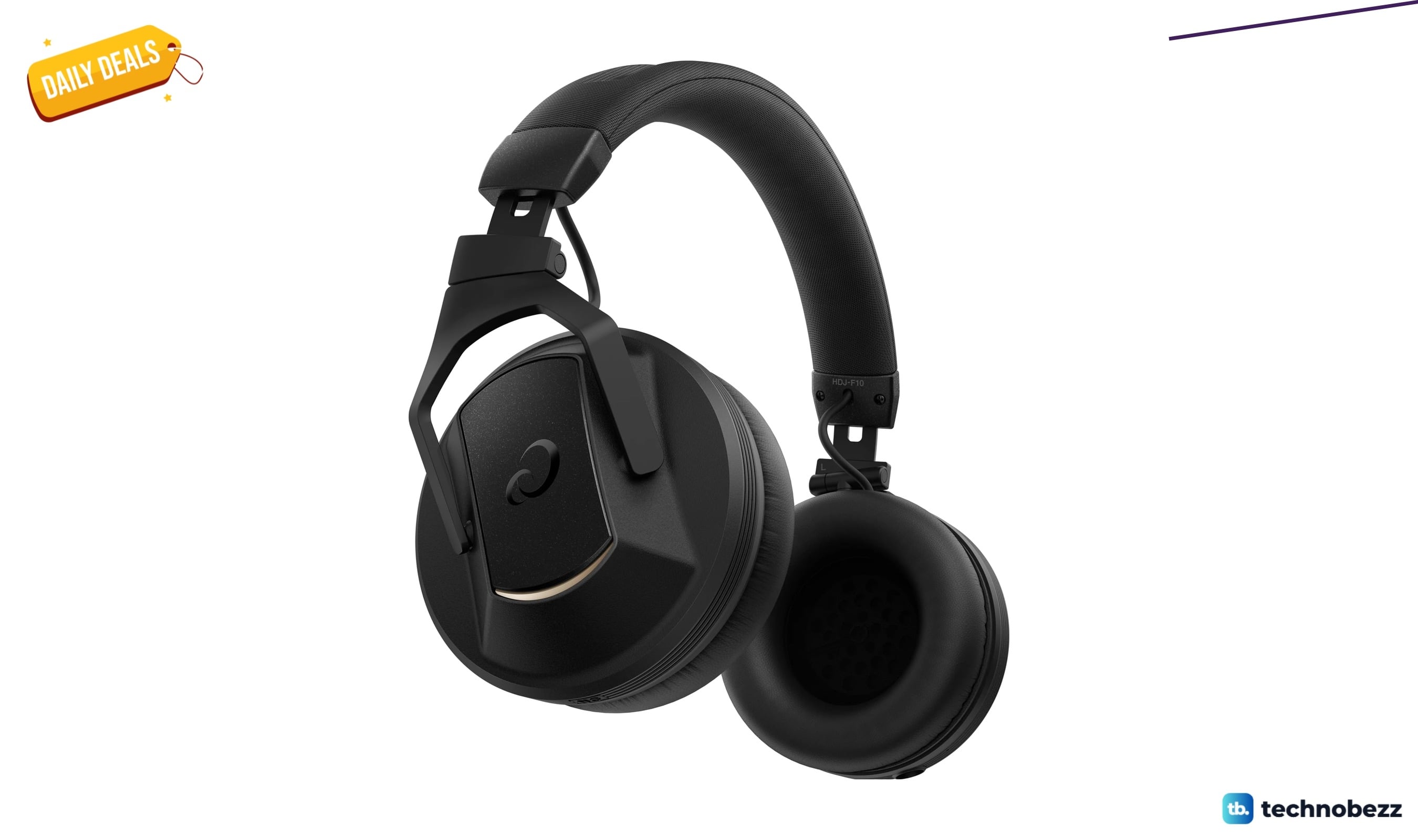
3 headphone deals hitting new lows, starting at $106.42
4 min read
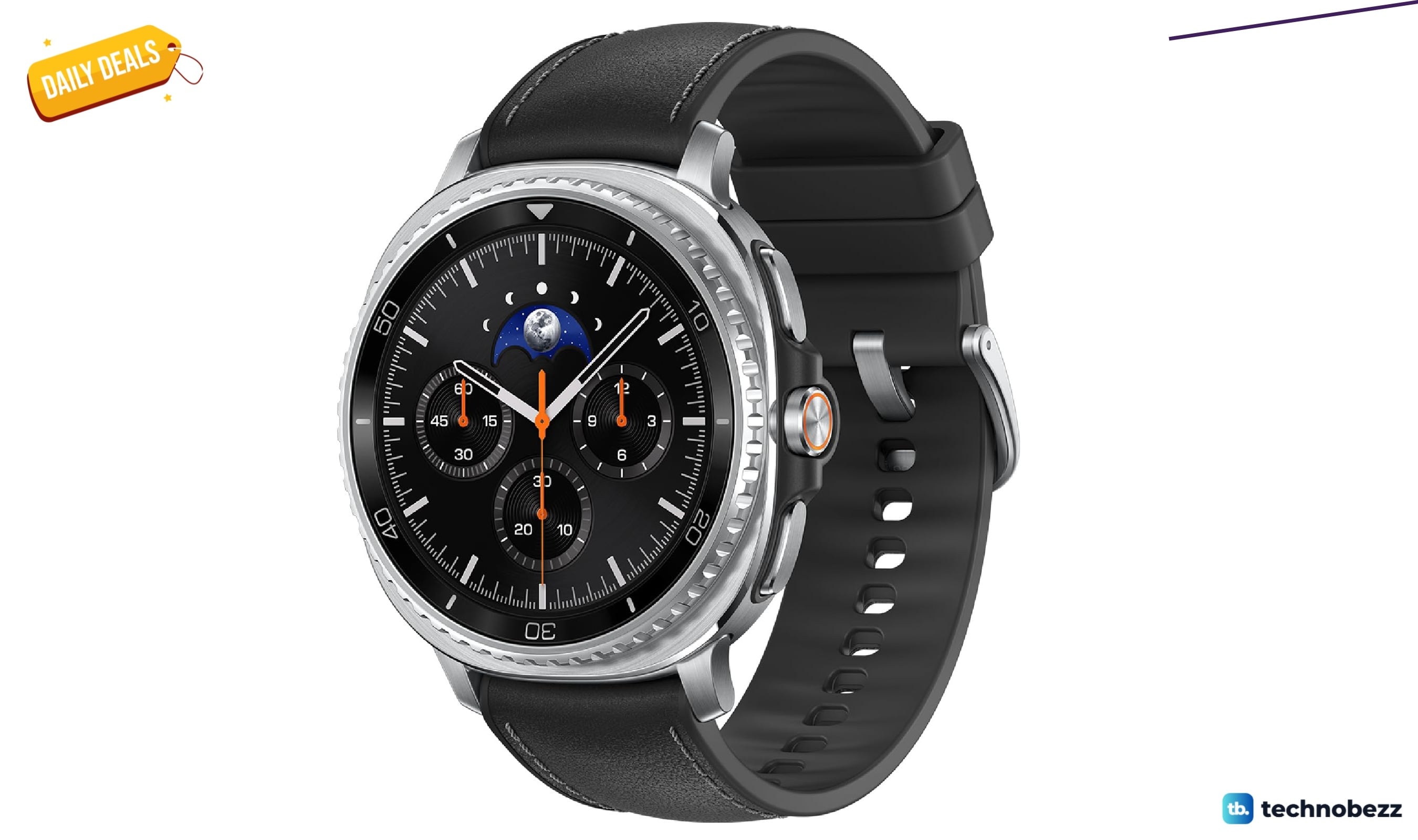
Samsung Galaxy Watch 8 Classic 46mm LTE drops to $412 at Amazon
3 min read
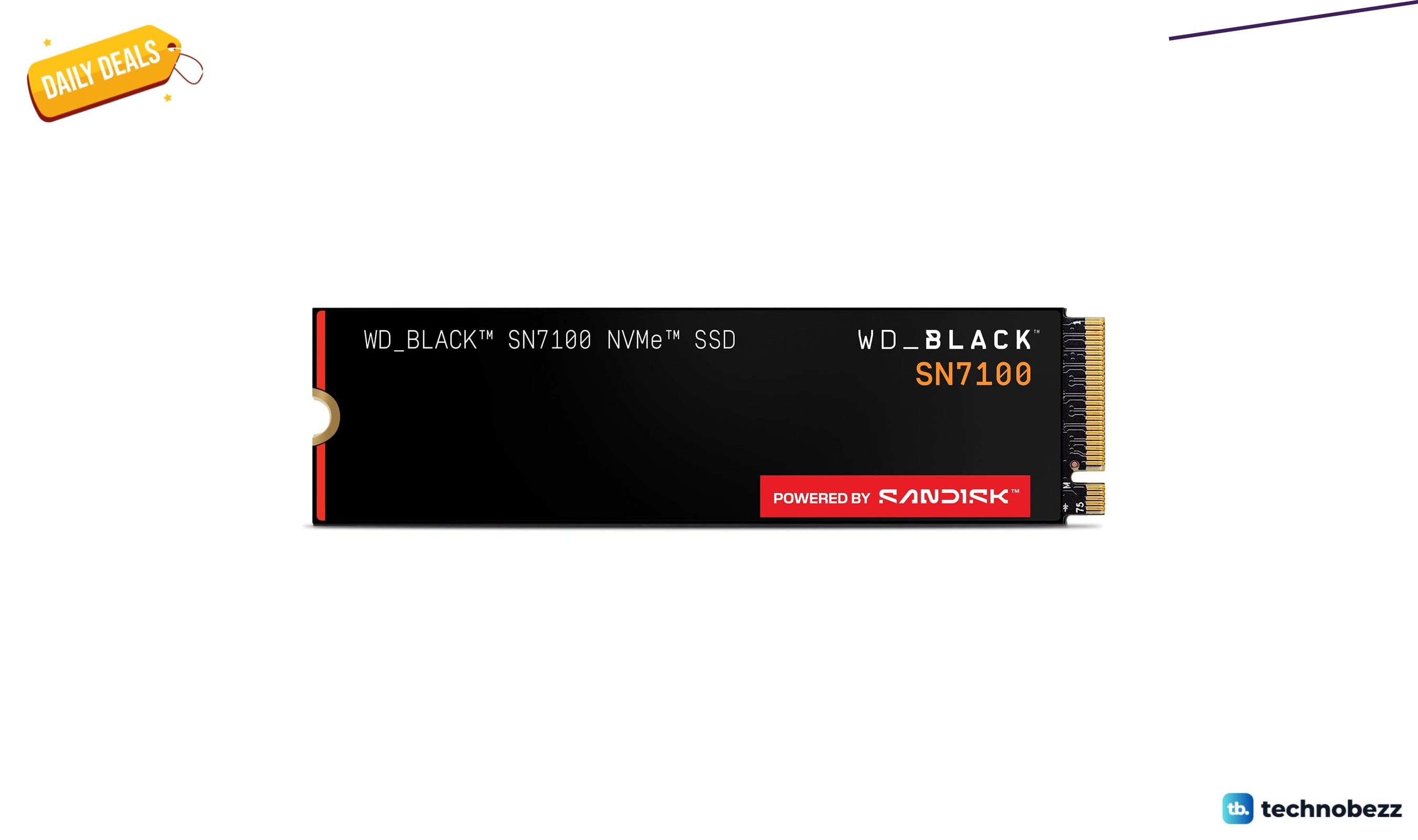
WD_Black SN7100 2TB Gen4 NVMe SSD drops to $242.96 on Amazon
5 min read
Western Digital WD Red Plus NAS Internal drops to $357.99 from $459.99
4 min read
SANDISK Creator Pro Portable SSD drops to $260.99 on Amazon
3 min read
Oura Ring Gen3 Heritage Silver drops to $199 in latest price cut
4 min read