The NETGEAR Nighthawk CM3000 is the best cable modem for most high-end cable plans because it combines DOCSIS 3.1 Mid/High-Split support with a stronger Ethernet layout than basic one-port models.
Technobezz is supported by its audience. We may get a commission from retail offers.
6 Best Cable Modems in 2026
NETGEAR Nighthawk CM3000 is the top pick for fast cable plans, flexible Ethernet, and stronger upload headroom.
T
Technobezz
Editorial Team
Updated August 25, 2026Aug 25, 2026
•10 min read

Get Deals Like These in Your Inbox
The best prices, checked by our editors.
Choose a modem by matching provider approval, DOCSIS support, Ethernet speed, upload capability, and voice needs. This roundup focuses on standalone cable modems for US cable internet, including a value pick, gigabit-friendly models, a compact option, and a current SURFboard upgrade.
At a Glance
| Category | Product | Why We Picked It |
|---|---|---|
| Best overall | NETGEAR Nighthawk CM3000 | Premium DOCSIS 3.1 modem with fast-upload headroom and flexible Ethernet |
| Best value | Hitron CODA56 | Strong 2.5GbE DOCSIS 3.1 specs without premium-brand pricing |
| Best for sub-gig next-gen plans | NETGEAR Nighthawk CM2500 | Mid/High-Split DOCSIS 3.1 support for faster uploads on sub-gig plans |
| Best for standard gigabit plans | ARRIS SURFboard SB8200 | Proven DOCSIS 3.1 choice for gigabit and below cable plans |
| Best compact modem | Motorola B12 | Compact DOCSIS 3.1 modem with 2.5Gbps-class downstream capability |
| Best current SURFboard upgrade | ARRIS SURFboard S34 | Current SURFboard DOCSIS 3.1 modem with 2.5GbE and a second Ethernet port |
How we chose
We prioritized DOCSIS 3.1 standalone cable modems that fit real US cable internet upgrades. The key criteria were provider compatibility considerations, advertised download and upload capability, Ethernet port layout, link aggregation support, voice compatibility, router flexibility, and the value each model delivers for its intended speed tier.
The best cable modems right now
NETGEAR Nighthawk CM3000 - Best overall
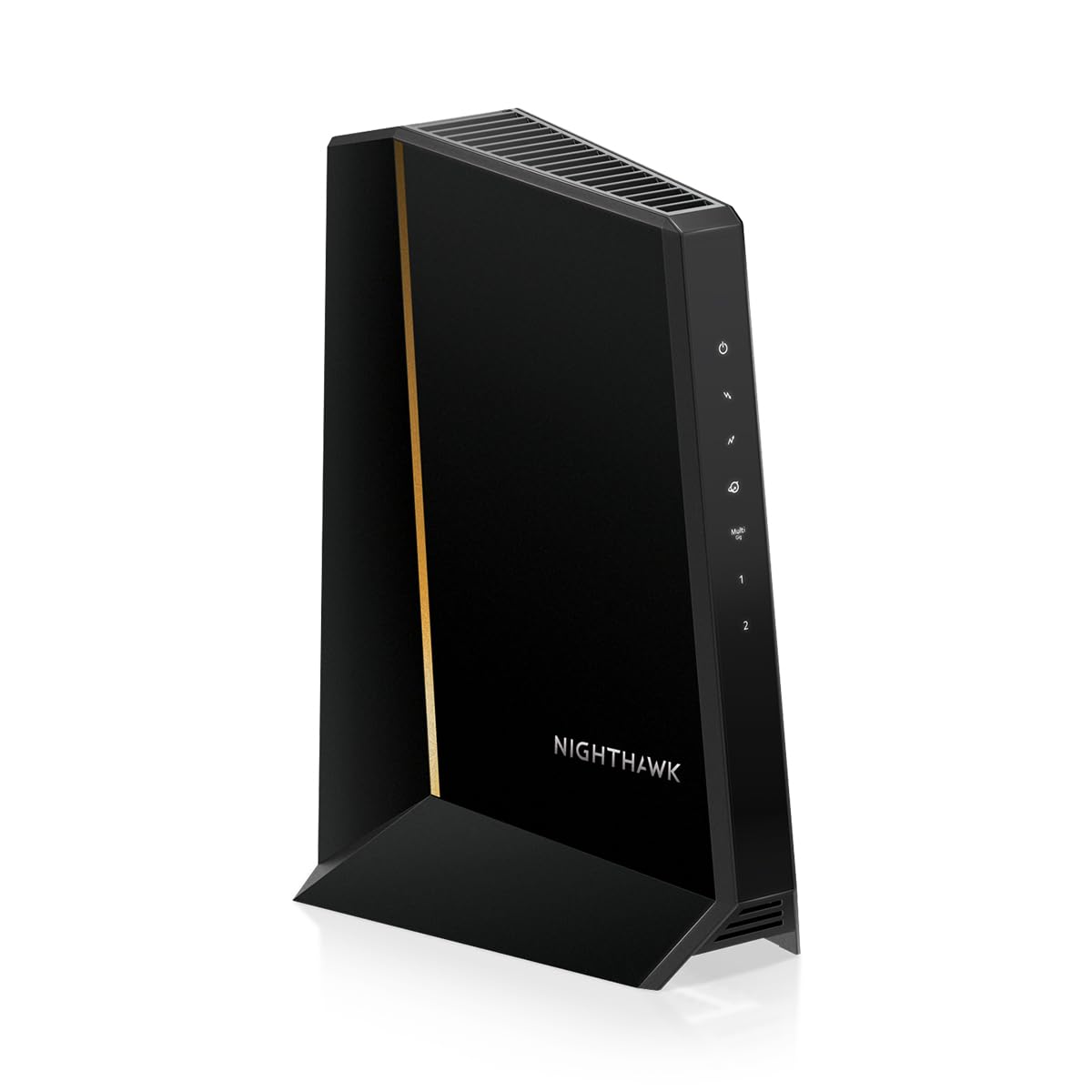
The NETGEAR Nighthawk CM3000 is the strongest all-around pick for high-end cable internet users who want a standalone modem. It supports DOCSIS 3.1 Mid/High-Split and lists up to 2.5Gbps download with up to 1Gbps upload.
Its Ethernet setup gives you more room than a basic single-port modem: one 2.5GbE port, two 1GbE ports, and link aggregation. That layout pairs well with a high-end Wi-Fi 6E or Wi-Fi 7 router.
Provider certification still controls the real speed tier at your address, and there is no Xfinity Voice support. For fast cable plans without bundled phone service, this is the cleanest premium option here.
Key highlights
- DOCSIS 3.1 Mid/High-Split
- Up to 2.5Gbps download
- Up to 1Gbps upload
- One 2.5GbE port plus two 1GbE ports
- Link aggregation
- 6.8 x 3.7 x 8.2 inches
Pros
- Newest high-end NETGEAR standalone modem class
- Mid/high-split support targets faster upload tiers
- Flexible port layout compared with one-port modems
- Good match for high-end Wi-Fi 6E or Wi-Fi 7 routers
Cons
- Usually pricey
- No Xfinity Voice support
- Provider certification still determines real plan speeds
Who it's for
Households with a top cable plan get a premium standalone modem with fast-upload headroom.
Skip if
Plans at 1Gbps or below do not need this much upload-focused capability.
Hitron CODA56 - Best value
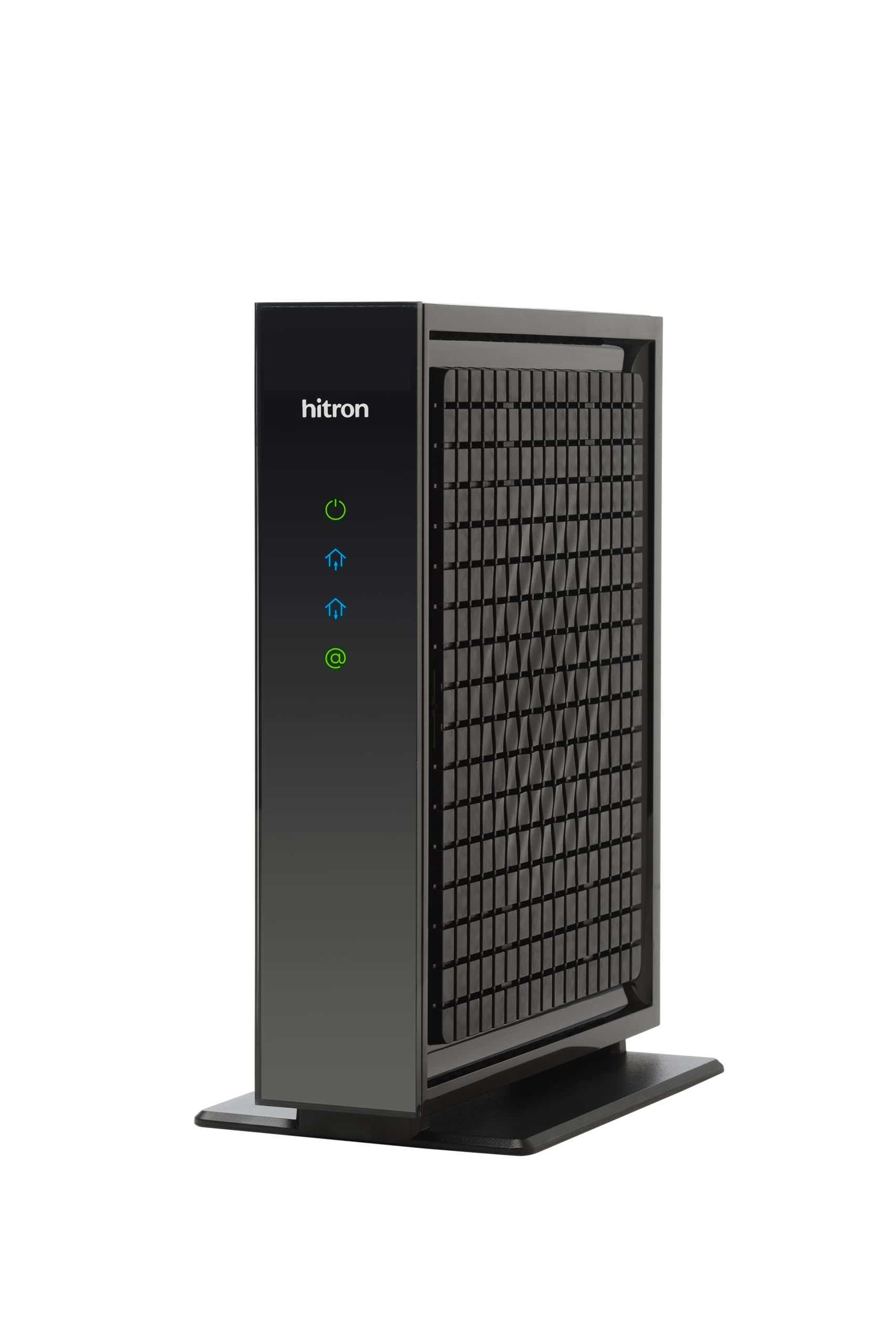
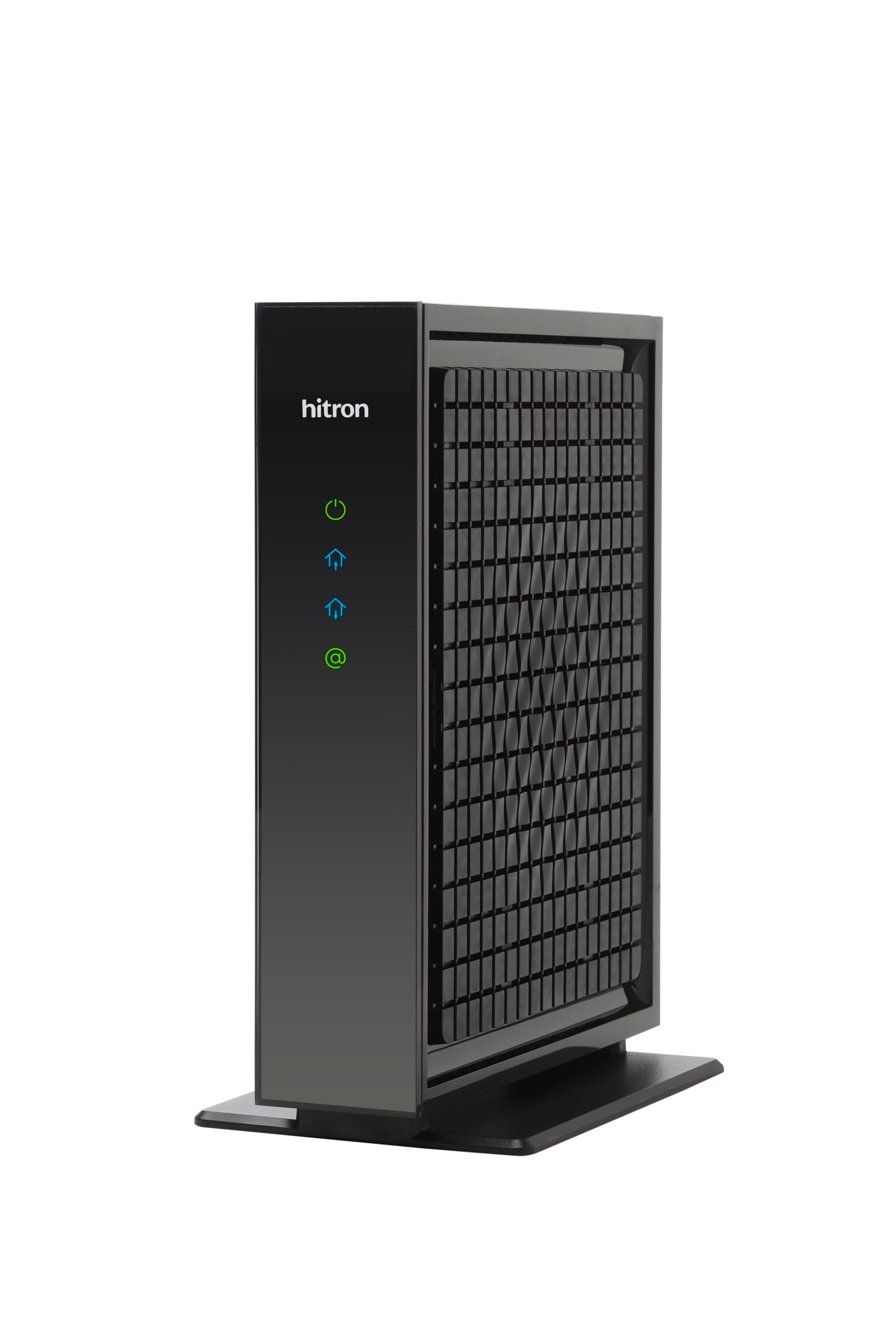
Hitron CODA56 is the value play for buyers who already own a router and want a modem built for faster cable service. It supports DOCSIS 3.1, with backward compatibility for DOCSIS 3.0 and 2.0.
The single 2.5GbE port is the key upgrade over older gigabit-only hardware. Hitron lists up to 2.5 Gbps download and up to 1 Gbps upload, with 32x8 SC-QAM bonded channels plus 2 OFDM and 2 OFDMA.
This is a focused modem-only box. Its compact square design is easy to place, but there is no built-in Wi-Fi, no voice support, and no second Ethernet port.
Key highlights
- DOCSIS 3.1
- Backward compatible with DOCSIS 3.0 and 2.0
- Up to 2.5 Gbps download
- Up to 1 Gbps upload
- One 2.5GbE port
- 2.02 x 6.73 x 6.73 inches
Pros
- Strong price-to-spec ratio for a 2.5GbE DOCSIS 3.1 modem
- Certified/approved by major US cable providers listed by Hitron
- Compact square design
- Good fit for shoppers who already own a mesh router
Cons
- Only one Ethernet port
- No Wi-Fi or voice support
- Less premium brand recognition than ARRIS or NETGEAR
Who it's for
Buyers who want multi-gig-ready cable modem hardware without premium-brand pricing should start here.
Skip if
Households that need multiple LAN ports on the modem or bundled phone service need another model.
NETGEAR Nighthawk CM2500 - Best for sub-gig next-gen plans
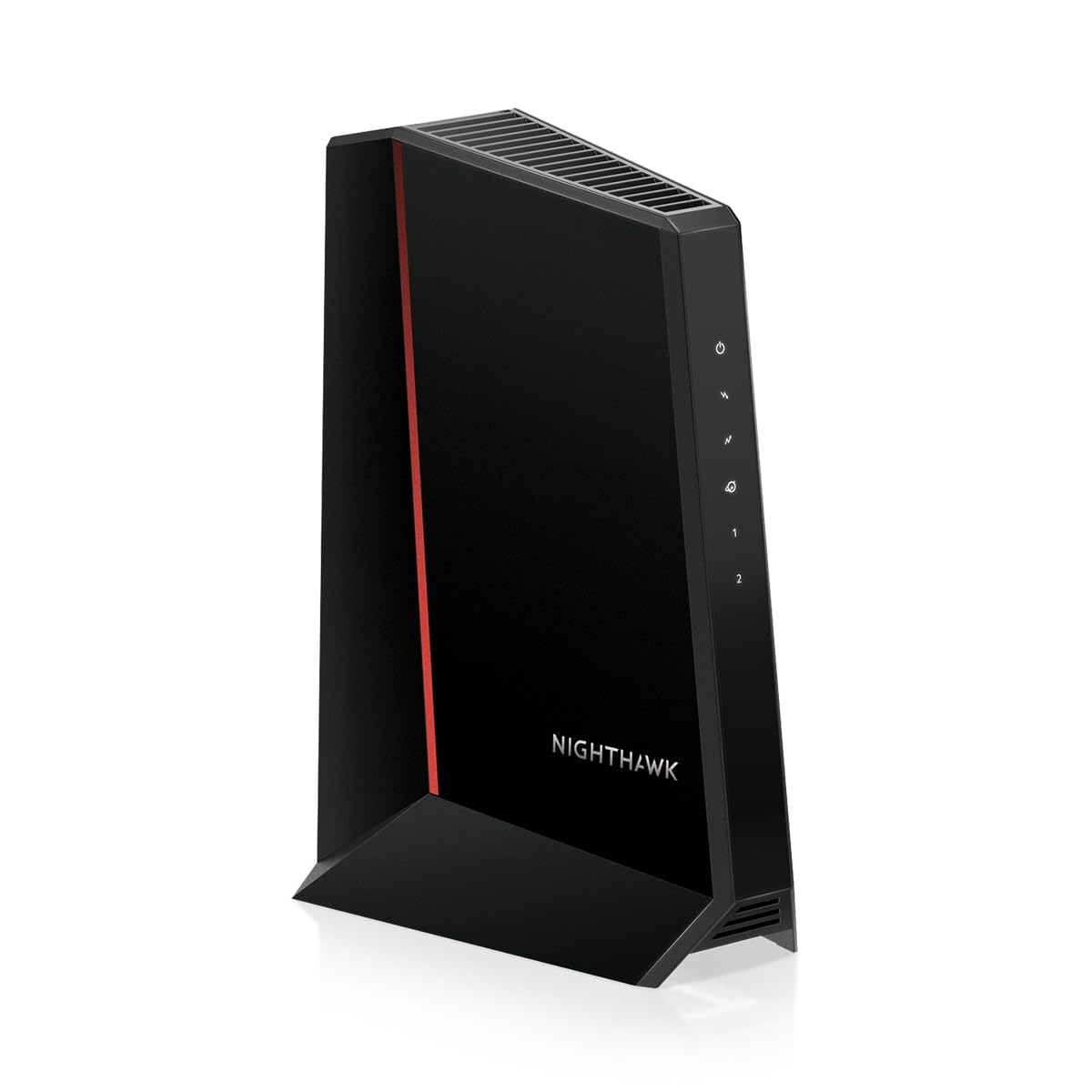
For cable customers moving into faster upload tiers without stepping into true multi-gig downloads, the NETGEAR Nighthawk CM2500 hits a useful middle ground. It brings DOCSIS 3.1 Mid/High-Split support and lists up to 1Gbps upload.
Downloads can reach up to 2Gbps with link aggregation, but the hardware uses two 1GbE ports instead of one 2.5GbE port. That makes router compatibility more important than it is with simpler multi-gig wiring.
There is no built-in wireless router and no voice support. Pick it for a modem-only setup when your router can take advantage of WAN aggregation.
Key highlights
- DOCSIS 3.1 Mid/High-Split
- Up to 2Gbps download with link aggregation
- Up to 1Gbps upload
- Two 1GbE ports
- Link aggregation
- No voice or built-in wireless router
Pros
- Lower-cost NETGEAR path into mid/high-split DOCSIS 3.1
- Good for faster upload tiers on plans below true multi-gig
- Dual gigabit ports support aggregation with compatible routers
- Actively sold on NETGEAR’s product page
Cons
- No single 2.5GbE LAN port
- Link aggregation is less convenient than one multi-gig port
- Not compatible with cable voice bundles
Who it's for
Homes with next-gen upload support and download service around 1Gbps or less are the right fit.
Skip if
Routers without WAN aggregation or buyers who want simple 2.5GbE wiring should choose a different modem.
ARRIS SURFboard SB8200 - Best for standard gigabit plans
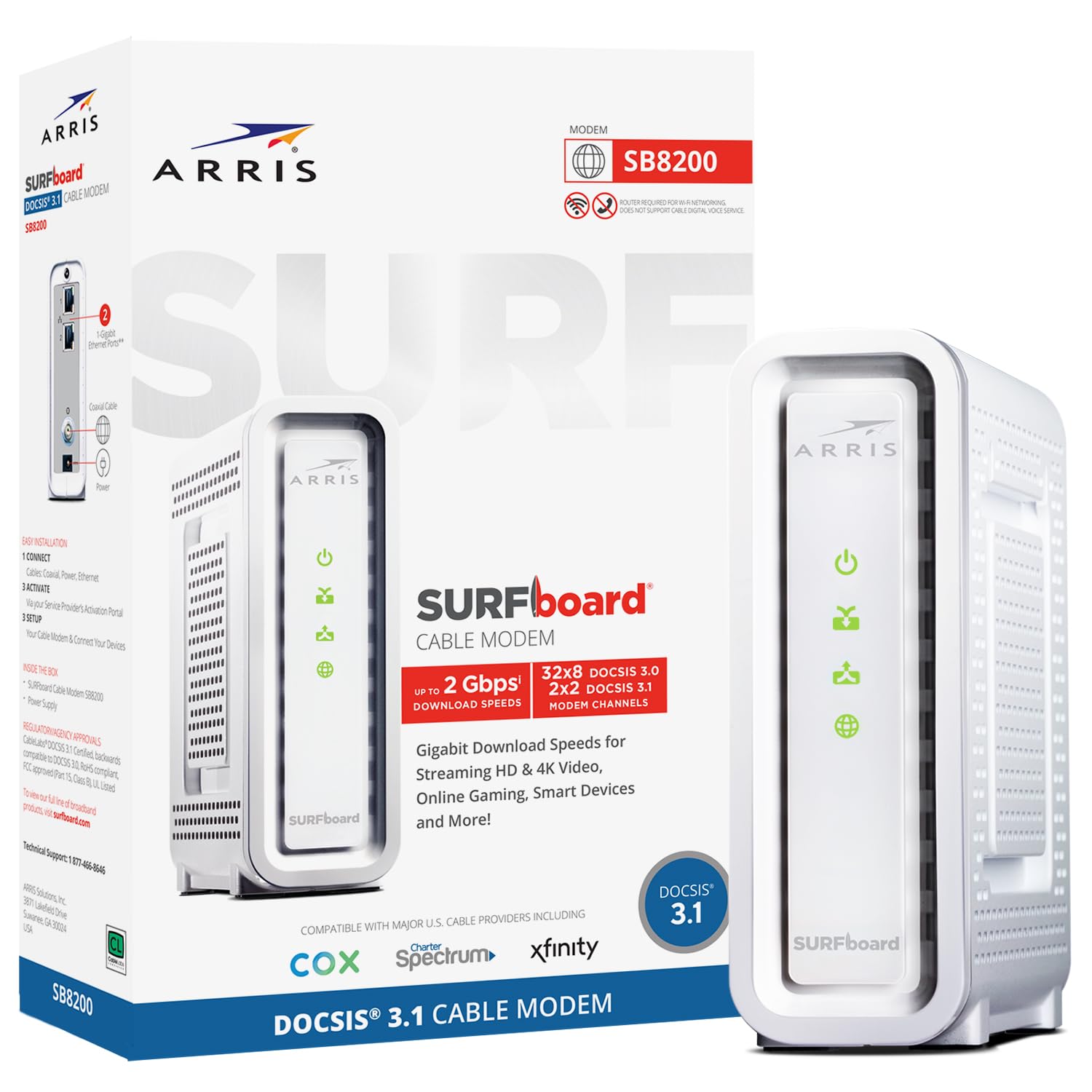
ARRIS SURFboard SB8200 is the practical pick for cable plans that top out at standard gigabit or below. ARRIS rates it as best for cable internet speed plans up to 1Gbps, and it uses DOCSIS 3.1.
Two 1GbE ports give it more flexibility than many basic budget models. Channel support includes 2 downstream x 2 upstream OFDM DOCSIS 3.1 plus 32 downstream x 8 upstream DOCSIS 3.0.
The limitation is clear: there is no 2.5GbE port for over-provisioned gigabit or multi-gig service. It also leaves out voice support and built-in Wi-Fi.
Key highlights
- DOCSIS 3.1
- Best for cable internet speed plans up to 1Gbps
- Two 1GbE ports
- 2 downstream x 2 upstream OFDM DOCSIS 3.1
- 32 downstream x 8 upstream DOCSIS 3.0
- No voice or built-in Wi-Fi
Pros
- Long-running, widely supported DOCSIS 3.1 workhorse
- Enough for many 1Gbps cable plans
- Two Ethernet ports offer more flexibility than one-port budget models
- Often cheaper than newer 2.5GbE models
Cons
- No 2.5GbE port for over-provisioned gigabit or multi-gig service
- Not the best pick for next-gen upload tiers
Who it's for
Households on standard gigabit or below get a proven standalone modem here.
Skip if
Anyone paying for multi-gig downloads or enhanced uploads should move to a newer fit.
Motorola B12 - Best compact modem
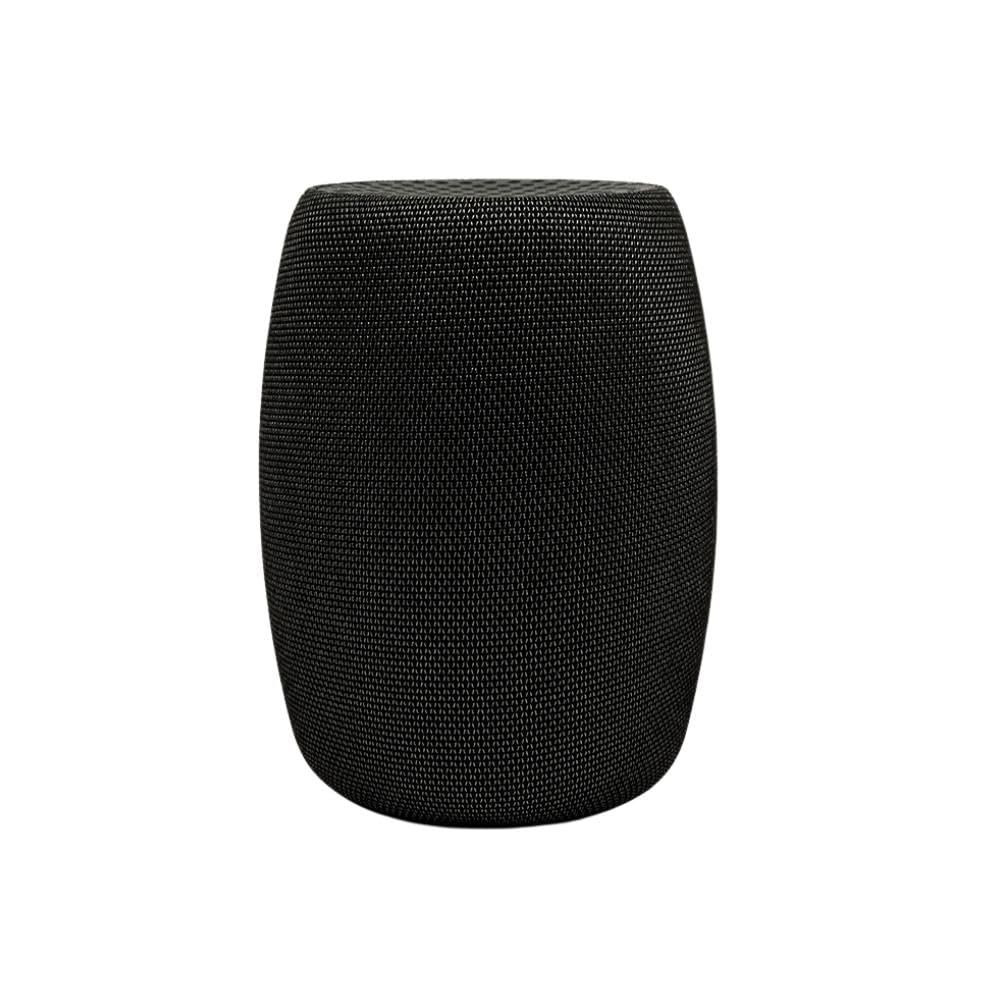
Motorola B12 keeps the modem footprint simple for buyers who want a compact DOCSIS 3.1 setup. It also supports 32x8 DOCSIS 3.0 and is designed to pair with any router.
The listed downstream data rate reaches up to 2.5Gbps, while upstream data rate reaches up to 766Mbps. Bonding support is up to 32 SCQAM or 2 OFDM downstream and up to 8 SCQAM or 2 OFDMA upstream.
Its tradeoff is track record. The owner-review base is smaller than older Motorola MB8611 or ARRIS models, so provider approval by address matters before purchase.
Key highlights
- DOCSIS 3.1 plus 32x8 DOCSIS 3.0
- Up to 2.5Gbps downstream data rate
- Up to 766Mbps upstream data rate
- Up to 32 SCQAM or 2 OFDM downstream bonding
- Up to 8 SCQAM or 2 OFDMA upstream bonding
- Pairs with any router
Pros
- Modern compact successor-style Motorola option
- 2.5Gbps downstream spec fits fast cable plans
- Simple modem-only setup for use with any router
- Good alternative if ARRIS/NETGEAR pricing is high
Cons
- Owner-review base is smaller than older Motorola MB8611 or ARRIS models
- No built-in Wi-Fi or phone ports
- Provider approval should be checked carefully by address
Who it's for
Buyers who want a small DOCSIS 3.1 modem with 2.5Gbps-class capability should consider it.
Skip if
Shoppers who want the most battle-tested model with years of owner feedback should look elsewhere.
ARRIS SURFboard S34 - Best current SURFboard upgrade
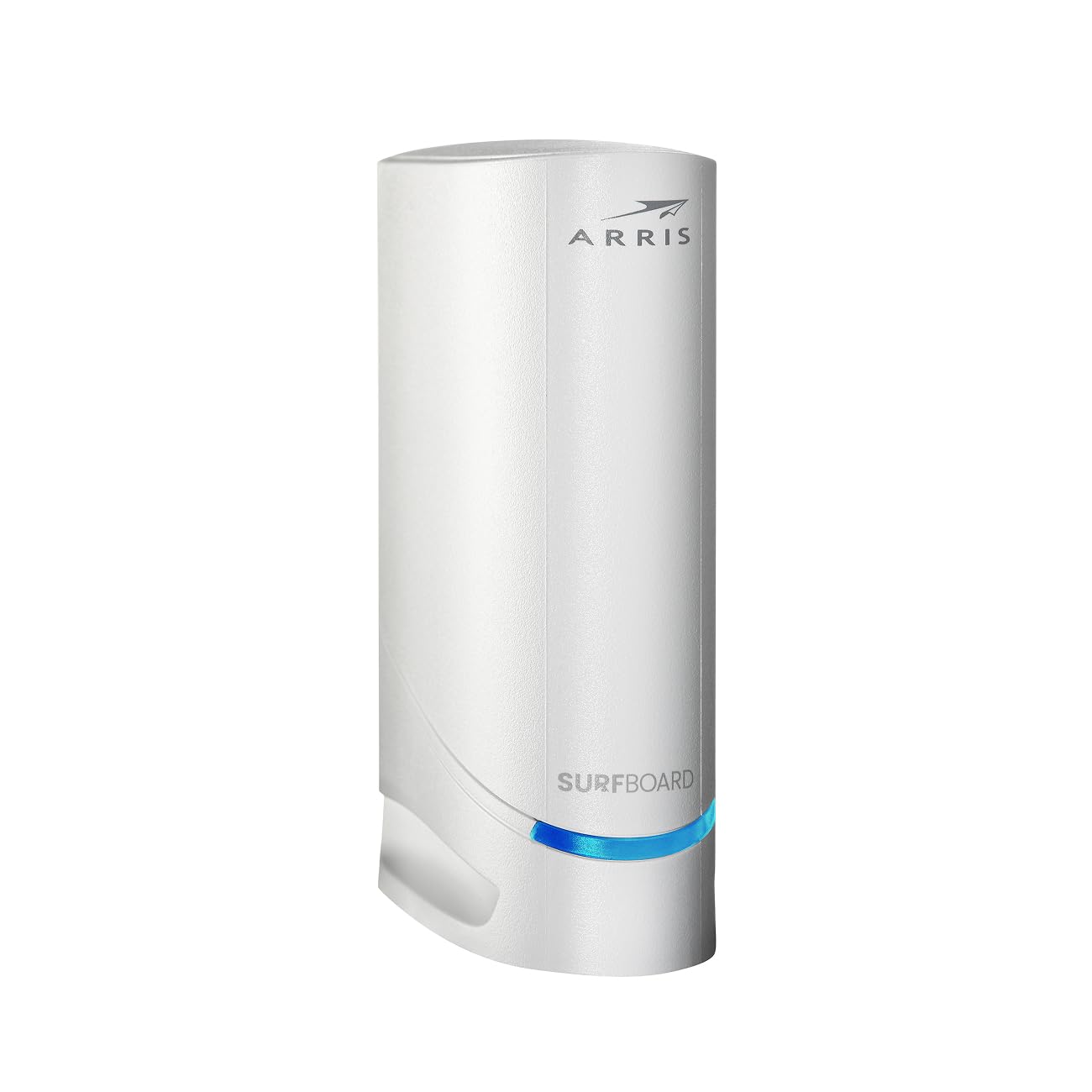
ARRIS SURFboard S34 is the current SURFboard upgrade for buyers who want a standalone DOCSIS 3.1 modem. It is designed for major US cable providers including Xfinity, Cox, and Spectrum, although activation and speed-tier approval still depend on the provider and address.
The port layout combines one 2.5GbE port with one 1GbE port, giving a compatible router more headroom than a basic one-port gigabit modem. ARRIS also positions the S34 for next-generation upstream tiers where the provider supports them.
This is a modem only, so it has no Wi-Fi or voice ports. Choose it for a current SURFboard platform while keeping the wireless router separate.
Key highlights
- DOCSIS 3.1
- One 2.5GbE port
- One 1GbE port
- Compatible with major US cable providers subject to approval
- Next-generation upstream support where available
- Separate router required
Pros
- Current SURFboard DOCSIS 3.1 model
- 2.5GbE port supports faster router uplinks
- Second 1GbE port adds flexibility
- Separate-modem design leaves Wi-Fi upgrades independent
Cons
- No built-in Wi-Fi
- No voice ports
- Provider approval still controls activation and tiers
Who it's for
You want a current SURFboard modem with a 2.5GbE router uplink.
Skip if
You need Xfinity Voice or an all-in-one Wi-Fi gateway.
How to Choose
- Check your provider approved-device list first. A modem chipset and ports matter, but the ISP configuration file determines whether it can activate and which speed tier it can use at your exact address.
- Buy DOCSIS 3.1 for almost everyone. DOCSIS 3.1 is the current sweet spot for US cable internet. DOCSIS 3.0 is now mostly a budget or legacy choice, while retail DOCSIS 4.0 options remain limited for customer-owned gear.
- Match the Ethernet port to your plan. A 1GbE port tops out around real-world gigabit speeds. For over-provisioned gigabit or 1.2Gbps-plus plans, prefer a 2.5GbE modem and a router with a 2.5GbE WAN port.
- Consider upload tiers, not just download speed. Cable providers are rolling out mid-split and high-split upgrades, so upload capability matters for buyers on faster new tiers.
- Avoid voice models unless you need phone service. Xfinity Voice-compatible modems cost more and have narrower compatibility. If you do not use bundled phone service, a non-voice modem is usually cheaper and simpler.
- Separate modem and router is usually better. Standalone modems let you upgrade Wi-Fi independently and troubleshoot more easily. A combo gateway is convenient only when you want one device and accept replacing the whole unit later.
Do I need a cable modem for fiber internet?
No. Cable modems are for coaxial cable internet. Fiber service uses an ONT from the provider and normally connects to a router by Ethernet.
Is DOCSIS 3.1 still worth buying in 2026?
Yes for most US cable customers. DOCSIS 3.1 handles gigabit and many multi-gig cable plans, while customer-owned DOCSIS 4.0 retail choices are still limited.
Will a 2.5GbE modem make my Wi-Fi faster?
Only if your plan, modem, router WAN port, router Wi-Fi, and client devices can use the extra speed. The modem alone does not improve weak Wi-Fi coverage.
Can I use any modem with Xfinity, Spectrum, or Cox?
No. Verify the exact model on your provider approved-device list for your service address and speed tier before buying.
Do cable modems include Wi-Fi?
Standalone cable modems do not. They connect to a separate router for Wi-Fi and home networking.
Share this article
More in News
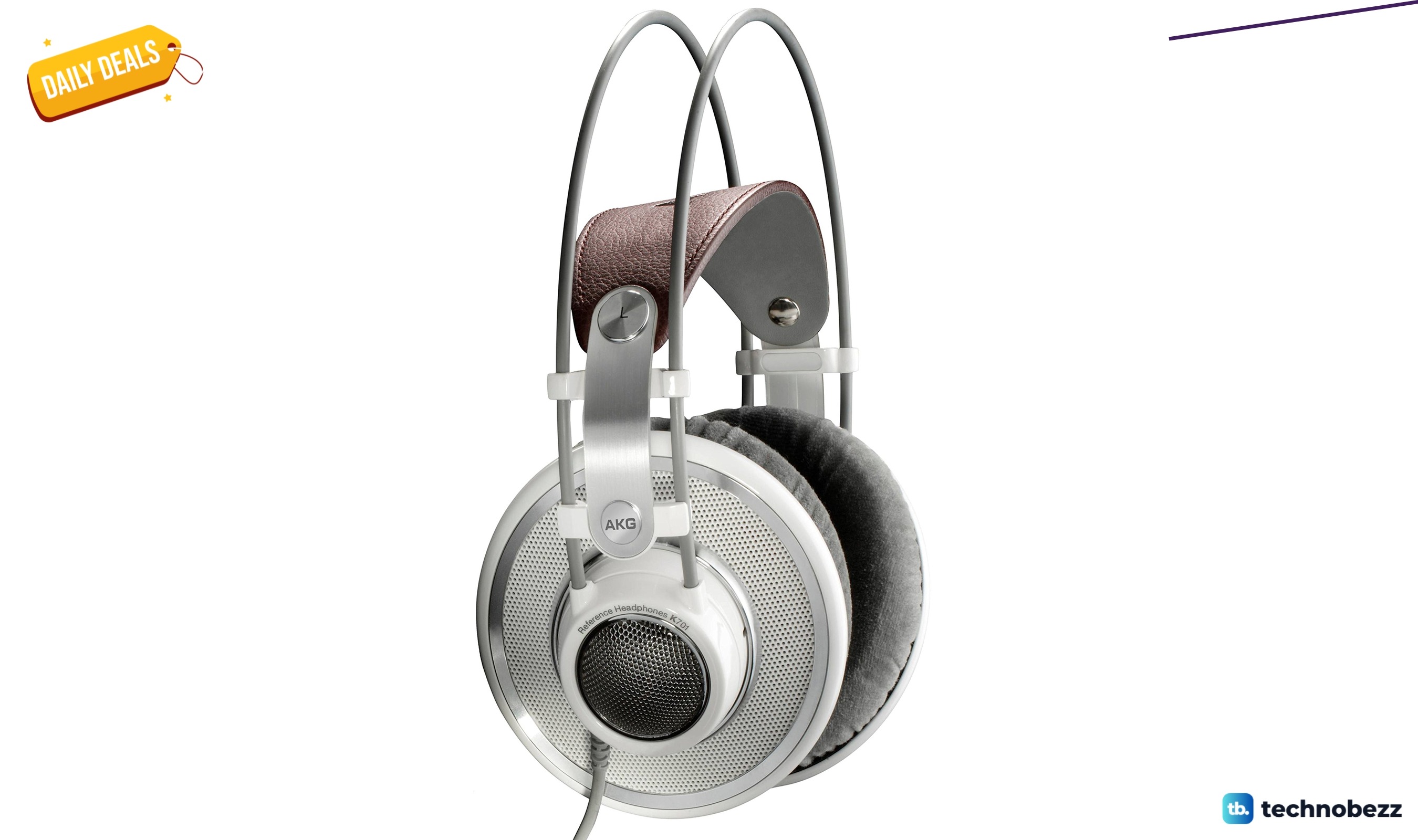
AKG K 701 Ultra Reference Class Stereo discounted to $247.37
AKG K 701 headphones drop to $247.37 on Amazon, a 47% discount that sits below recent 30, 90, and 180-day average prices.
5 min read

Apple Watch SE 3 GPS 40mm Smartwatch discounted to $189.97
Save $59.03 on the Apple Watch SE 3 GPS 40mm at Amazon, matching its lowest recorded price with health and sleep tracking.
5 min read
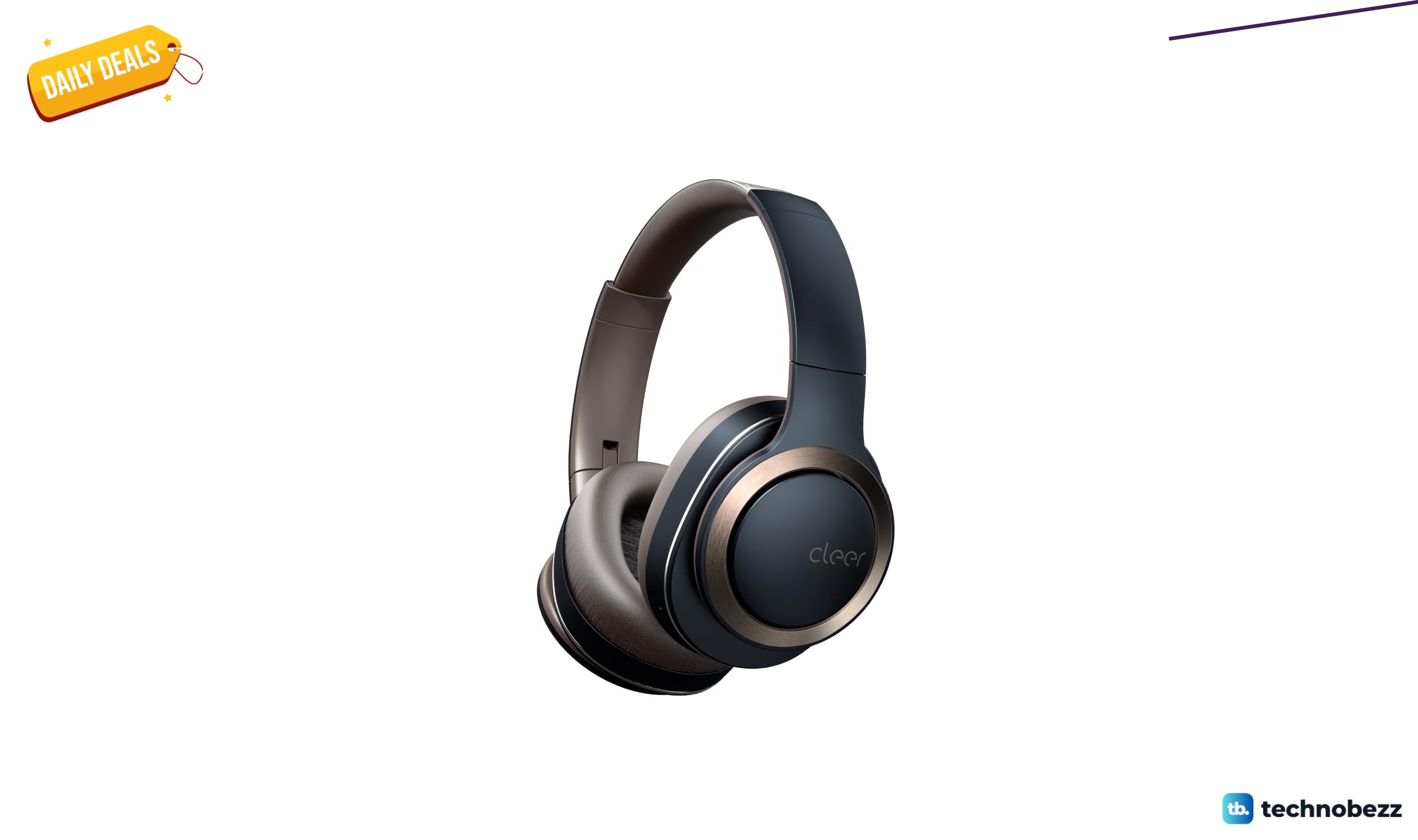
Cleer Audio Enduro ANC Noise Canceling Headphones price drops to $94.99
Save 47% on Cleer Audio Enduro ANC headphones at $94.99, with 60-hour battery, active noise cancellation, and multipoint Bluetooth.
3 min read

Lenovo coupon codes and deals
Browse 5 current Lenovo offers, including 3 coupon codes and 2 online deals.
5 min read

Woot coupon codes and deals
3 min read

Samsung coupon codes and deals
5 min read

Best tech coupon codes and online deals
4 min read
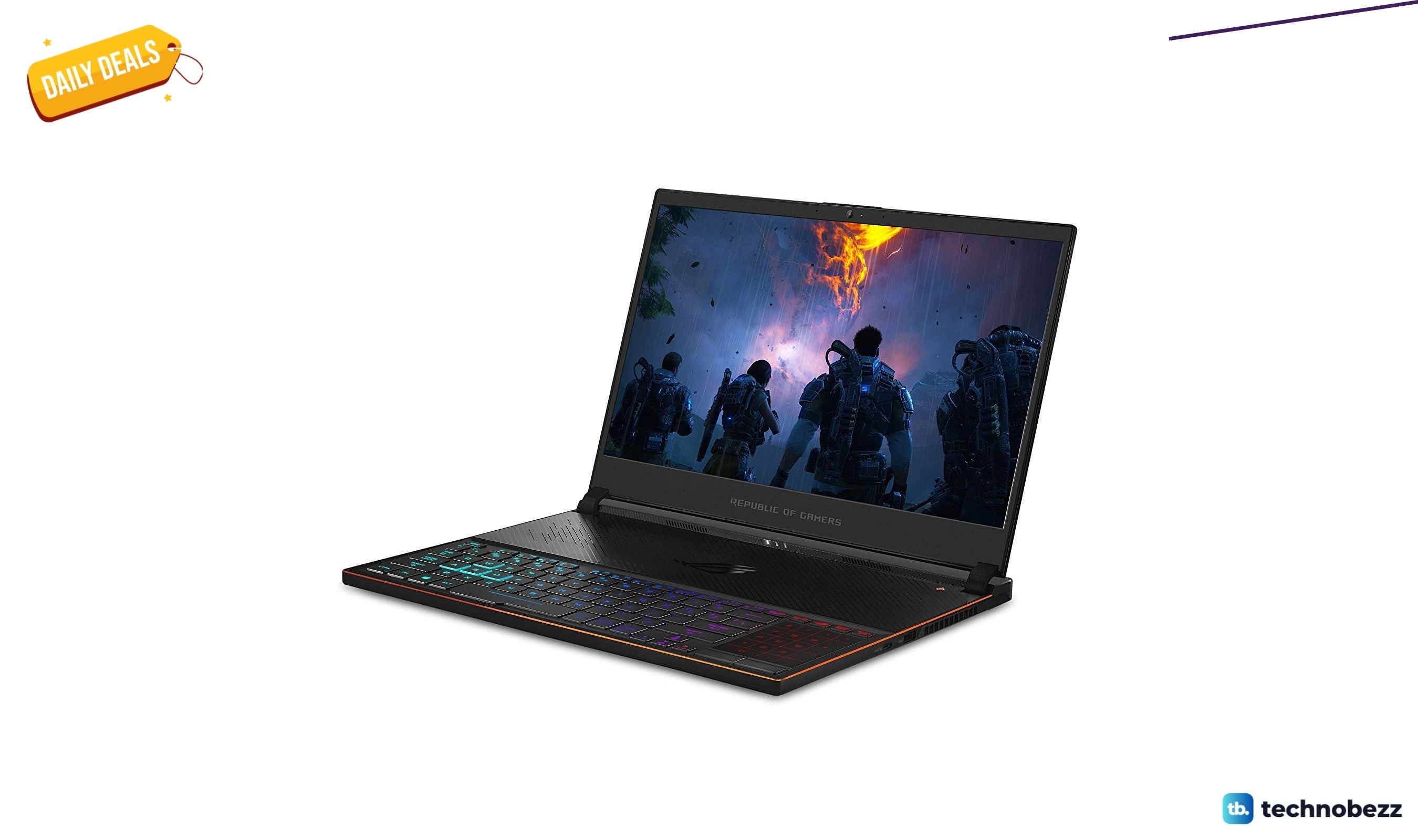
ASUS ROG Zephyrus S Ultra Slim Gaming gets a $660.95 price cut to $1338.05
5 min read
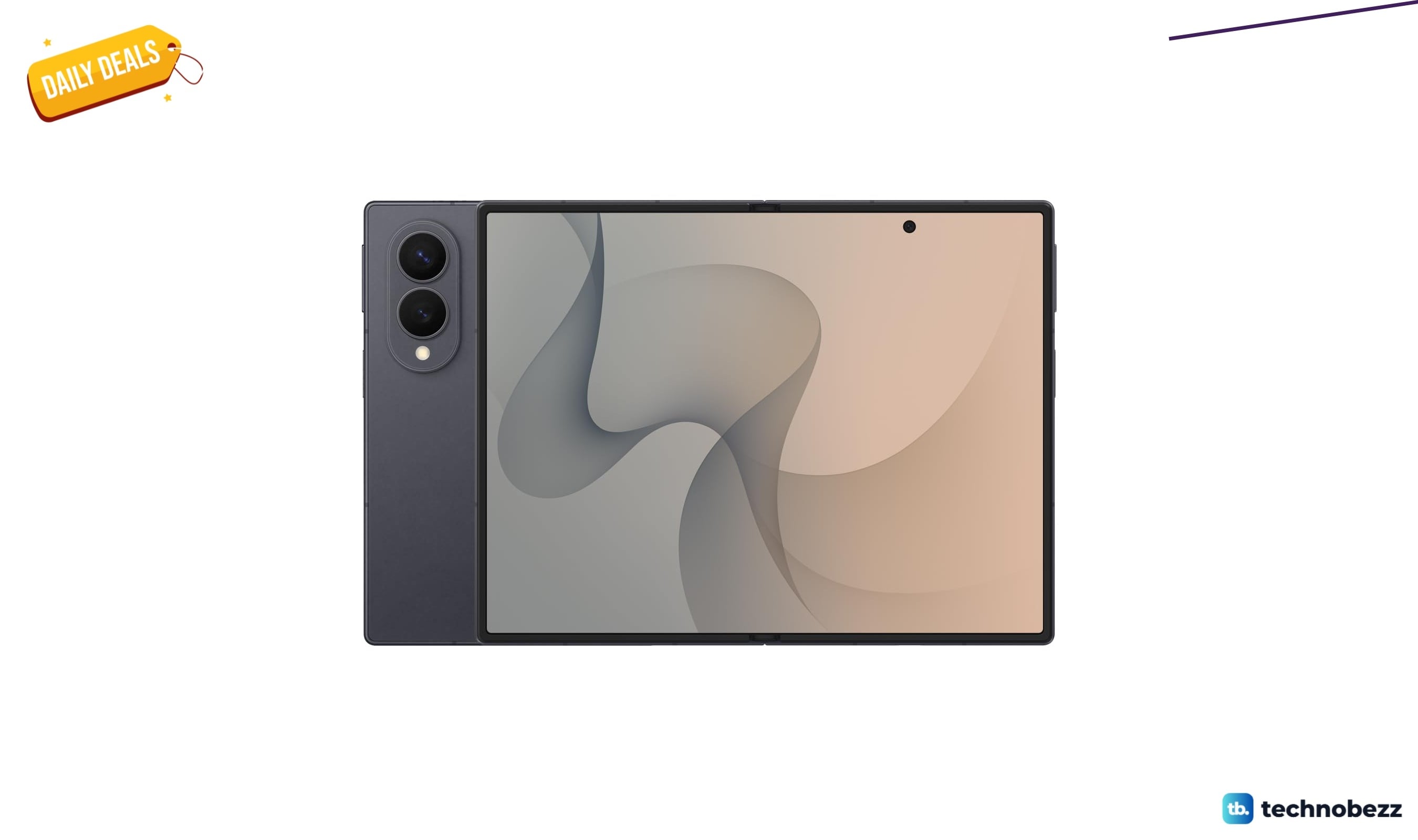
Samsung Galaxy Z Fold8 Unlocked Android Smartphone on sale for $1649.99
3 min read
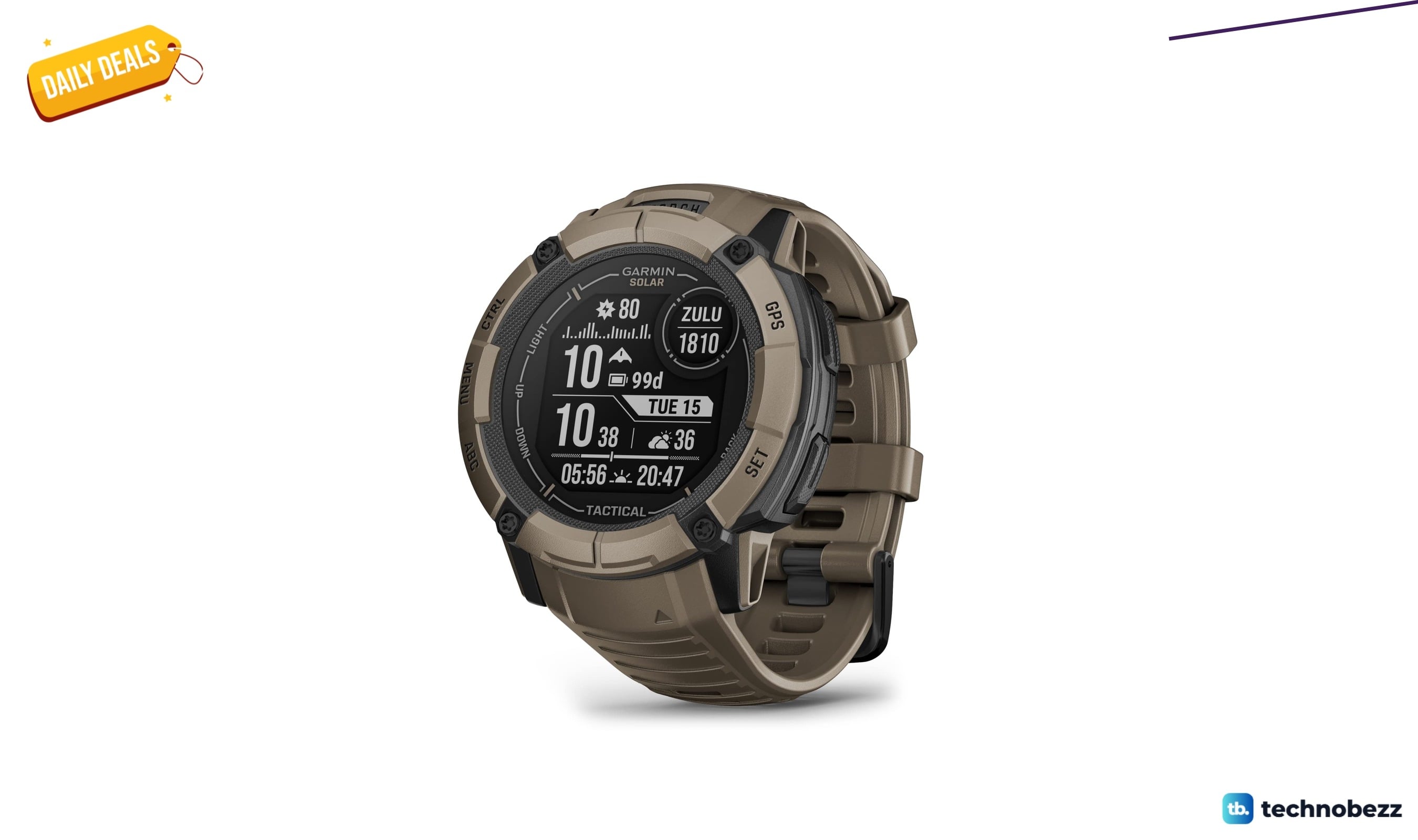
We found 2 smartwatch deals from $219.99 that are actually worth it
5 min read
Sony WH-CH720 Noise Canceling Wireless Bluetooth Headphones now $87.94, down from $119.99
3 min read
TCL 75-inch F7D QLED 4K TV leads 2 TV deals from $499.99
5 min read