
A 65-inch TV is the right size for many living rooms, but the best choice depends on room brightness, seating angle, and gaming needs. OLED models lead for dark-room contrast and wide viewing, while Mini-LED sets make more sense for bright rooms and static content.
Technobezz is supported by its audience. We may get a commission from retail offers.
7 Best 65-Inch TVs for 2026
The LG C6 OLED 65-inch is the top pick for premium 65-inch picture quality, strong gaming support, and everyday streaming.
T
Technobezz
Editorial Team
Updated October 22, 2026Oct 22, 2026
•12 min read

Get Deals Like These in Your Inbox
The best prices, straight to your inbox.
The LG C6 OLED 65-inch is the best overall pick because it combines a 65-inch class 4K OLED evo panel, webOS 26, broad format support, and high-end gaming features. It is the strongest all-around option here for movies, sports, streaming, and games.
This roundup focuses on current 65-inch 4K TVs with clear strengths, from bright Mini-LED value to movie-first processing. Match the TV to your room before chasing one headline spec.
At a Glance
| Category | Product | Why We Picked It |
|---|---|---|
| Best overall | LG C6 OLED 65-inch | Premium OLED picture with elite gaming support |
| Best value | Hisense U8QG Mini-LED 65-inch | High brightness and strong gaming specs for the money |
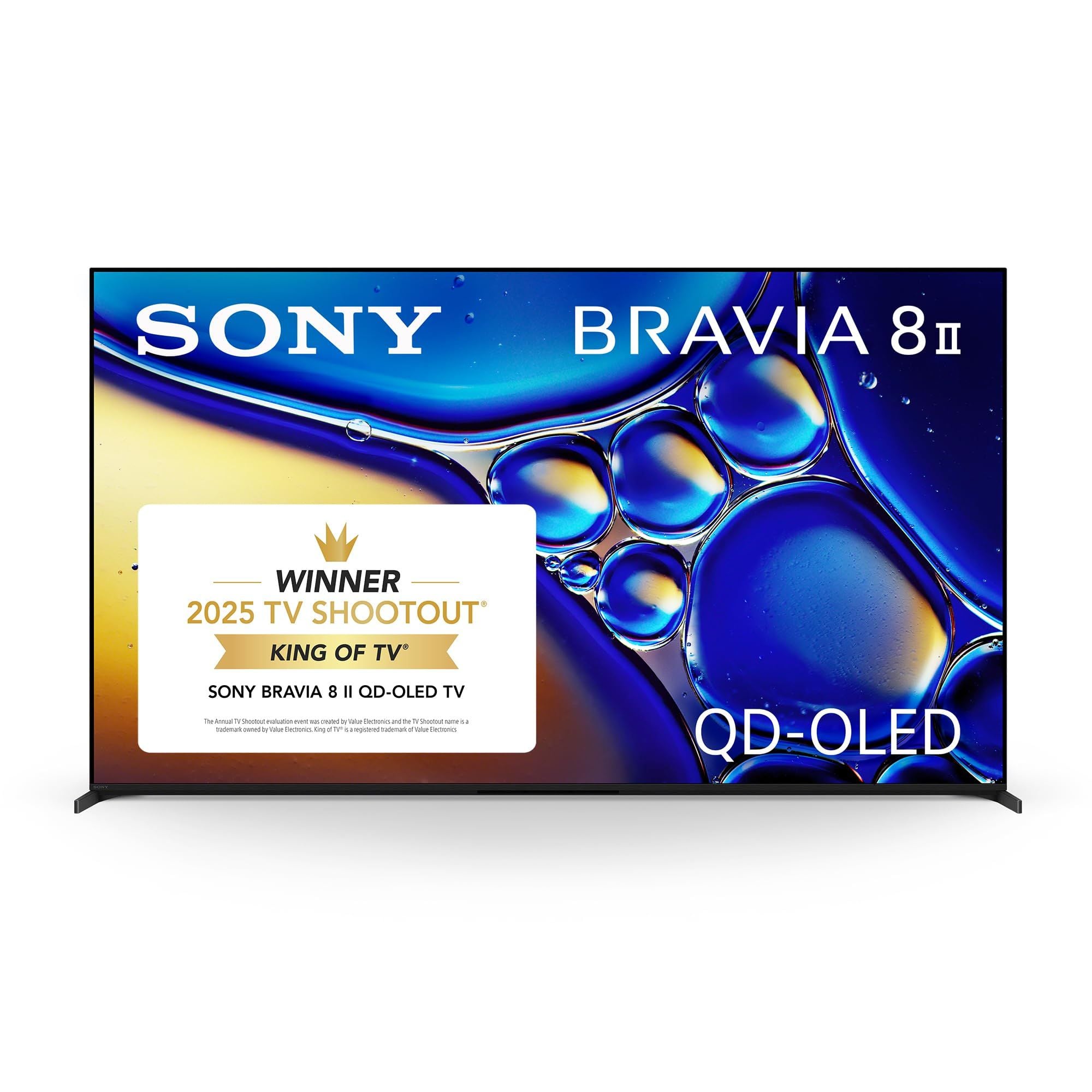
| Best for movies | Sony Bravia 8 II OLED 65-inch | Movie-first OLED with strong processing and sound |
| Best OLED for bright rooms | Samsung S90H OLED 65-inch | Glare Free OLED with 4K/165Hz on all four HDMI inputs |
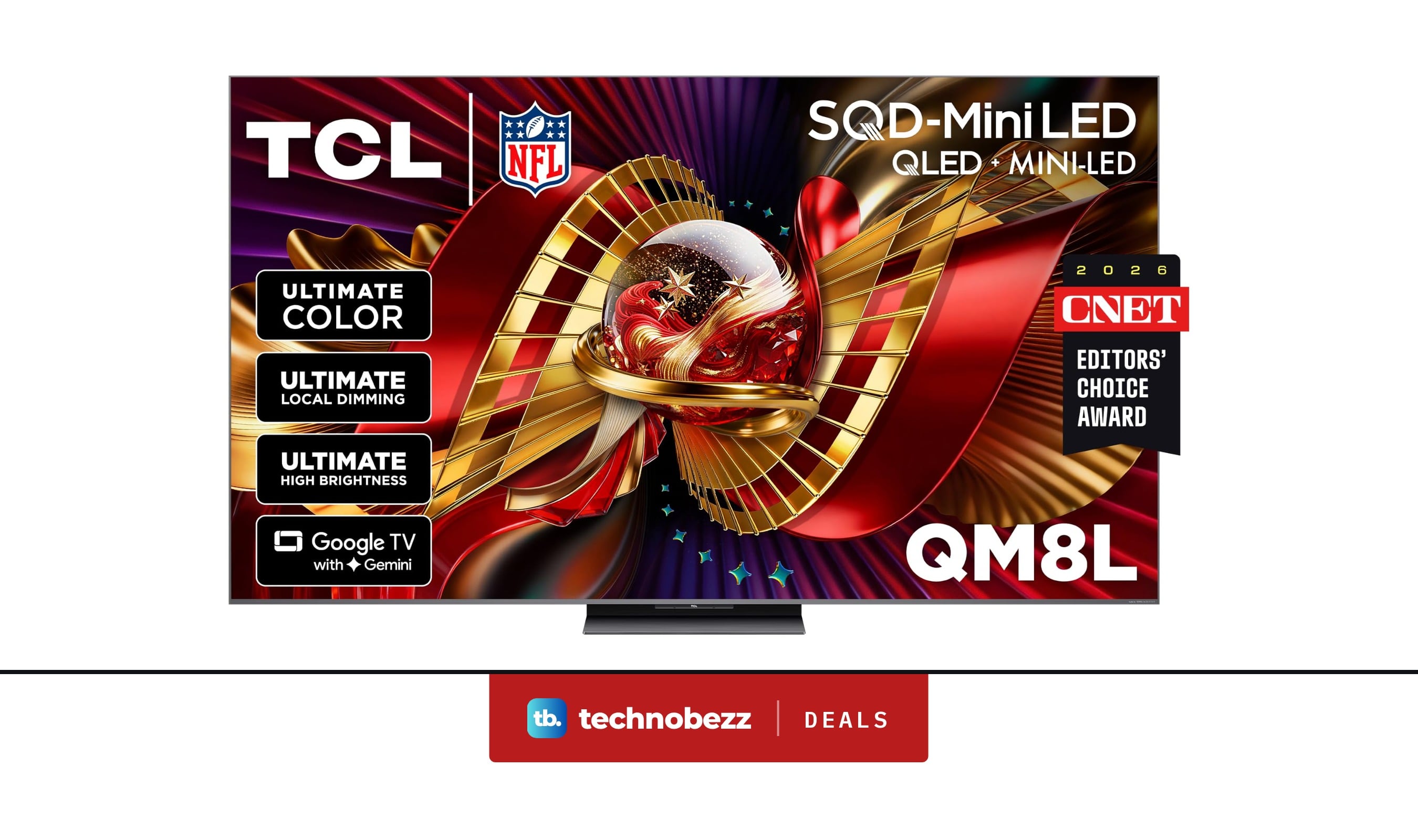
| Best Mini-LED for features | TCL QM8L SQD Mini-LED 65-inch | A premium Mini-LED feature set with four HDMI 2.1 ports |
| Best for midrange Mini-LED | TCL QM7L SQD Mini-LED 65-inch | Current-generation Mini-LED with strong midrange gaming specs |
| Best for Fire TV users | Hisense U6 Pro Mini-LED 65-inch | Fire TV Mini-LED with 144Hz gaming support |
How we chose
We chose these 65-inch TVs from current models sold new, using each maker's published specifications and features, plus price, to match every pick to a specific kind of buyer. The list mixes OLED and Mini-LED models because the better panel type depends on how bright your room is and how you watch.
The best 65-inch TVs right now
LG C6 OLED 65-inch - Best overall

LG C6 OLED 65-inch is the safest premium pick here for shoppers who want one TV to handle movies, sports, streaming, and games. Its 65-inch class 4K OLED evo panel gives it the OLED contrast advantage, while webOS 26 brings AI features to the smart TV experience.
Gaming support includes up to 4K at 165Hz with a compatible PC, plus NVIDIA G-Sync compatibility and AMD FreeSync Premium. All four HDMI inputs support 4K at 120Hz, VRR, and ALLM, which makes it practical for consoles, a gaming PC, and home theater gear without constant cable swapping.
This is the most balanced OLED in the lineup because it stays premium without moving into flagship territory. Heavy static-content users still need to consider OLED burn-in risk, and the webOS home screen can feel ad-heavy.
Key highlights
- 4K OLED evo, 65-inch class
- webOS 26 with AI features
- 4K/165Hz gaming support
- VRR and ALLM support
- Dolby Vision gaming support
- Four HDMI 2.1 ports
Pros
- Excellent all-around OLED picture for movies, sports, and games
- Broad format support including Dolby Vision
- Best-in-class gaming feature set for consoles and PCs
- More affordable than flagship OLEDs while still premium
Cons
- OLED burn-in risk remains for heavy static-content users
- webOS home screen can feel ad-heavy
Who it's for
Shoppers who want the safest premium 65-inch OLED pick for mixed streaming, movies, and gaming.
Skip if
Choose another model for an extremely bright room or for the absolute brightest HDR TV available.
Hisense U8QG Mini-LED 65-inch - Best value

Bright rooms are where the Hisense U8QG Mini-LED 65-inch makes its case. Its MiniLED Pro ULED panel with QLED Color is rated up to 5,000 nits, and the Anti-Glare Low Reflection Pro panel helps with daytime viewing.
A 165Hz native refresh rate gives it strong gaming credentials, while Dolby Vision IQ and HDR10+ support cover major HDR formats.
The tradeoffs are viewing angle and refinement. Off-angle viewing is weaker than OLED, motion processing is not as refined as Sony or LG, and built-in bass can distort at higher volume.
Key highlights
- MiniLED Pro ULED with QLED Color
- Up to 5,000 nits peak brightness
- 165Hz native refresh rate
- Anti-Glare Low Reflection Pro panel
- Dolby Vision IQ and HDR10+ support
- AMD FreeSync Premium Pro support
Pros
- Very high brightness for daytime viewing
- Strong price-to-performance ratio versus premium OLEDs
- Dolby Vision IQ and HDR10+ support
- Good gaming specs with 165Hz panel
Cons
- Off-angle viewing is weaker than OLED
- Motion processing is not as refined as Sony or LG
- Built-in bass can distort at higher volume
Who it's for
Shoppers who want a bright, feature-packed 65-inch TV without paying flagship OLED prices.
Skip if
Look elsewhere if you mostly watch from wide side seats or want OLED-level black uniformity.
Sony Bravia 8 II OLED 65-inch - Best for movies

Sony Bravia 8 II OLED 65-inch is the movie pick for buyers who care most about accuracy, motion, and upscaling. It is a 65-inch class OLED 4K UHD Google TV with Dolby Vision and Dolby Atmos support.
Sony's processing is the main reason to choose it for film and TV, especially when lower-quality sources need help. It also has strong built-in sound for a thin OLED and S-Center input support for compatible setups.
For gaming, it supports HDMI 2.1 bandwidth on two ports, 4K at 120Hz, and VRR. That is enough for many console setups, but it is less gaming-focused than picks with more high-bandwidth inputs.
Key highlights
- 65-inch class OLED 4K UHD Google TV
- Model K65XR80M2 and K-65XR80M2
- Dolby Vision support
- Dolby Atmos support
- HDMI 2.1 bandwidth on two ports
- 4K/120Hz and VRR support
Pros
- Excellent Sony processing for movies and upscaling
- Dolby Vision support
- Strong built-in sound for a thin OLED
- Google TV app selection is broad
Cons
- Only two HDMI 2.1 ports
- Less gaming-focused than LG and TCL rivals
- Typically expensive for its brightness level
Who it's for
Movie-focused buyers who value accuracy, motion, and upscaling more than spec-sheet value.
Skip if
Pick another TV if you need four HDMI 2.1 ports or the brightest HDR picture for the money.
Samsung S90H OLED 65-inch - Best OLED for bright rooms
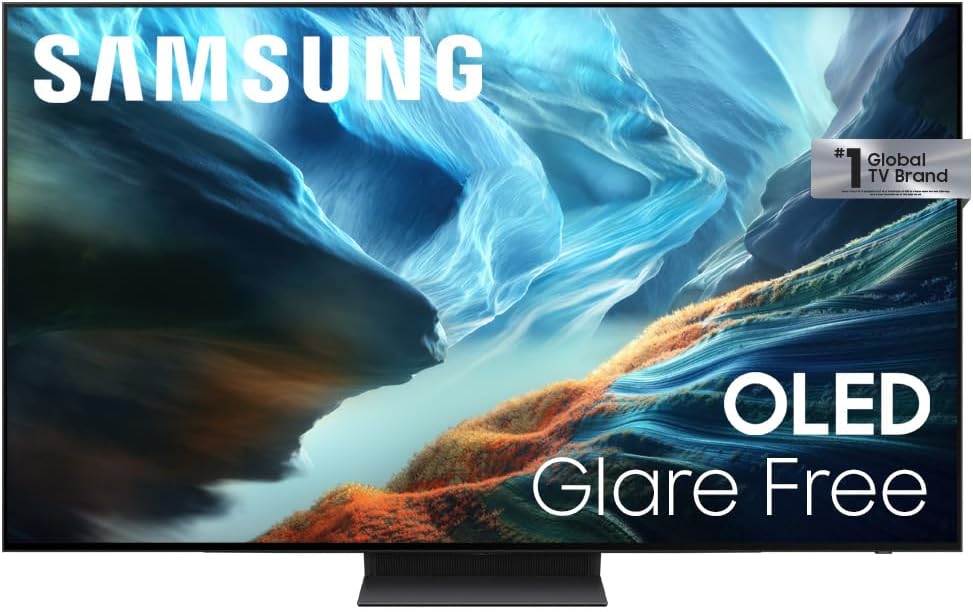
The Samsung S90H OLED 65-inch is the OLED pick for rooms with daylight or bright lamps. For 2026, Samsung brought its Glare Free screen technology to the S90H for the first time, and the TV runs on Samsung's NQ4 AI Gen3 Processor.
Every HDMI input supports 4K at 165Hz with a compatible PC, so you do not have to save one port for gaming. Gaming features include VRR, ALLM, NVIDIA G-Sync compatibility, and AMD FreeSync Premium Pro.
The main tradeoff is HDR format support. The S90H handles HDR10+ but not Dolby Vision, which the LG C6 and Sony Bravia 8 II both support. Tizen runs the smart platform, with Alexa built in.
Key highlights
- 65-inch class 4K OLED, 2026 model
- Glare Free screen technology
- NQ4 AI Gen3 Processor
- 4K/165Hz support on all four HDMI inputs
- OLED HDR+ and HDR10+ support
- Dolby Atmos with Object Tracking Sound Lite
Pros
- Low-glare OLED screen for brighter rooms
- Every HDMI input is ready for high-frame-rate gaming
- AMD FreeSync Premium Pro and NVIDIA G-Sync compatibility
- Alexa built in for voice control
Cons
- No Dolby Vision support
- OLED burn-in risk remains for heavy static-content users
Who it's for
Shoppers who want OLED contrast in a brighter living room and plan to game on consoles or a PC.
Skip if
Most of what you watch streams in Dolby Vision, or your room is dark enough that a low-glare screen adds little.
TCL QM8L SQD Mini-LED 65-inch - Best Mini-LED for features

The TCL QM8L SQD Mini-LED 65-inch is the feature-rich Mini-LED choice in this group. It combines a 65-inch class SQD Mini LED QLED panel with 4K resolution and a 144Hz refresh rate.
All four HDMI 2.1 inputs support 4K at 144Hz, and the TV includes an ATSC 3.0 tuner. Its speaker system carries Audio by Bang & Olufsen, and the TV is Dolby Atmos FlexConnect capable.
Choose it when you want a premium Mini-LED alternative to OLED with lots of inputs. LCD blooming control still is not OLED-perfect, and the Google TV interface can be ad-heavy.
Key highlights
- SQD Mini LED QLED, 65-inch class
- 4K resolution
- 144Hz refresh rate
- Four HDMI 2.1 bandwidth ports
- ATSC 3.0 tuner
- Bang & Olufsen-tuned speaker system
Pros
- Very strong feature set for a Mini-LED TV
- Better group-viewing potential than many VA LCD TVs
- Four HDMI 2.1 ports are useful for gamers
- Wi-Fi 6 connectivity
Cons
- No headphone output
- LCD blooming control still is not OLED-perfect
- Google TV interface can be ad-heavy
Who it's for
Shoppers who want a premium Mini-LED alternative to OLED with lots of inputs.
Skip if
Choose the Hisense U8QG if it is much cheaper at the time you shop.
TCL QM7L SQD Mini-LED 65-inch - Best for midrange Mini-LED

TCL QM7L SQD Mini-LED 65-inch sits below the QM8L as the midrange Mini-LED option. It uses a 65-inch class SQD-Mini LED panel with 4K UHD resolution at 3840 x 2160.
All four HDMI inputs are HDMI 2.1, but only two support 4K at 144Hz; the other two run at up to 4K at 60Hz. Gaming features include VRR and ALLM, while Google TV handles streaming. HDR support includes Dolby Vision IQ and HDR10+.
This is the better TCL fit when you want a current-generation Mini-LED without moving up to the QM8L. TCL rates it for up to 3,000 nits and 2,100+ dimming zones, against up to 6,000 nits and up to 4,000 zones on the QM8L.
Key highlights
- SQD-Mini LED, 65-inch class
- 4K UHD, 3840 x 2160
- 144Hz panel refresh rate
- Four HDMI 2.1 inputs, two at 4K/144Hz
- Game Accelerator 288 and FreeSync Premium Pro
- Google TV with hands-free voice control
Pros
- Current-generation TCL midrange Mini-LED
- Strong gaming specs for the price tier
- Dolby Vision and HDR10+ support
- Good size range if shoppers want matching smaller or larger sets
Cons
- Lower rated peak brightness than the QM8L
- Only two HDMI inputs support 4K at 144Hz
- ATSC 1.0 tuner rather than the QM8L's ATSC 3.0 tuner
Who it's for
Shoppers who want a current TCL Mini-LED without moving up to the QM8L.
Skip if
Look to the Hisense U8QG if it is substantially cheaper when you shop.
Hisense U6 Pro Mini-LED 65-inch - Best for Fire TV users

Hisense U6 Pro Mini-LED 65-inch is the Mini-LED pick for shoppers who want Amazon's Fire TV platform built in. It uses a U6 Pro ULED MiniLED 4K Fire TV platform and includes a glare-free, anti-reflection screen.
The native 144Hz refresh rate is unusually strong for the class, and HDR support includes Dolby Vision IQ and HDR10+. Fire TV with Alexa+ makes it especially convenient for households already centered on Amazon services.
Its 2.1-channel speaker system adds a built-in subwoofer for deeper bass and supports Dolby Atmos.
Key highlights
- U6 Pro ULED MiniLED 4K Fire TV
- Glare-free, anti-reflection screen
- Native 144Hz refresh rate
- Dolby Vision IQ support
- HDR10+ support
- Fire TV with Alexa+
Pros
- Affordable way into Mini-LED at 65 inches
- 144Hz panel is unusually strong for the class
- Fire TV is convenient for Amazon shoppers
- Dolby Vision IQ and HDR10+ support
Cons
- Only two of its four HDMI inputs are HDMI 2.1
- Fire TV interface is more Amazon-centric
- Lower-tier local dimming and processing than U7/U8 models
Who it's for
Shoppers who want a 65-inch Mini-LED with Fire TV built in and modern gaming specs.
Skip if
Move up to the U8QG for a major brightness and processing upgrade.
How to Choose
- Match panel type to the room. OLED is best for dark-room contrast and wide seating, while Mini-LED is usually better for bright rooms, sports, and static news or gaming HUDs.
- Check real gaming inputs. For PS5, Xbox Series X, and gaming PCs, look for HDMI 2.1, VRR, ALLM, and support for 4K at 120Hz, 144Hz, or 165Hz on enough ports.
- Do not shop by brightness alone. Peak nits help with HDR and glare, but processing, local dimming, tone mapping, and reflection handling decide if bright scenes look clean.
- Choose HDR formats based on your apps. LG, Sony, Hisense, and TCL generally support Dolby Vision, and some sets also support HDR10+. Samsung's S90H supports HDR10+ but not Dolby Vision.
- Plan for audio. Thin TVs rarely replace a soundbar. Better built-in audio helps, but dialogue, bass, and Atmos effects usually improve with an external system.
- Verify the exact model code. Retailers often reuse similar product names across model years. Match the SKU, such as OLED65C6PUA or 65U8QG, before buying.
Is OLED or Mini-LED better for a 65-inch TV?
OLED is better for perfect blacks and wide viewing angles. Mini-LED is usually better for bright rooms, lower burn-in concern, and higher peak brightness per dollar.
Is 65 inches big enough for a living room?
For 4K, 65 inches works well for many rooms at roughly 7 to 9 feet of viewing distance. Farther seating often benefits from 75 inches or larger.
Do I need 120Hz or higher?
Yes for serious gaming and smoother sports motion. Casual streaming viewers can live with 60Hz, but most better 65-inch TVs now offer at least 120Hz.
How many HDMI 2.1 ports should I look for?
Two HDMI 2.1 ports can cover a console and one extra high-bandwidth device. Four HDMI 2.1 ports are better for multiple consoles, a gaming PC, and home theater gear.
Should I choose Google TV, Fire TV, or webOS?
Choose based on the apps and voice assistant you already use. Google TV has a broad app selection, Fire TV fits Amazon-centered homes, and webOS is the LG platform used on the C6.
Published July 7, 2026 Last updated October 22, 2026
Share this article
More on TVs
Deal
We found 2 TCL TV deals starting at $797.99 below their recent averages
Deal
Samsung QN48S85HAEXZA 48-inch 4K OLED TV down to $1099.99 in latest price cut
Deal
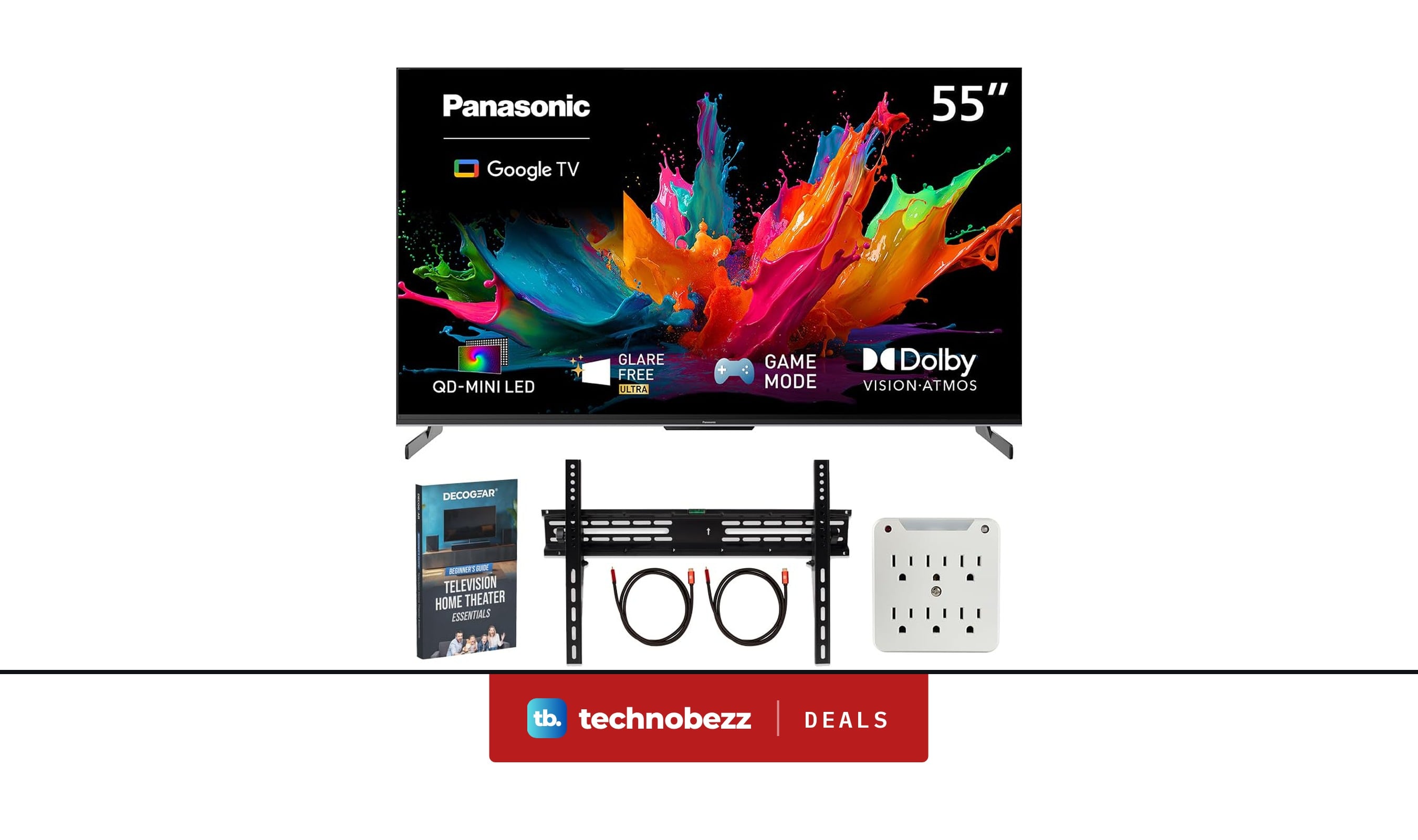
Panasonic 55-inch W85C 4K QD-Mini LED Google TV slips to $459.99
Deal
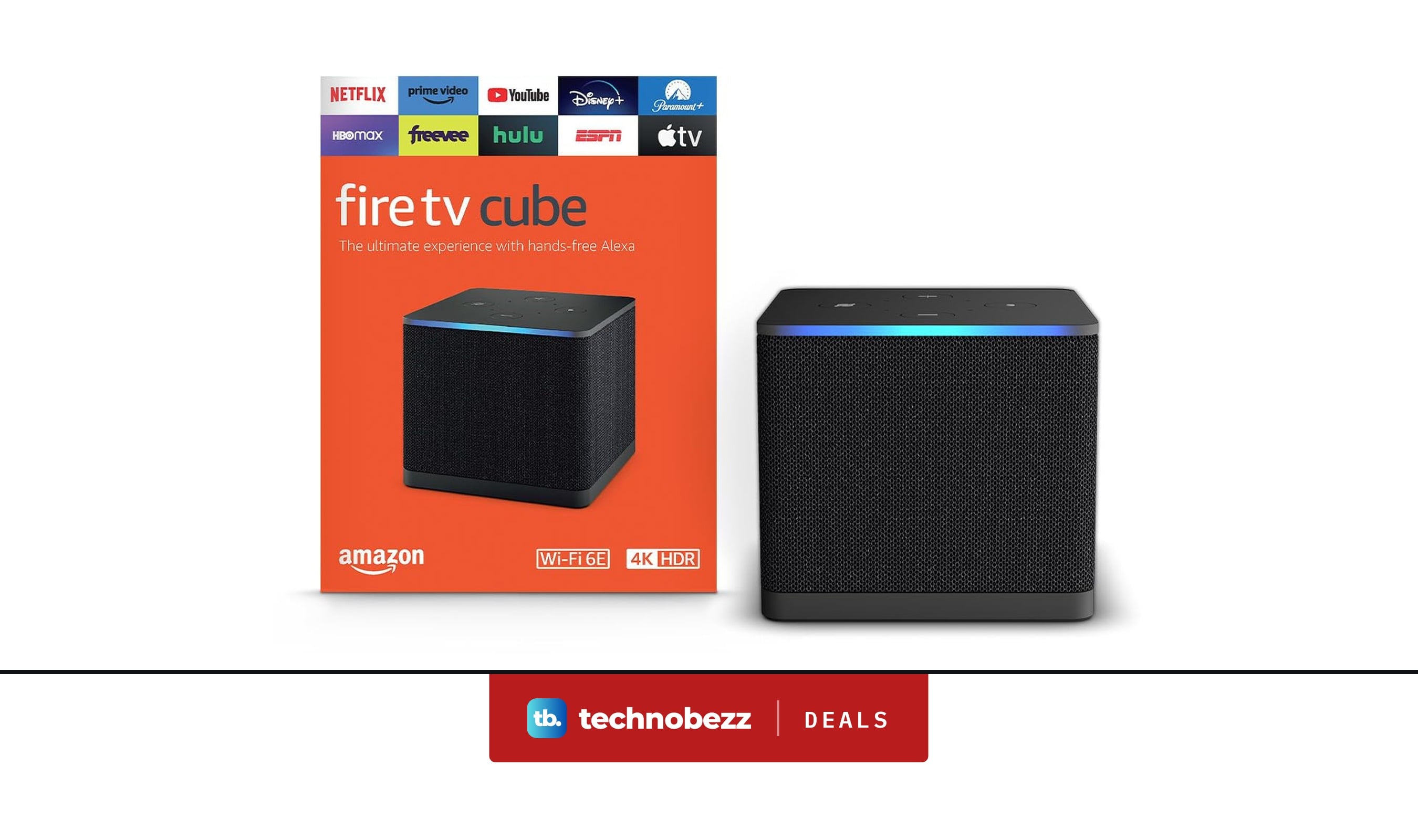
Amazon Fire TV Cube falls to $109.99
More buying guides
Buying guide8 Best Laptops for Home Use in 2026Buying guide3 Best Smartphones Under $500 for 2026Buying guide6 Best Smartphones With the Longest Battery Life for 2026Buying guideBest Translation Earbuds for 2026Buying guide6 Best Travel Laptops From Budget Picks to Premium ModelsBuying guide9 Best Desktops Under $1500 for 2026Buying guide7 Best Laptops for High School Students in 2026Buying guide7 Best Noise Cancelling Headphones to Buy in 2026