The "Unfortunately, Settings has stopped working" error (sometimes shown as "com.android.settings keeps stopping") appears when the Settings app crashes the moment you open it or while you are using it. It usually points to corrupted cache, a memory overload, a bad update, or a misbehaving third-party app rather than broken hardware.
The fixes below are arranged from safest and quickest to most drastic. Start at the top, test the Settings app after each step, and only move down the list if the error keeps coming back. The exact menu names vary slightly by brand and Android version, so treat the paths as a close guide and adjust if your phone labels things differently.
At a Glance Comparison
Use this table to pick where to start based on how much time and risk you want to take on. The early fixes are safe and reversible, while the last two can remove data.
| Fix | Effort | Data loss risk |
|---|---|---|
| Restart your device | Low | None |
| Free up RAM | Low | None |
| Clear the Settings app cache | Low | None |
| Force stop the Settings app | Low | None |
| Clear Google Play services cache | Low | None (cache only) |
| Clear Google Play services data | Medium | Some saved data |
| Uninstall Play Store updates | Low | None |
| Boot into Safe Mode | Medium | None |
| Remove recently installed apps | Low | App data only |
| Free up storage space | Low | Files you delete |
| Reset app preferences | Low | None |
| Update your software | Medium | None |
| Wipe the cache partition | High | None (system cache) |
| Factory reset | High | Erases everything |
Restart Your Device
The simplest fix is usually the most effective. A restart clears temporary system glitches and frees up memory that can make the Settings app crash on launch.
Press and hold the power button (or the power and volume up buttons on many newer phones), then tap Restart. If your screen is unresponsive, hold the power button for around 30 seconds to force a reboot.
Open Settings once the phone is back on. If the error returns immediately, continue with the next method.
Free Up RAM
An overloaded memory can stop system apps from launching properly. Closing background apps frees up RAM and costs you nothing in data.
Open the Recent apps view using your phone's gesture or button, then swipe away apps you are not using or tap Close all. Reopen Settings to see if it stays open.
Clear the Settings App Cache
Cache files help apps load faster, but they can become corrupted and trigger crashes. Clearing the Settings app cache is safe and does not delete your personal data.
Go to:
Settings > Apps > See all apps
Tap the three-dot menu and choose Show system, then find and tap Settings. Open Storage and cache and tap Clear cache.
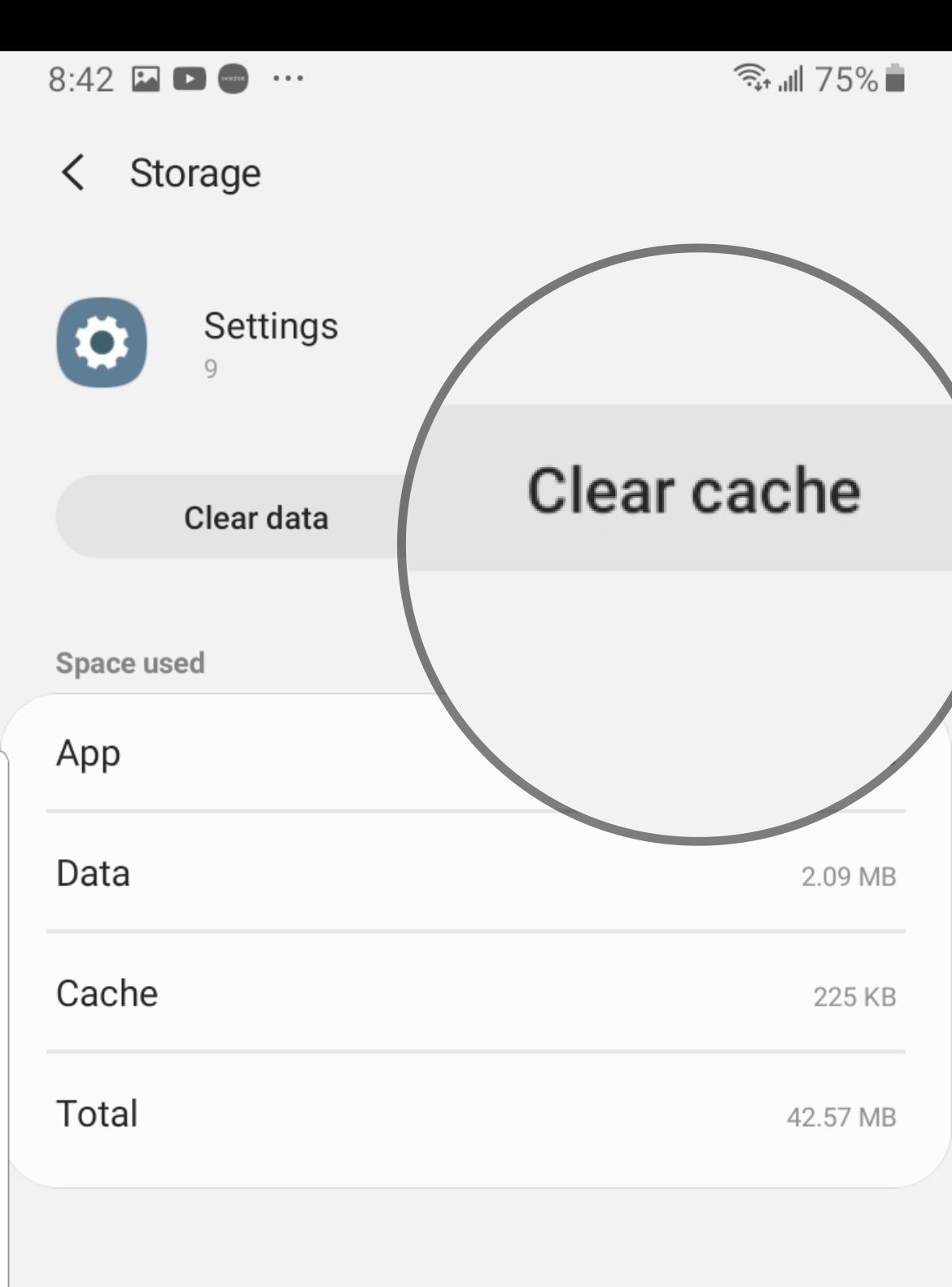
Reopen the Settings app. If it still crashes, you can return to the same Storage screen and tap Clear storage, but be aware this resets the app to its defaults.
Force Stop the Settings App
Force stopping ends the app completely so it can start fresh. This often clears a one-off glitch that a normal close does not.
Open:
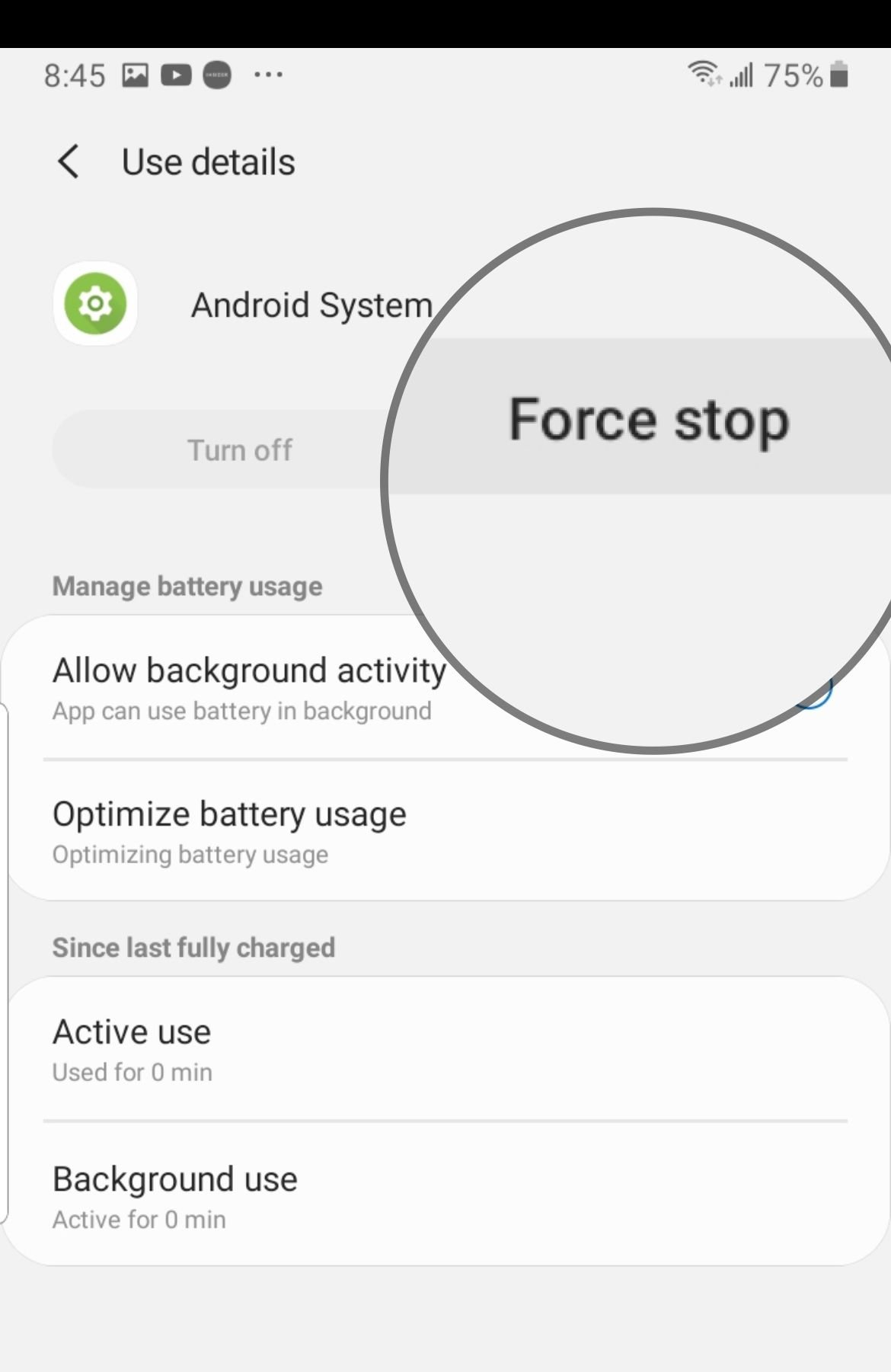
Settings > Apps > See all apps > Settings
Tap Force stop and confirm. Then launch the Settings app again.
Clear Google Play Services Cache
Google Play services underpins core Android functions such as account sync and system updates, so a problem here can ripple into the Settings app. Clearing only the cache is low risk because it leaves your saved data intact.
Navigate to:
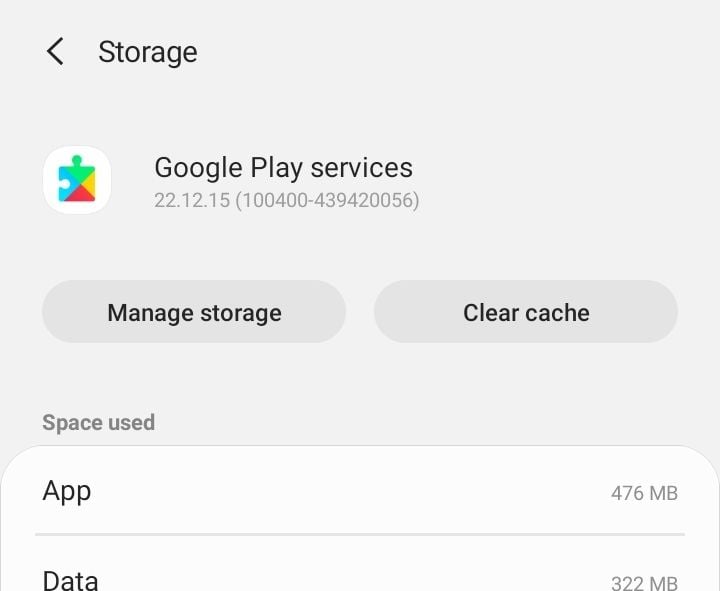
Settings > Apps > Google Play services > Storage and cache
Tap Clear cache, then restart your phone and test the Settings app.
Clear Google Play Services Data
If clearing the cache alone does not help, you can clear the data, but do this only after the safer steps. Google warns that clearing Play services data can remove information saved to your device, such as passwords, transit cards, and virtual payment cards in Google Pay, and you may need to sign back into your Google account.
On the same Storage and cache screen, tap Clear storage (or Manage storage), then Clear all data and confirm.
Restart your device afterward, then reauthenticate any payment methods if prompted.
Uninstall Play Store Updates
A faulty Google Play Store update can conflict with system apps. Rolling the Play Store back to its factory version is a quick, reversible test.
Go to:
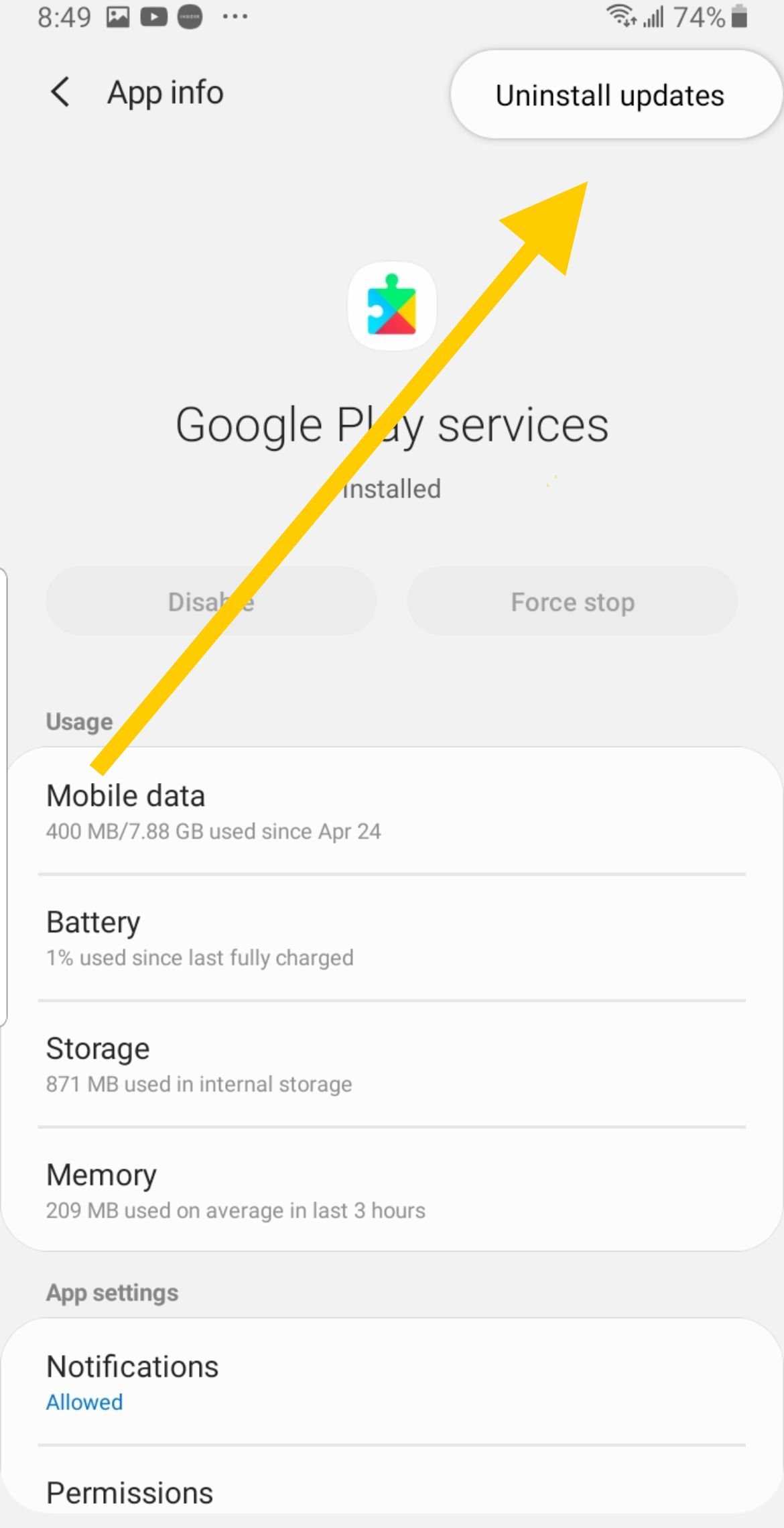
Settings > Apps > Google Play Store
Tap the three-dot menu in the top corner and choose Uninstall updates, then restart your phone. The Play Store will update itself again automatically the next time you open it.
Boot Into Safe Mode
Safe Mode starts Android with only built-in apps and disables everything you have downloaded. If the Settings app works fine in Safe Mode, a third-party app is the cause.
On most recent phones, press and hold the power and volume up buttons, then tap and hold Power off (or Restart) until you are asked to reboot into Safe Mode and confirm. On many Galaxy phones, power off, then turn the phone on and hold the volume down button until "Safe mode" appears in the corner. Check your brand's instructions if these steps differ.
Open Settings while in Safe Mode. If it no longer crashes, restart the phone normally to exit Safe Mode and move on to the next step to find the culprit app.
Remove Recently Installed Apps
If Safe Mode confirms a downloaded app is to blame, the fix is to uninstall whatever you added or updated just before the crashes began. Newly installed launchers, theme apps, and "cleaner" or optimizer tools are common offenders.
Press and hold the app icon and tap Uninstall, or remove it from:
Settings > Apps > See all apps
Remove apps one at a time, restarting and testing Settings after each, until the error stops.
Free Up Storage Space
A nearly full device can stop system apps from writing the temporary files they need, which leads to crashes. Freeing up a few gigabytes often restores normal behavior.
Open:
Settings > Storage
Review what is using space, then delete files you no longer need or move photos and videos to cloud storage or a computer. Many phones also offer a Free up space button on the Storage screen that lets you clear suggested files in bulk.
Reset App Preferences
Disabled background processes, revoked permissions, or a changed default app can leave the Settings app unable to function. Resetting app preferences restores all of these defaults without deleting any app data.
Go to:
Settings > Apps > See all apps
Tap the three-dot menu and choose Reset app preferences, then confirm. On some phones this lives under Settings > System > Reset options instead.
Update Your Software
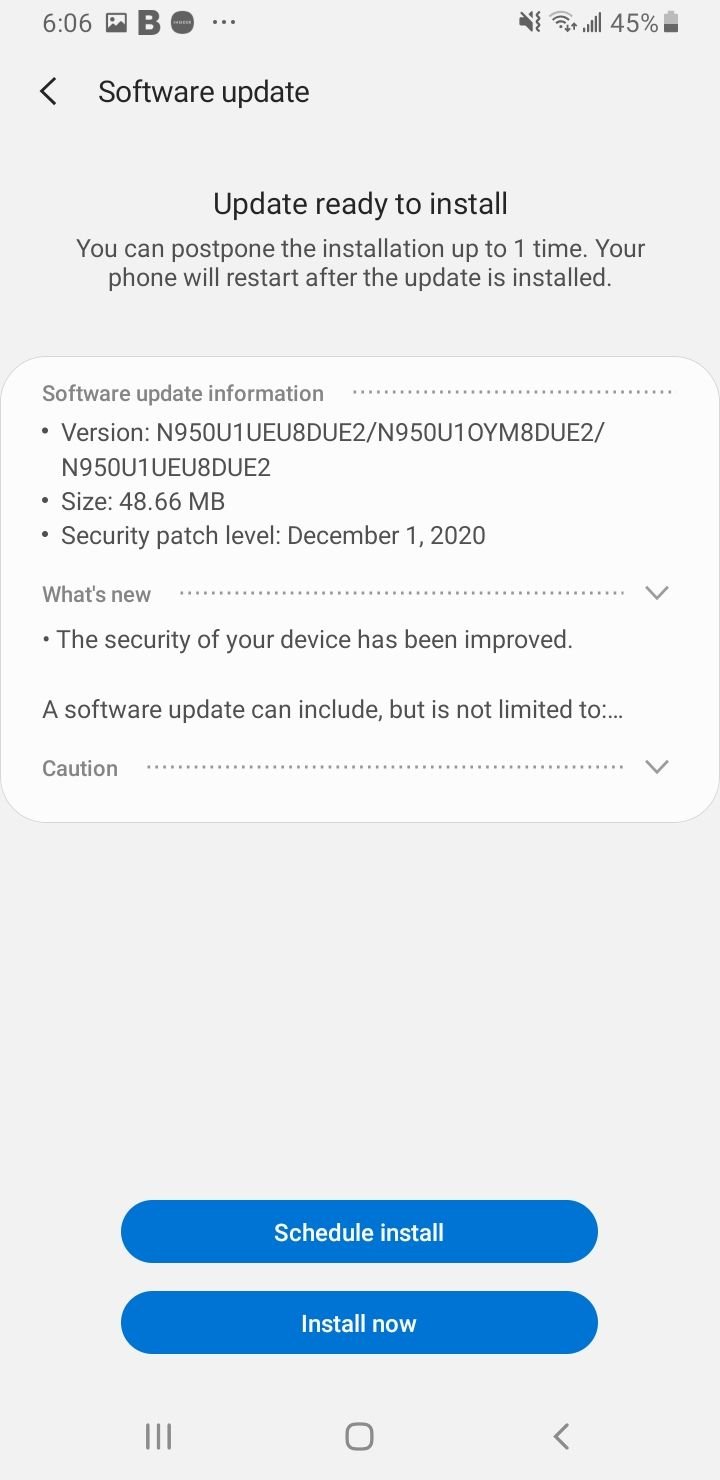
Outdated firmware can carry bugs that crash system apps, and the maker may have already shipped a fix. Installing the latest update is one of the most reliable cures for a persistent Settings crash.
If you can reach Settings, go to:
Settings > System > Software update
Tap Check for updates and install anything available, then restart. If you cannot open Settings at all, connect to Wi-Fi and try again after the earlier fixes have stabilized the app.
Wipe the Cache Partition
The system cache partition stores temporary data that Android services rely on, and corruption here can crash the Settings app even when individual app caches are clean. Wiping it does not delete your personal files.
Power off the phone, then enter Recovery Mode using your model's button combination (commonly holding power and volume up). Use the volume keys to highlight Wipe cache partition and the power key to select it, then reboot.
Note that this option no longer exists on many recent devices. Several brands removed the cache partition option in newer Android versions and now manage system cache automatically, so if you do not see the option, skip this step and continue.
Factory Reset
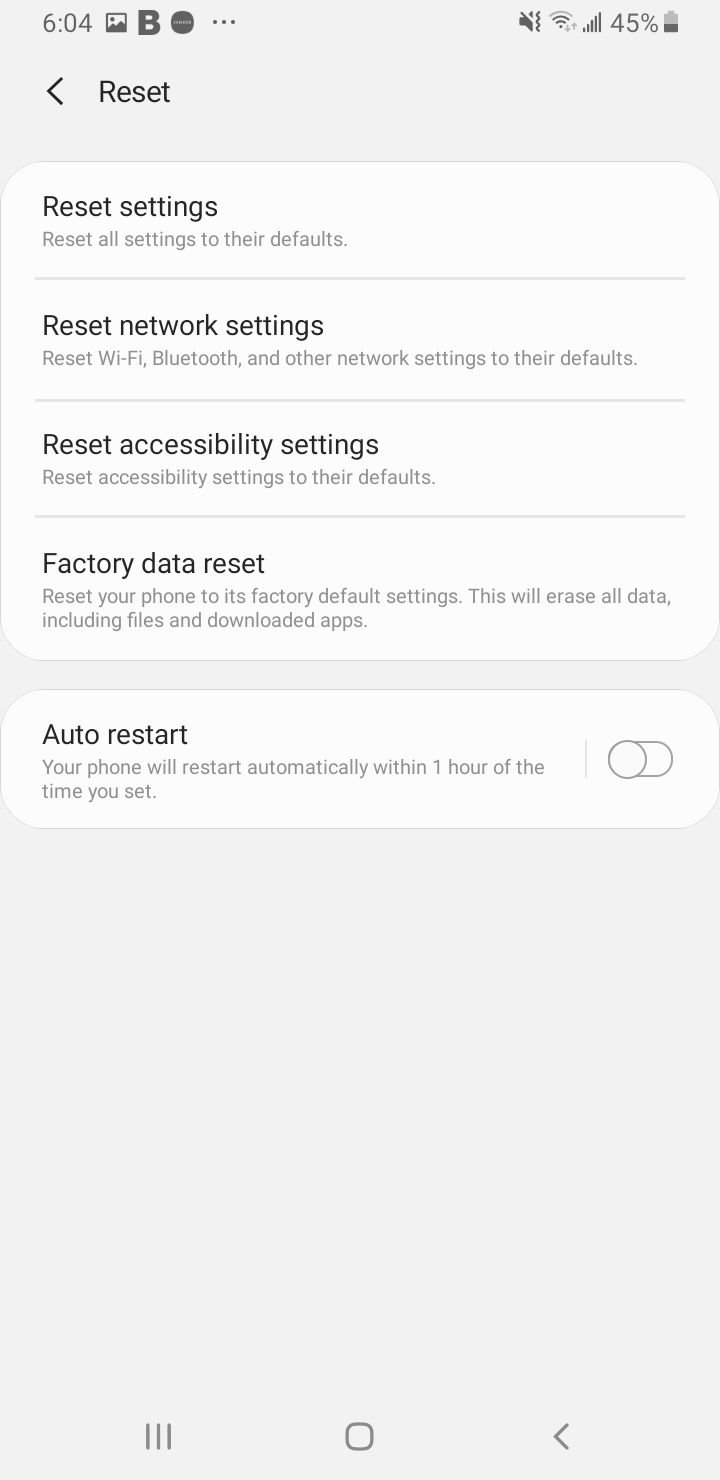
A factory reset is the last resort when nothing else works. It removes deep software conflicts and damaged configuration files, but it erases everything on the device, so back up your photos, contacts, and important files first.
If you can open Settings, go to:
Settings > System > Reset options > Erase all data (factory reset)
Confirm, enter your PIN if asked, and let the phone restart. If you cannot reach Settings, boot into Recovery Mode and choose Wipe data / factory reset. Sign back in with the Google account already on the device to restore your synced data.
Frequently Asked Questions
Why does the Settings app keep crashing on my Android?
The most common causes are corrupted Settings or Google Play services cache, low free storage, a memory overload, a buggy software update, or a recently installed third-party app. Working through the fixes above in order isolates which one is responsible.
Will I lose my data fixing this error?
Most steps, including restarting, clearing the cache, force stopping, and resetting app preferences, do not delete personal data. Clearing Google Play services data may remove some saved passwords and payment cards, and a factory reset erases everything, so back up before that final step.
Does this error happen after a software update?
It can. A buggy update or a leftover corrupted cache from the upgrade sometimes triggers the crash. Wiping the cache partition where available, or installing the next update that contains a fix, usually resolves an update-related crash.
How do I know if a third-party app is causing it?
Boot into Safe Mode, which disables all downloaded apps. If the Settings app works normally in Safe Mode, a third-party app is the cause, and you can uninstall recently added apps one by one to find it.
What if I cannot open Settings at all to fix it?
Try a restart first, then use long-press shortcuts on app icons to uninstall recent apps without opening Settings. If the app remains unusable, boot into Recovery Mode to wipe the cache partition or perform a factory reset.
Is it safe to clear Google Play services?
Clearing only the cache is safe and reversible. Google recommends clearing the full data only after other fixes have failed, because it can remove saved passwords, transit cards, and payment cards, and you may need to sign in to your account again.