Smart plugs can be a great way to cut down on wasted electricity, but using them incorrectly can backfire.
1. Leaving Smart Plugs Connected Without Purpose
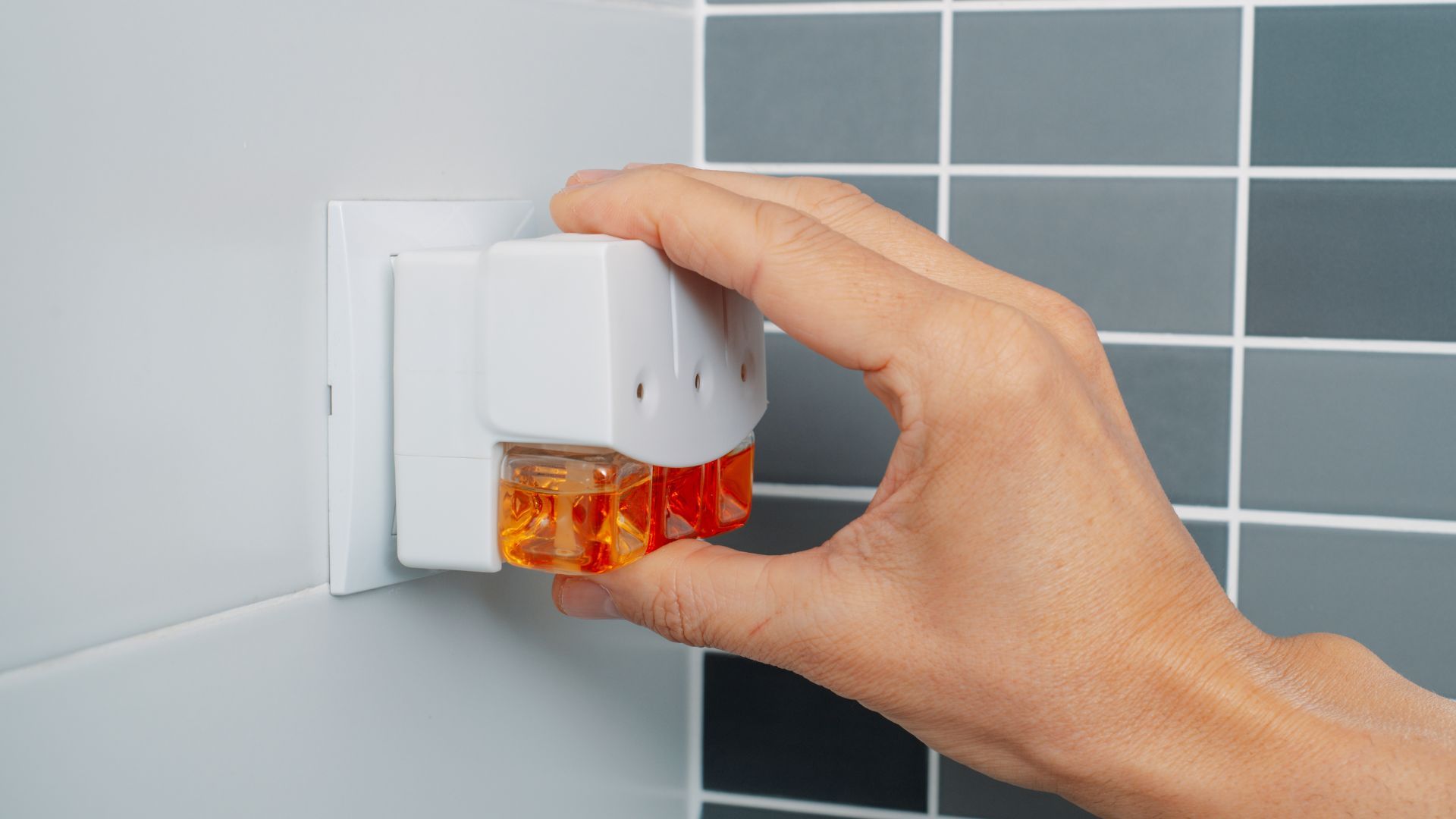
Smart plugs themselves consume energy even when no device is connected to them. According to ZDNet research, smart plugs should be unplugged when they don't have a device plugged into them. While smart plugs are designed to help save energy by controlling when devices turn on and off, an unused smart plug becomes a "vampire device" that draws power continuously.
This small but constant power draw can add unnecessary costs to your energy bill over time, especially if you have multiple unused smart plugs throughout your home.
2. Ignoring Standby Power from Connected Devices
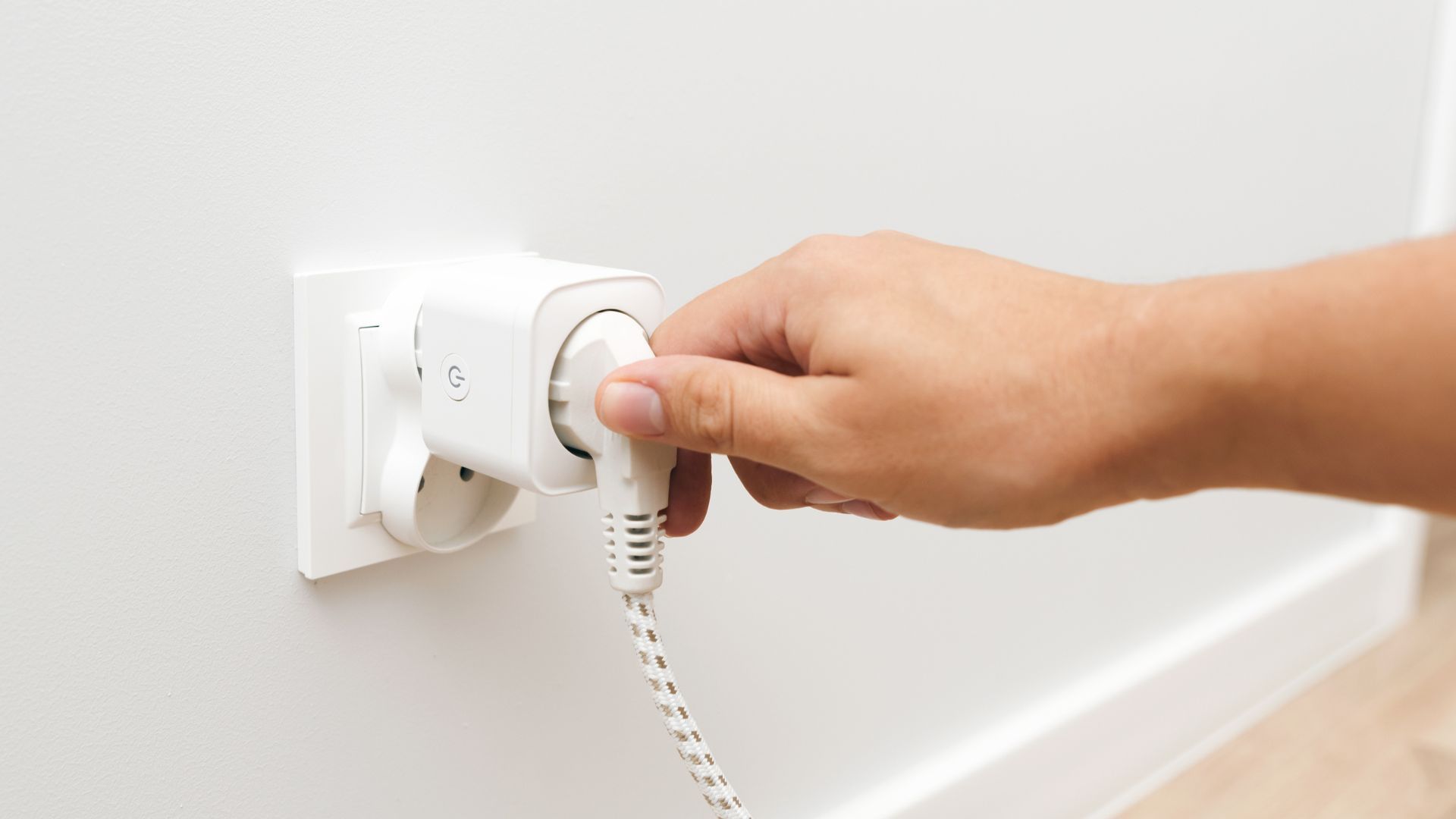
Many household devices continue consuming electricity even when turned off but still plugged in, according to Energy.gov research. The Department of Energy reports that standby power accounts for 5% to 10% of residential energy use. Smart plugs can help address this issue by completely cutting power to devices, but only if used properly.
The Natural Resources Defense Council found that reducing the load from always-on devices could save consumers up to $165 per household per year on average, with potential national savings of $8 billion annually.
3. Misconfiguring Energy Cost Calculations
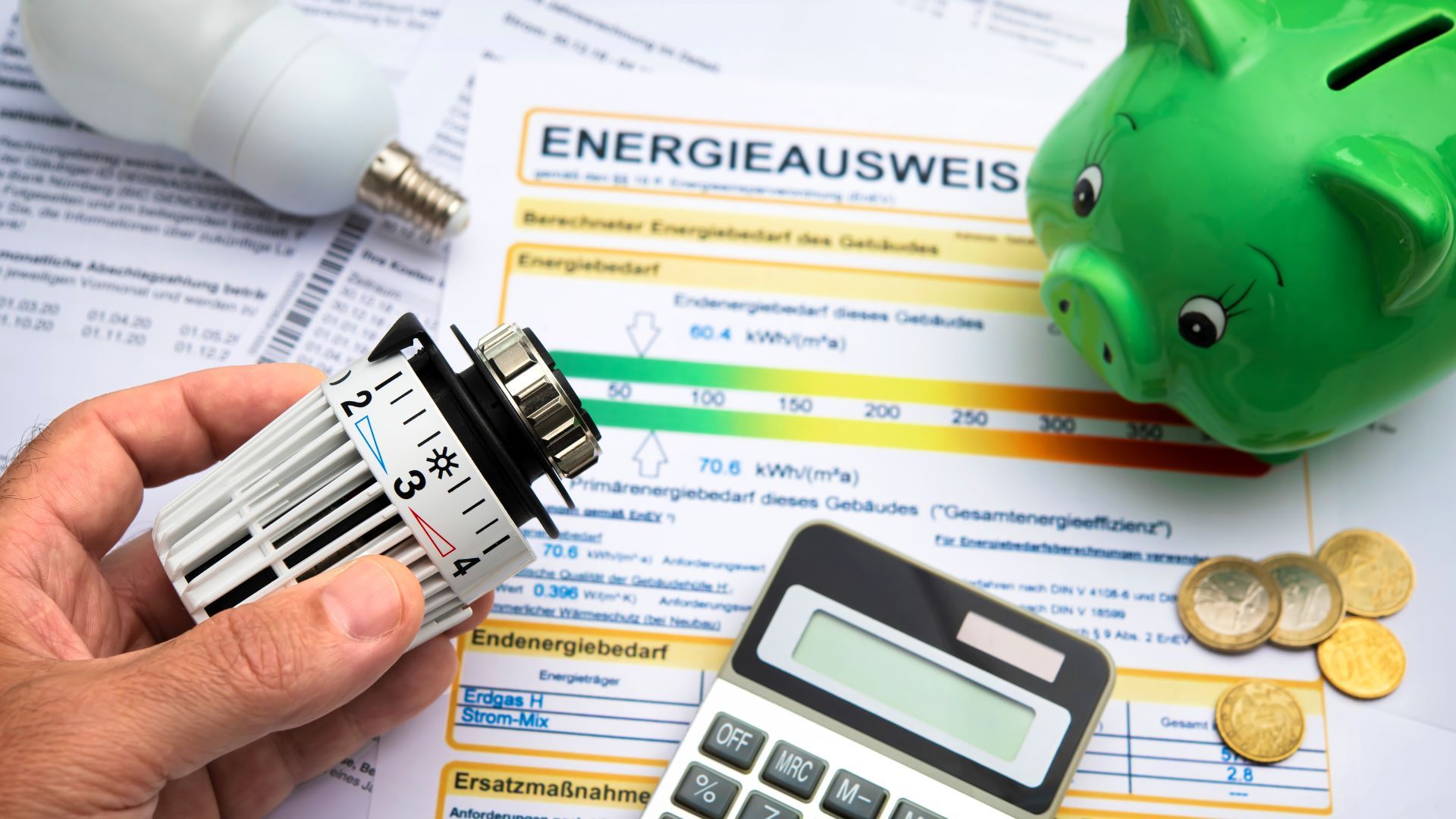
Smart plugs with energy monitoring features can provide inaccurate cost calculations if not properly configured. TP-Link community forums document cases where users entered incorrect energy rates, leading to wildly inaccurate bill projections. In one reported case, a user accidentally entered £34.00 instead of £0.34 for their kWh rate, resulting in bill calculations showing hundreds of pounds instead of the actual cost. Additionally, firmware issues can affect energy calculation accuracy until proper updates are installed.
4. Failing to Schedule Automatic Operation
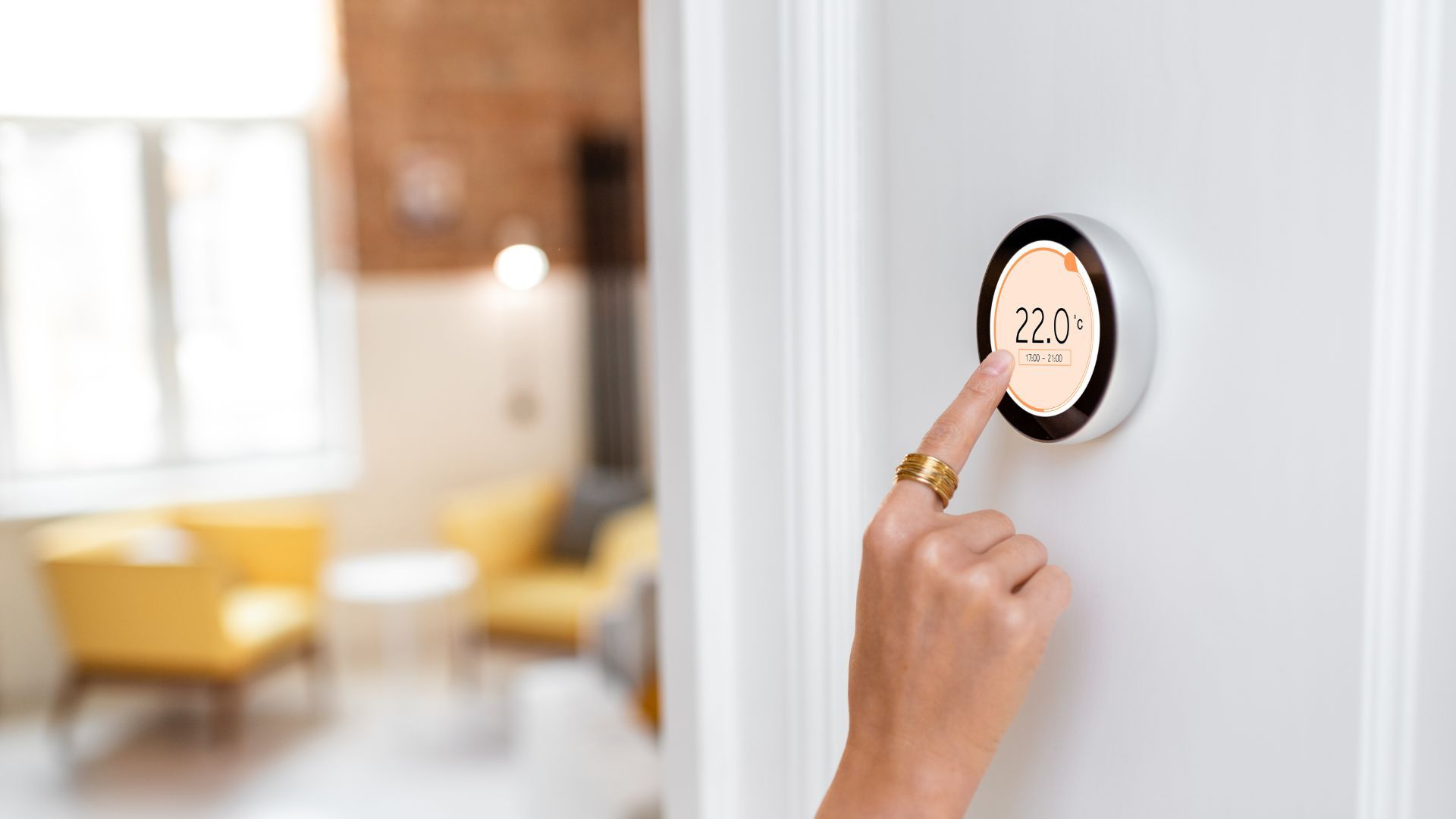
Smart plugs offer scheduling capabilities that many users don't fully utilize, missing opportunities for energy savings. Energy efficiency specialists at Paulding Putnam Electric Cooperative note that failing to automate devices is a common homeowner mistake.
Smart plugs can be programmed to turn off devices during peak rate hours or when not needed, but this requires proper setup. Without scheduling, users may leave energy-consuming devices running unnecessarily, negating the potential savings that smart plugs are designed to provide.
5. Overlooking Peak Rate Time Management

Energy costs vary throughout the day, with peak hours typically being more expensive than off-peak periods. Georgia Power notes that energy becomes more expensive to produce when grid demand is higher. Smart plugs can help manage energy usage during these costly peak periods by automatically controlling when devices operate.
However, users who don't understand their utility's rate structure or fail to program their smart plugs accordingly may inadvertently run high-consumption devices during the most expensive times of day.
6. Not Monitoring Actual Energy Usage
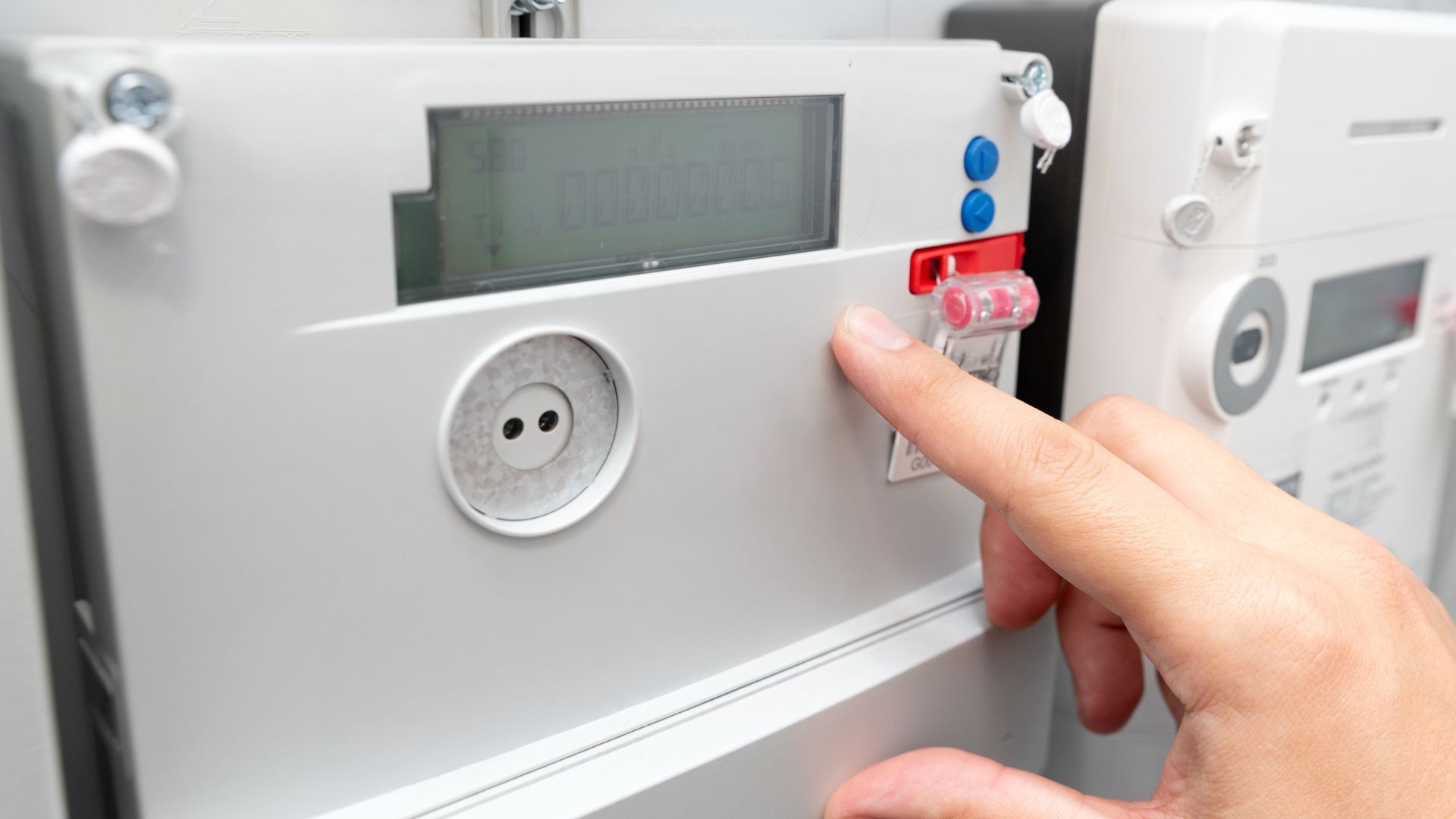
Many smart plugs include energy monitoring features, but users often don't regularly check this data to identify energy waste. Home automation systems can provide real-time insights into energy consumption, according to energy efficiency publications.
Without monitoring actual usage patterns, users may not realize which devices are consuming more power than expected or identify malfunctioning appliances that could be driving up energy costs. This lack of awareness can lead to continued energy waste and higher bills.
7. Inadequate Energy Audit and Planning
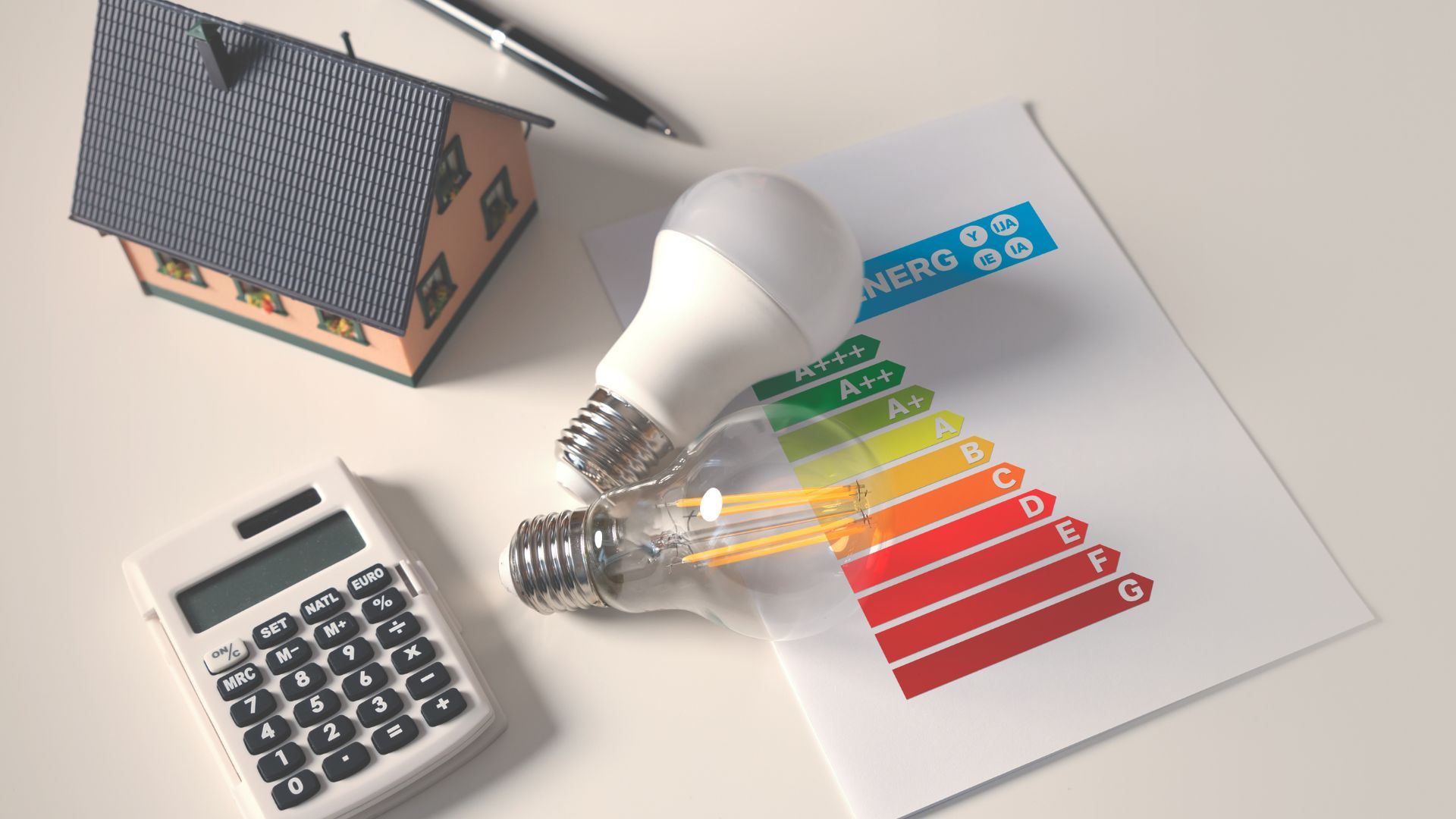
Energy efficiency experts consistently identify the failure to conduct proper energy audits as a major homeowner mistake. According to research from Paulding Putnam Electric Cooperative, qualified auditors can provide customized cost-saving recommendations.
Smart plugs are just one tool in an energy efficiency strategy, and without understanding your home's overall energy consumption patterns, you may not deploy them effectively. This can result in minimal savings or even increased costs if smart plugs are used inappropriately.
If you liked this story, please follow us