When your Samsung phone goes silent, it is hard to know whether you are facing a quick settings mix-up or real hardware damage. The good news is that most sound problems on Galaxy phones are software related, and you can clear them in a few minutes without a repair shop. This guide walks through 14 fixes in order, from the fastest checks to last-resort steps, with the exact One UI menu paths for current Galaxy phones.
It is worth confirming the basics with a quick left and right speaker test. If neither channel plays a tone, you are looking at a hardware or connection problem rather than a settings issue.
Work through the fixes from the top down. The early steps cost you nothing and solve the majority of cases, so only move on to a factory reset or repair if the simple checks fail.
Match Your Symptom to the Likely Fix
Sound problems show up in very different ways, and the cause is usually tied to the symptom. Use the table below to jump to the fix that matches what you are hearing, then follow the numbered steps further down.
| Symptom | Likely cause | Where to start |
|---|---|---|
| No sound at all from any app | Mute, volume, or a system setting | Fixes 1 to 3 |
| Sound works in some apps but not others | Separate app sound routing | Fix 3 |
| Audio plays through a Bluetooth device | Stuck audio route | Fix 4 |
| Quiet, muffled, or one-sided sound | Blocked grille, balance, or moisture | Fixes 5 and 6 |
| Crackling or popping | Sound effects, moisture, or hardware | Fixes 7 and 11 |
| No sound during calls only | Call routing or a sound effect | Fix 8 |
| No ringtone or notification sound | Mode, volume slider, or app cache | Fixes 1 and 9 |
| Problem started after an update | Software bug or cache | Fixes 9 and 10 |
Check Volume and Sound Mode First
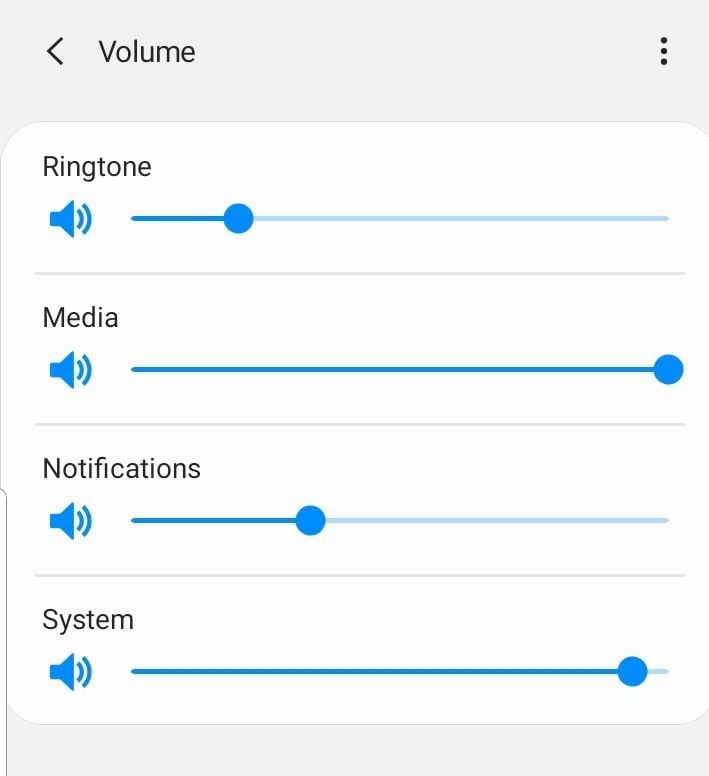
Before anything else, rule out the obvious. Press the volume up button while media is actually playing, since the on-screen slider controls whichever audio stream is active at that moment.
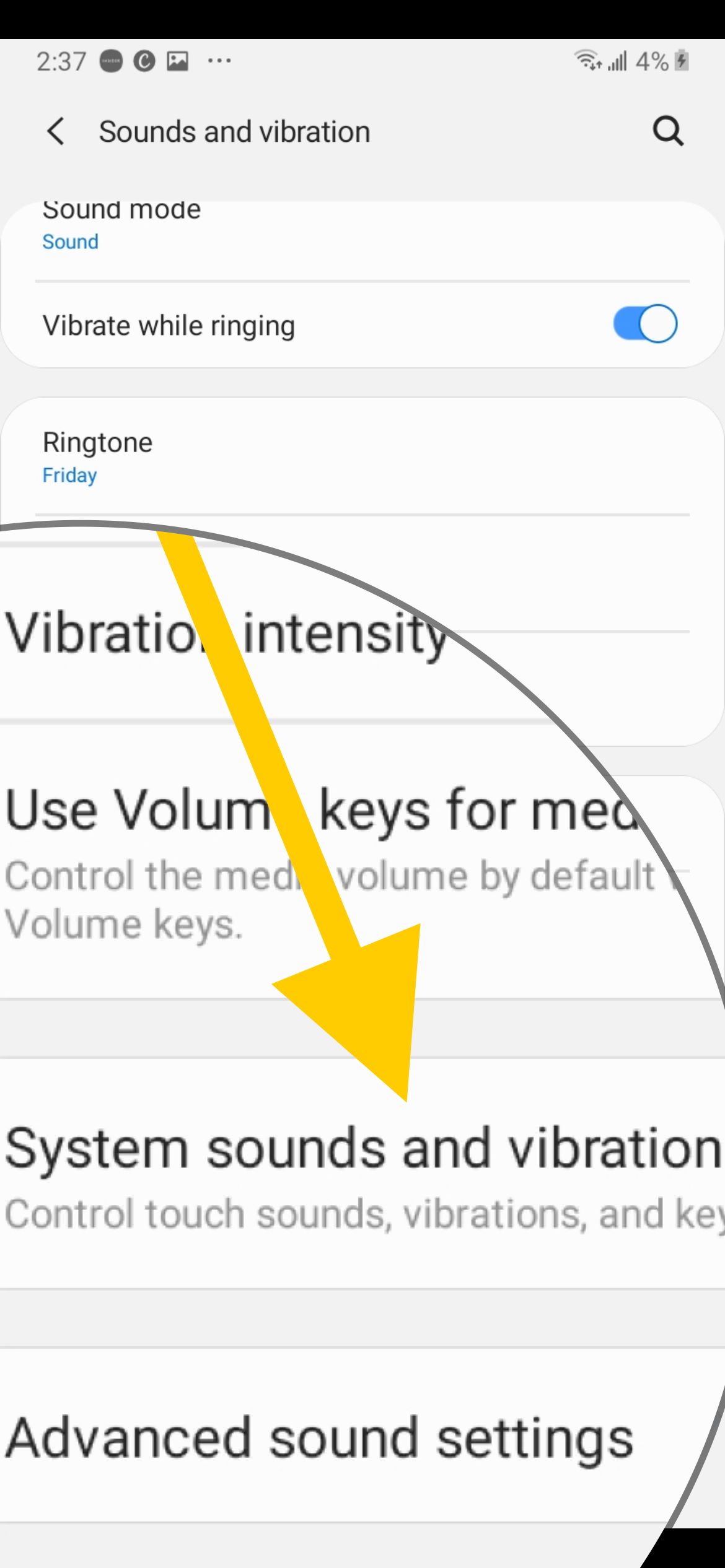
Open the volume panel and tap the menu to see every slider, because Galaxy phones keep separate levels for ringtone, notifications, media, and calls. Raise each one that is low.
Settings > Sounds and vibration > Volume
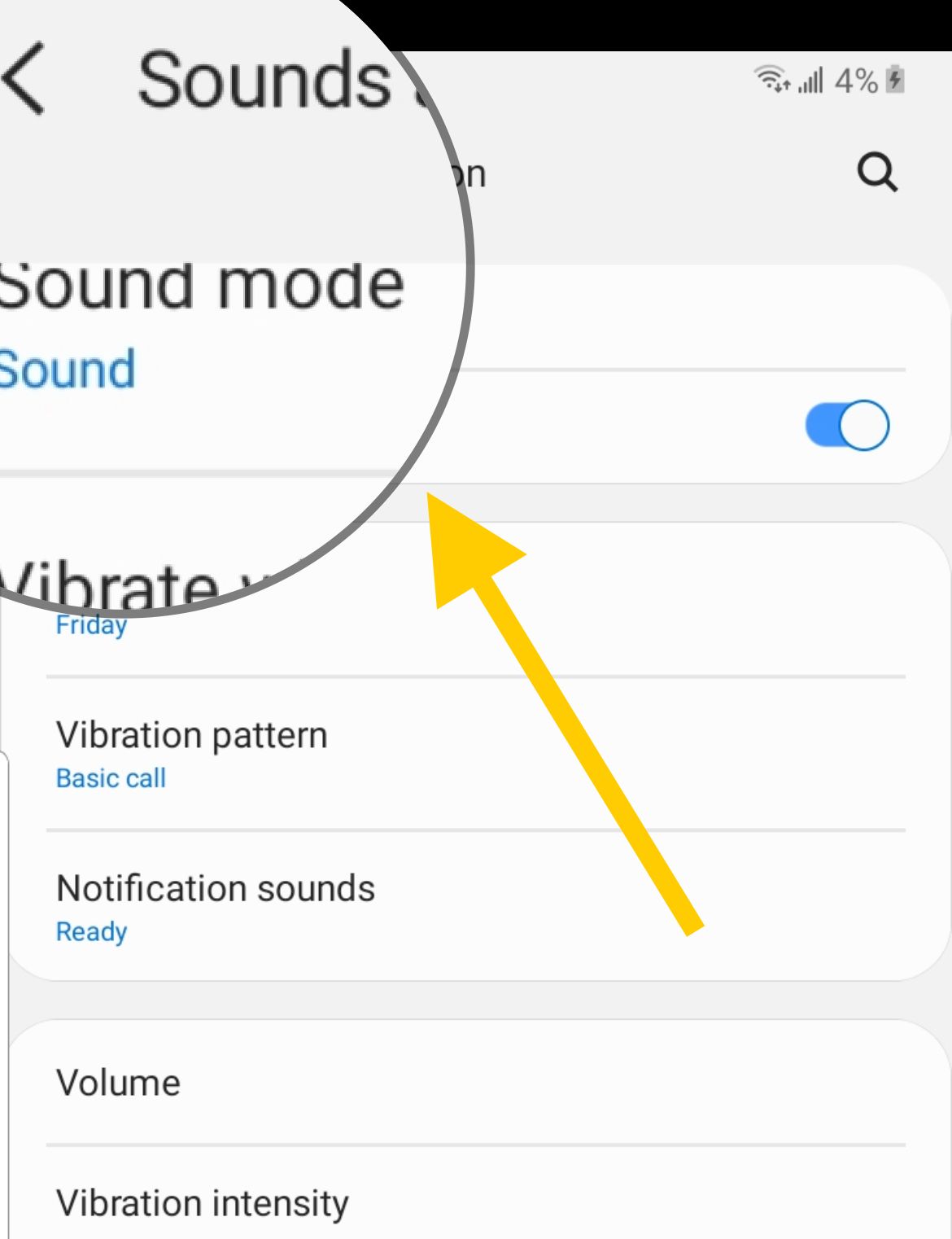
Then confirm your phone is not silenced. Set the sound mode to Sound so it is not stuck on Vibrate or Mute.
Settings > Sounds and vibration > Sound mode
Turn Off Do Not Disturb and Modes
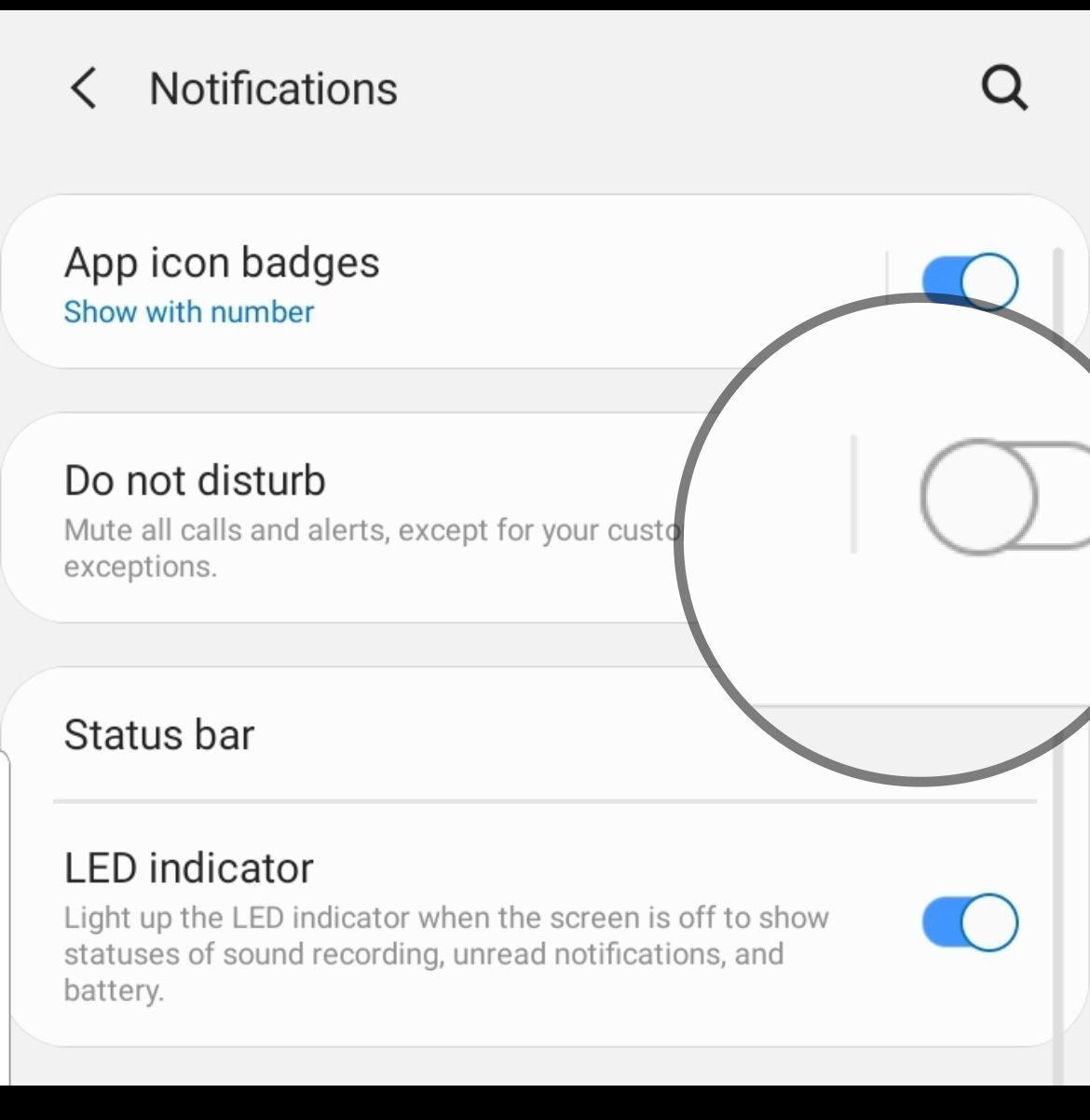
Do Not Disturb silences calls and alerts without any obvious on-screen warning, and it is easy to leave on by accident or on a schedule. Turn it off and check that no schedule is set to re-enable it.
Settings > Notifications > Do not disturb
One UI also has Modes and Routines such as Sleep, Driving, or a custom routine that can mute sound automatically. Open the menu and turn off any active mode to be sure none of them is the culprit.
Settings > Modes and Routines
Fix Notification Sounds and Separate App Sound
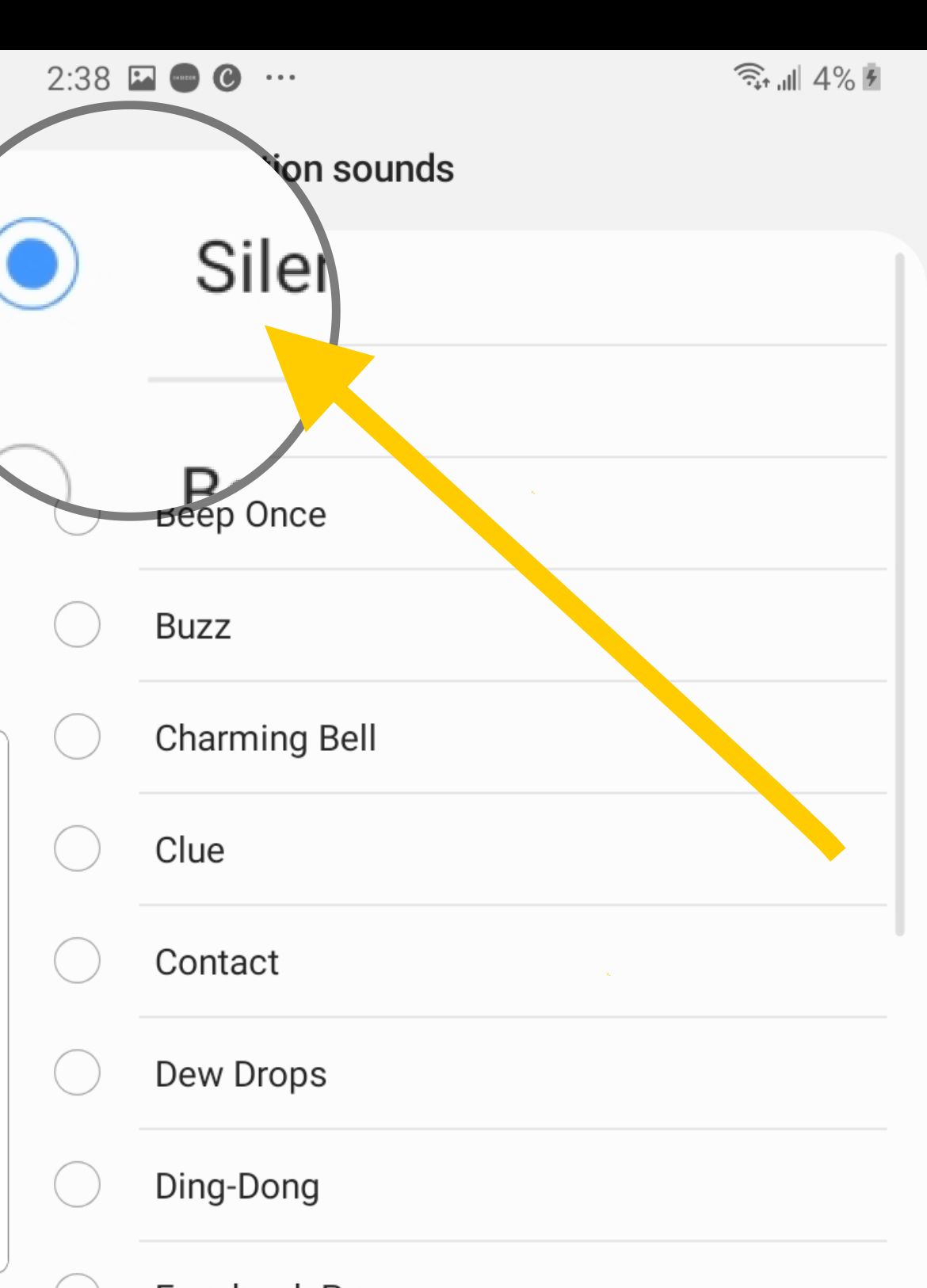
If your ringtone or notification alerts are silent while media still plays, the issue is usually the notification settings rather than the speaker. Confirm a real notification sound is selected and not set to Silent.
Settings > Sounds and vibration > Notification sound
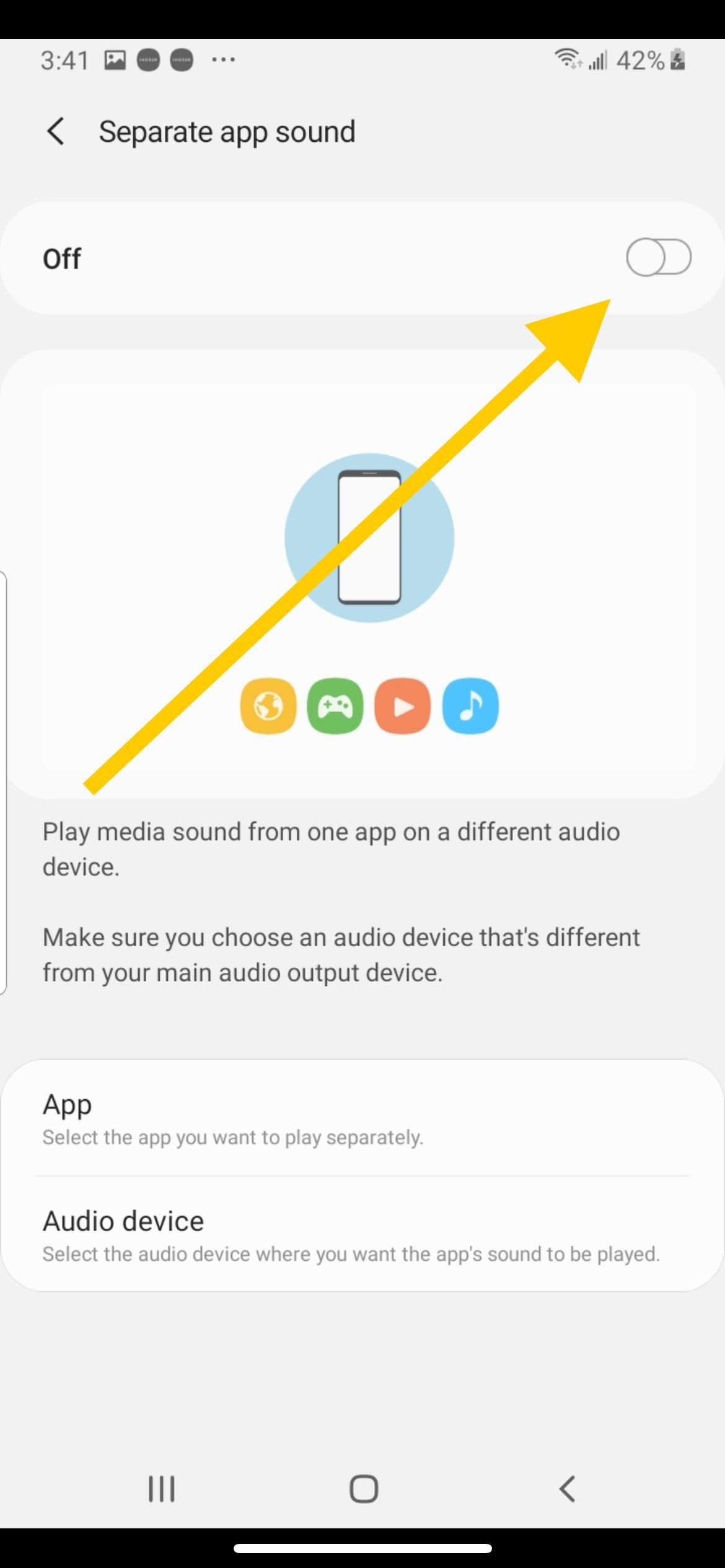
When sound works in some apps but not others, the Separate app sound feature may be sending one app to a different output, such as a Bluetooth device. Turn it off so everything routes back to the phone speaker.
Settings > Sounds and vibration > Separate app sound
If a single app like a game or video player is silent, also check that app's own volume control and in-app mute toggle.
Disconnect Bluetooth and Remove Accessories
One of the most common reasons a Galaxy phone seems to have no sound is that audio is quietly routing to a paired Bluetooth device, like earbuds, a car system, or a speaker in another room. Turn Bluetooth off from the Quick panel or disconnect any paired devices, then test the speaker again.
Settings > Connections > Bluetooth
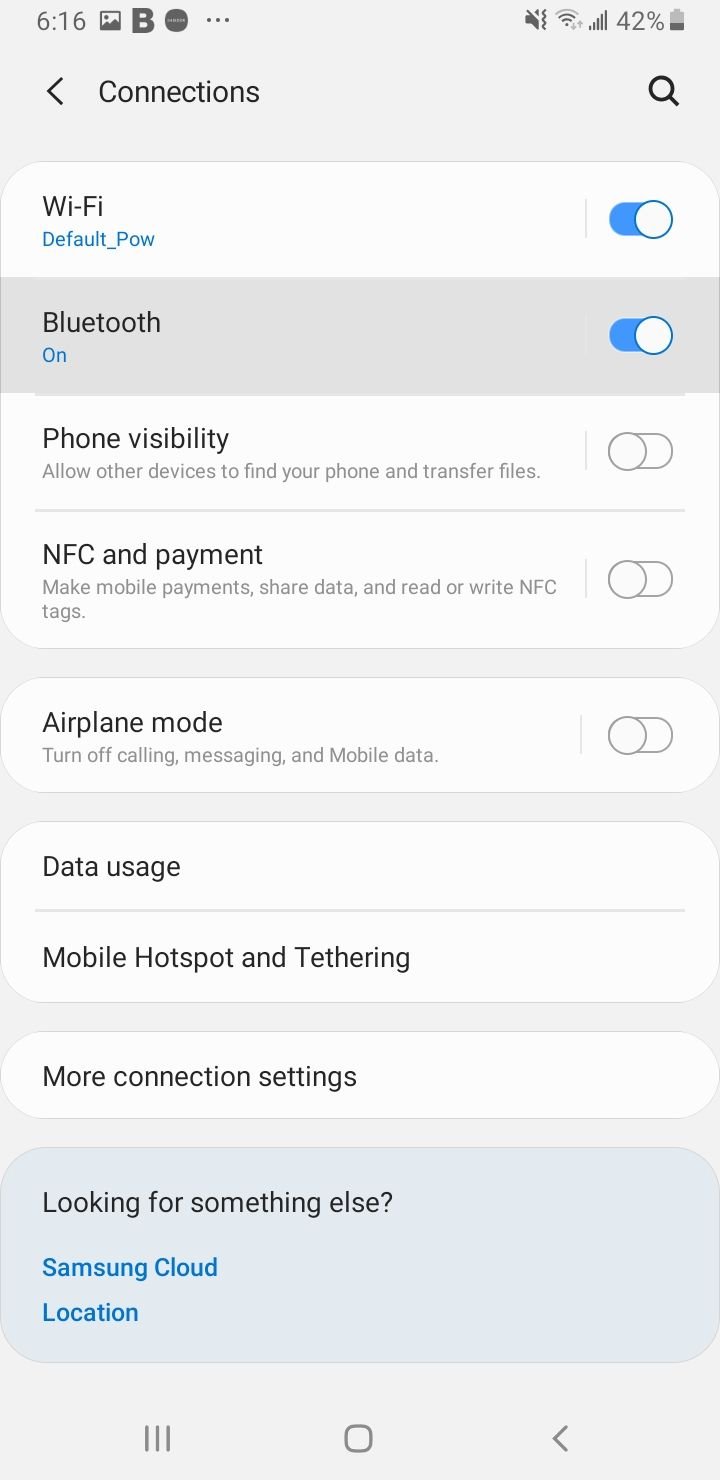
Wired and physical accessories can cause the same problem. Unplug any headphones or cables, and remove a thick case or a screen protector that overlaps the speaker or earpiece grille and muffles the sound.
Clean the Speaker Grille
Dust, lint, and pocket debris build up in the speaker and earpiece grilles over time and can make audio quiet or muffled. A gentle cleaning often restores full volume.
Use a soft, dry brush such as a clean toothbrush to loosen surface debris, and a flashlight to spot anything lodged in the openings. Never push a pin, SIM tool, or toothpick into the grille, since that can puncture the speaker membrane and cause permanent damage.
If the phone has been near water, skip air blowing for now and follow the moisture steps below first.
Turn Off Sound Effects and Equalizer
Galaxy phones process audio through Dolby Atmos, an equalizer, and an Adapt Sound profile. A misconfigured effect can make output crackle, sound hollow, or drop on the speaker even when the hardware is fine.
Open the sound effects menu and turn Dolby Atmos off, set the Equalizer back to Normal, and disable any custom Adapt Sound profile, then test playback.
Settings > Sounds and vibration > Sound quality and effects
If the crackling stops, re-enable the effects one at a time to find which one caused it.
Fix No Sound During Calls
If you can hear nothing on calls but media plays normally, start with the in-call volume. Press volume up while a call is connected, since the call stream has its own level that does not move when no call is active.
Two settings commonly break call audio. Turn off Dolby Atmos in Sound quality and effects, since it can interfere with earpiece routing, and make sure no Bluetooth device is silently capturing the call. On newer One UI versions you can also open the Quick panel during a call, tap the call audio or Mic mode control, and set it to Standard.
Also check that nothing is muffling the earpiece. A screen protector or case that seals over the top slot is a frequent cause of dead or faint call audio.
Speaker Works on Speakerphone but Not the Earpiece
When speakerphone is loud but the regular earpiece is silent, you are dealing with a routing or earpiece-specific problem rather than a fully dead speaker. First confirm the earpiece slot at the top of the screen is not blocked by a protector, film, or debris, and clean it gently.
Next, rule out a global mute. Open Hearing enhancements and make sure Mute all sounds is off, since it silences calls along with everything else. If your media sound also leans to one side, check that the left-right balance is centered, though note that slider affects the speakers and headphones rather than the in-call earpiece.
Settings > Accessibility > Hearing enhancements
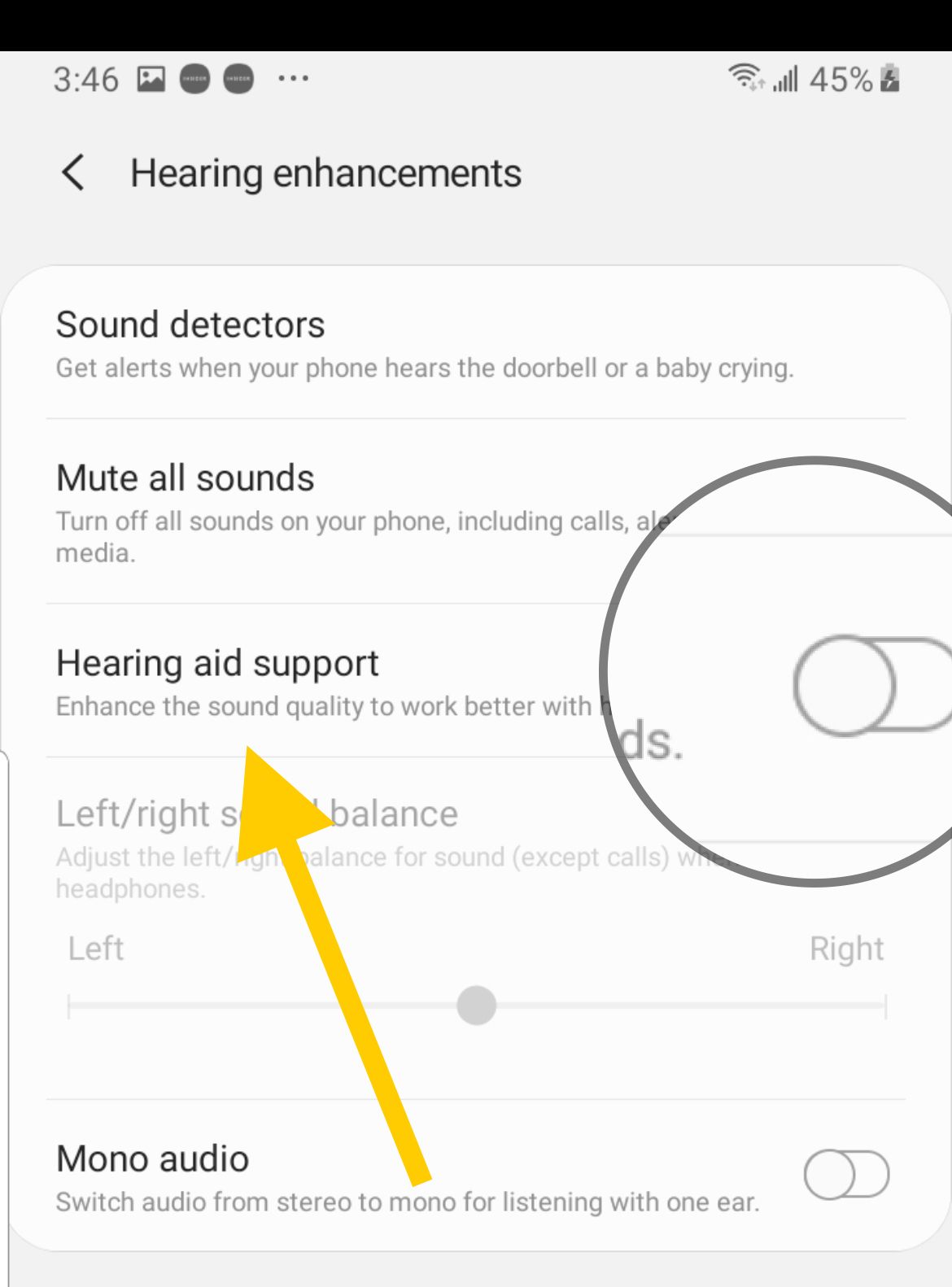
If the earpiece stays silent after a restart and these checks, the earpiece component itself may have failed, which points to repair.
Restart and Force Restart
A simple restart clears temporary glitches that block audio, especially after the phone has been on for a while. Hold the power button and tap Restart, or open the Quick panel and use the power icon.
If the screen is frozen or a normal restart does not help, force restart the phone by pressing and holding the Power and Volume Down buttons together for about 7 to 10 seconds, until the screen goes dark and the Samsung logo appears. This does not erase any of your data.
Update Software and Clear Cache
Audio bugs are often introduced by a system update and fixed by the next one, so install any pending update.
Settings > Software update > Download and install
If a specific app lost sound after an update, clear that app's cache, which is the modern replacement for the old recovery-mode cache wipe. The recovery-mode Wipe cache partition option has been removed on most Galaxy phones running Android 12 and newer.
Settings > Apps > (the app) > Storage > Clear cache
For broader cleanup, run the built-in optimizer, which is what Samsung now points to in place of the manual cache wipe.
Settings > Battery and device care > Optimize now
Dry the Phone and Clear a Moisture Warning
Water in the speaker or charge port causes muffled, crackling sound and can trigger a moisture-detected warning that blocks charging. Wipe the phone with a soft cloth, leave it speaker-side down in a dry place, and let it air dry for several hours before testing again.
Galaxy phones do not have a built-in water-eject feature, so do not look for one in the settings menu. Galaxy Watches have a Water lock that plays a tone to push water out, but on a phone you are relying on air drying, and some people play a low-frequency tone tool through the speaker to help shift trapped water.
If a moisture warning keeps appearing on a dry port, restart the phone and clear the cache for the USB or charging service, since a false reading often clears once the cache resets.
Reset Settings
If sound still misbehaves and you suspect a tangled configuration, reset all settings. This returns every system setting to default but keeps your photos, apps, and files.
Settings > General management > Reset > Reset all settings
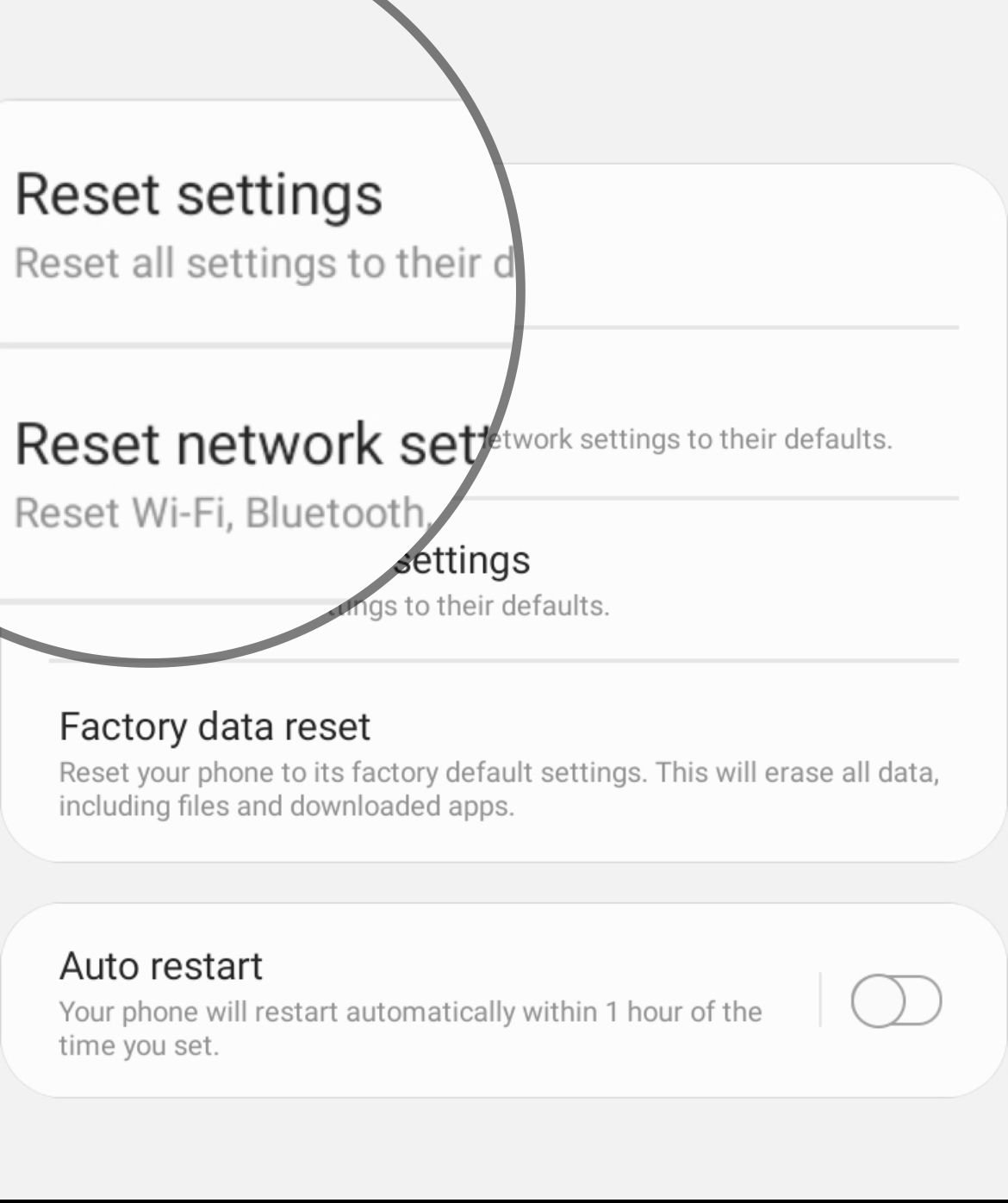
After the phone restarts, re-test your speaker, ringtone, and call audio before moving on.
Boot Into Safe Mode to Catch a Bad App
Safe Mode loads the phone without any apps you installed, so it tells you whether a third-party app is muting or hijacking your audio. Press and hold the power button, then touch and hold the Power off icon until the Safe mode prompt appears, and tap it.
If the speaker works normally in Safe Mode, an installed app is the cause. Restart to leave Safe Mode, then uninstall recently added apps one at a time, especially anything that controls audio, volume, or calls, until the problem disappears.
Run Diagnostics and Consider Repair
To confirm whether the hardware itself has failed, run the built-in speaker test in the Samsung Members app. Open Samsung Members, go to the Diagnostics section, and run the Speaker test, following the prompts.
If the test fails, or sound is still broken after every step above, the speaker or earpiece likely needs service. As a last resort before repair you can back up your data and perform a factory reset under Settings > General management > Reset, but only after you have a full backup, since it erases everything. If a reset does not help, contact Samsung support or a certified repair center.
Frequently Asked Questions
Why is my Samsung speaker so quiet?
The most common reasons are a low media or notification volume slider, a blocked speaker grille, or a sound effect like the equalizer or Adapt Sound dampening output. Raise each volume slider, clean the grille gently, and set the equalizer back to Normal in Sound quality and effects.
How do I know if my Samsung speaker is physically damaged?
Run the Speaker test in the Samsung Members Diagnostics section. If the test fails, or if sound stays broken after a restart, Safe Mode, and a settings reset, the speaker or earpiece is likely a hardware fault that needs repair.
Will a factory reset fix Samsung sound problems?
A reset fixes problems caused by software or settings, but it will not repair a damaged speaker. Try Reset all settings first, since it keeps your data, and only do a full factory reset after backing up if a software cause is likely.
Why does sound only work on speakerphone and not the earpiece?
This usually means the earpiece slot is blocked, Mute all sounds is on, or the earpiece component has failed. Clean the top slot and turn off Mute all sounds under Hearing enhancements, then test again. If the earpiece stays silent after a restart, it points to a hardware fault that needs repair.
How do I clear the speaker cache on a newer Galaxy phone?
The old recovery-mode Wipe cache partition has been removed on most phones running Android 12 and later. Instead clear an individual app's cache under Settings > Apps, then Storage, then Clear cache, and run Optimize now under Battery and device care.
Can water damage cause crackling or muffled Samsung sound?
Yes. Water in the speaker or port causes muffled or crackling audio and can show a moisture warning. Wipe the phone, let it air dry speaker-side down for several hours, and restart to clear a lingering moisture alert before testing.
First published October 16, 2025. Last updated June 4, 2026.