
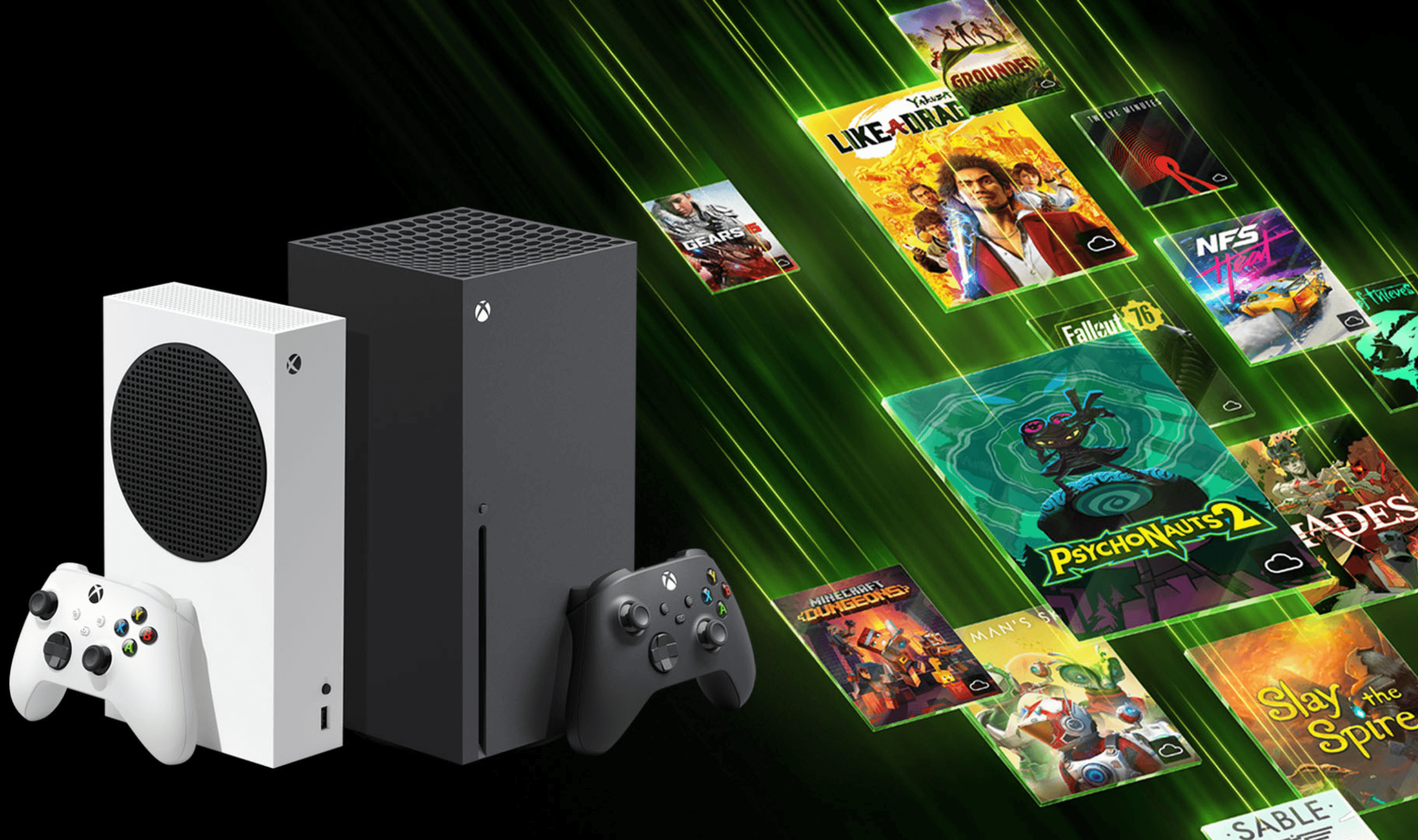
The architect who convinced Microsoft to build a gaming console now believes his creation is receiving end-of-life care from its corporate parent.
Seamus Blackley, who co-created the original Xbox hardware in 2001, told GamesBeat that Microsoft's recent leadership shakeup signals a slow death for the gaming brand. He described new Microsoft Gaming CEO Asha Sharma as "a palliative care doctor who slides Xbox gently into the night."
Blackley's grim assessment follows Microsoft's decision to promote Sharma, a former AI executive with no gaming background, over Xbox president Sarah Bond for the top role. According to The Verge, internal sources had seen Bond's departure coming for months as her strategy to move Xbox beyond consoles failed to gain traction.
Microsoft CEO Satya Nadella has made an "unprecedented monetary and strategic bet" on generative AI, Blackley said in his interview. The company views every business problem through that lens, including gaming.
"Satya has a hammer called gen AI and every single problem is a nail. There's a nail with an Xbox logo on it."
Blackley pointed to Nadella's belief that "AI will subsume games like it will subsume everything" as evidence that traditional video game development conflicts with Microsoft's current direction. The company now focuses on enabling customers through AI-driven solutions rather than supporting creator-driven content businesses like gaming.
The leadership change happened amid declining fortunes for Xbox hardware. Revenue from console sales has dropped for three consecutive financial years, according to The Verge.
Bond's "Xbox everywhere" strategy attempted to reposition phones and tablets as Xbox devices but confused consumers and alienated employees internally.
Microsoft was forced to announce the management transition earlier than planned last week when details began leaking to press outlets. Teams inside Xbox learned about the changes from reporters rather than internal communications, creating what sources described as a day of chaos.
Sharma faces immediate skepticism from both industry veterans and current employees concerned about her AI background. In her introductory memo, she promised not to "chase short-term efficiency or flood our ecosystem with soulless AI slop." She also committed to returning Xbox to its "renegade spirit" while acknowledging she isn't a gamer herself.
Blackley contrasted Sharma's appointment with Microsoft's original approach to gaming in 2001. Back then, he said teams worked hard to maintain "a very pure gaming message" and prevent corporate agendas from transforming the console into "a Microsoft agenda device." That separation helped overcome skepticism about whether Microsoft could create something genuinely fun rather than purely functional.
Current Xbox employees remain cautious about Sharma's direction, worried she might force AI integration across all aspects of the business despite her assurances otherwise. Her background includes overseeing platform launches at Instacart and Meta before heading Microsoft's CoreAI product division.
The departure of Phil Spencer marks the end of an era for Xbox leadership after more than a decade at the helm. Spencer helped rescue the brand following the disastrous Xbox One launch and pioneered consumer-friendly policies like crossplay and Game Pass subscriptions that pressured competitors to improve their offerings.
Microsoft still plans major game releases this year including Fable, Halo, and Call of Duty titles previously announced under Spencer's tenure. However, questions remain about whether next-generation hardware plans or rumored handheld devices will survive under the new leadership structure.