Updated March 6, 2026: While Microsoft has not made an official announcement, multiple reports now point to a potential launch of Windows 12, codenamed 'Hudson Valley Next,' later this year in 2026.
Microsoft hasn't officially announced Windows 12, but mounting evidence from industry reporting suggests a major new version with deep AI integration and a modular "CorePC" architecture is in the works for 2026.
Rumors indicate it may require specialized NPU hardware and could introduce new AI feature tiers, though some speculation about a subscription-based OS has been debunked.
Here's everything we know so far about features, hardware requirements, and what to expect.
Quick Specs at a Glance
| Release Date | Expected 2027 (unconfirmed) |
| Price | Likely free upgrade for Windows 11 users (rumored) |
| AI Integration | Deep Copilot integration, NPU requirements expected |
| Minimum RAM | 16GB rumored (up from 4GB for Windows 11) |
| Storage | 128GB SSD minimum (rumored) |
| Security | TPM 2.0, Secure Boot mandatory |
| Key Features | Modular design, ARM optimization, AI-first interface |
| Codename | Hudson Valley Next |
| NPU Requirement | 40 TOPS for full AI features (Copilot+ PC standard) |
| Potential Naming | May be called "Windows AI" or "Windows Copilot" instead of Windows 12 |
Release Date and Availability
Recent reports suggest 2026 as a potential release window for a next-generation Windows, though Microsoft has not officially announced Windows 12 or confirmed any specific codename.
This projection matches Microsoft's support lifecycle for Windows 11 and a reported return to a three-year release cadence. The latest annual update, Windows 11 25H2, will remain supported through October 2027. This support expiration creates a logical window for Windows 12's introduction. Some industry speculation has suggested various timeframes, but Microsoft has not confirmed any release plans for a Windows 12.
The six-year gap between Windows 10's 2015 launch and Windows 11's 2021 debut provides another reference point, though rumors of a faster three-year cycle have persisted since mid-2022.
Microsoft's public statements have consistently downplayed immediate Windows 12 plans. At CES 2025, the company published a blog post stating that 2025 would be the "year of the Windows 11 refresh," effectively dismissing rumors of a new Windows version that year.
In February 2026, Microsoft again clarified on its official Microsoft Learn platform that it has not officially announced Windows 12. The next major version currently on the public roadmap is Windows 11 26H2.
Rumors about a subscription-based AI OS have been characterized by Microsoft watchers as unfounded speculation. However, credible analysis continues to point to a potential 2026 release for Windows 12, expected to feature deep AI integration and a new modular CorePC architecture.
Design and User Interface
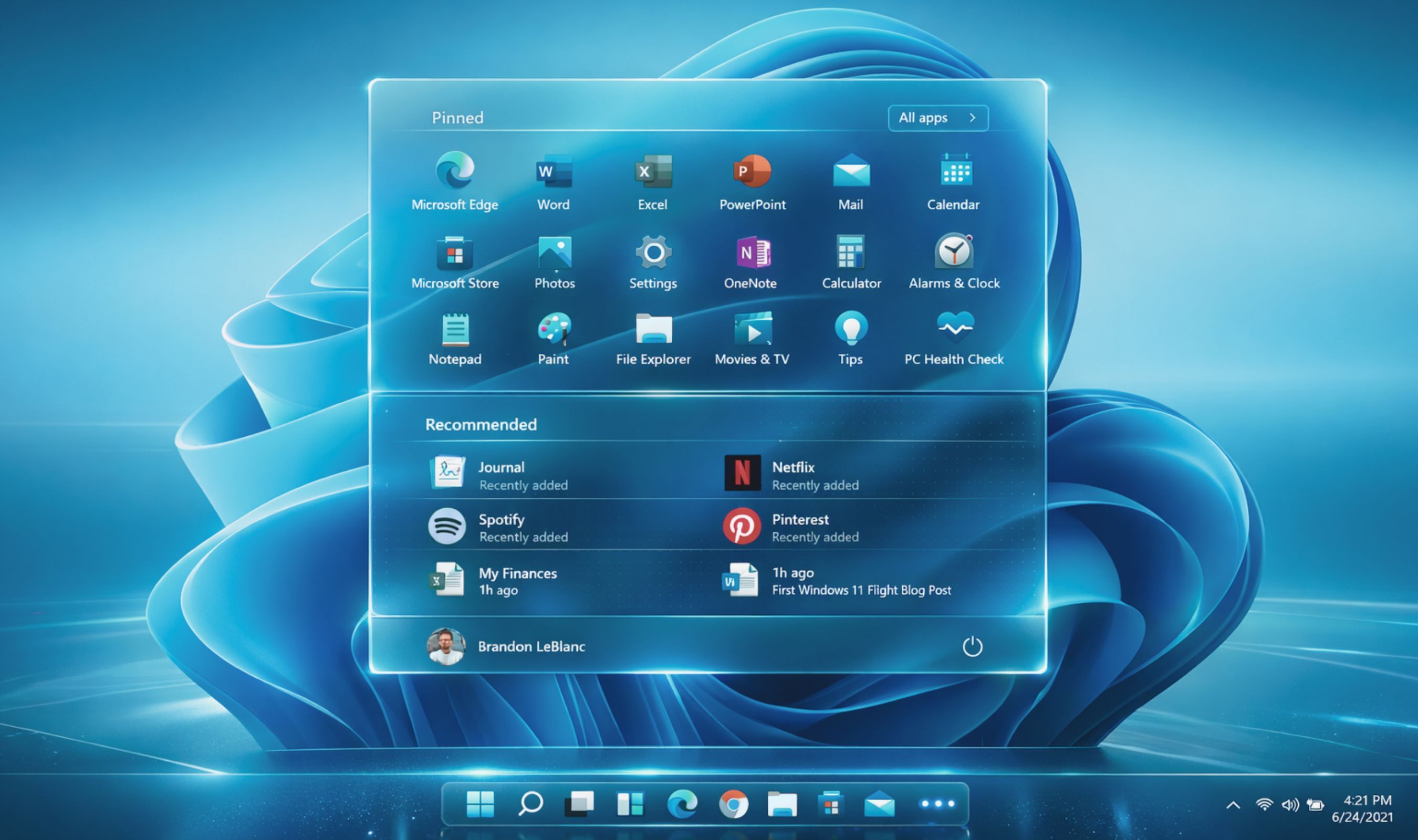
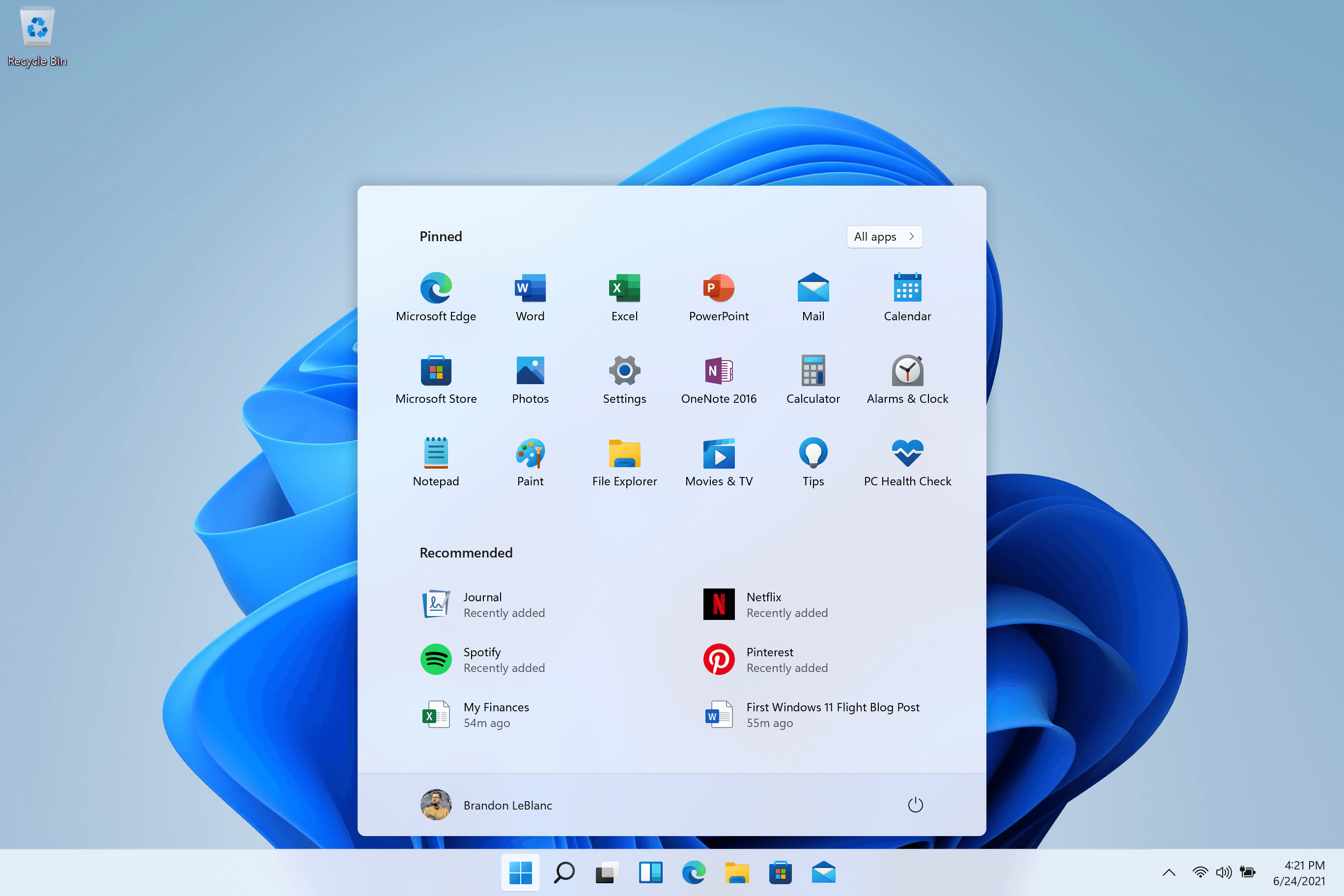
While Microsoft hasn't revealed official Windows 12 interface designs, concept creators and industry leaks suggest several potential directions.
Concept designer Abdi (AR 4789) gained attention in September 2025 with his "Brilliant Windows 12" concept, which proposed features like "Collectzone" for organizing wallpapers and collections, along with quick interactive settings that include enhanced screenshot functionality.
The Windows 12 interface is expected to build upon Windows 11's visual foundation while introducing more AI-driven elements. Microsoft may move toward more contextual, adaptive interfaces that respond to user behavior and intent.
This matches widespread industry reporting that a version of Windows codenamed 'Hudson Valley Next' is expected in 2026 with deep AI integration, though Microsoft has not officially announced Windows 12 as of February 2026.
Potential improvements include the Start menu, taskbar functionality, and widget integration. The modular design approach rumored for Windows 12 could allow for more customizable interface components that users can enable or disable based on their needs.
This modularity is tied to the rumored CorePC architecture intended to make the OS more adaptable. Underlying system improvements may also continue, building on recent additions to Windows 11 like the new sudo command for streamlined privilege elevation in the terminal.
AI Integration and Features
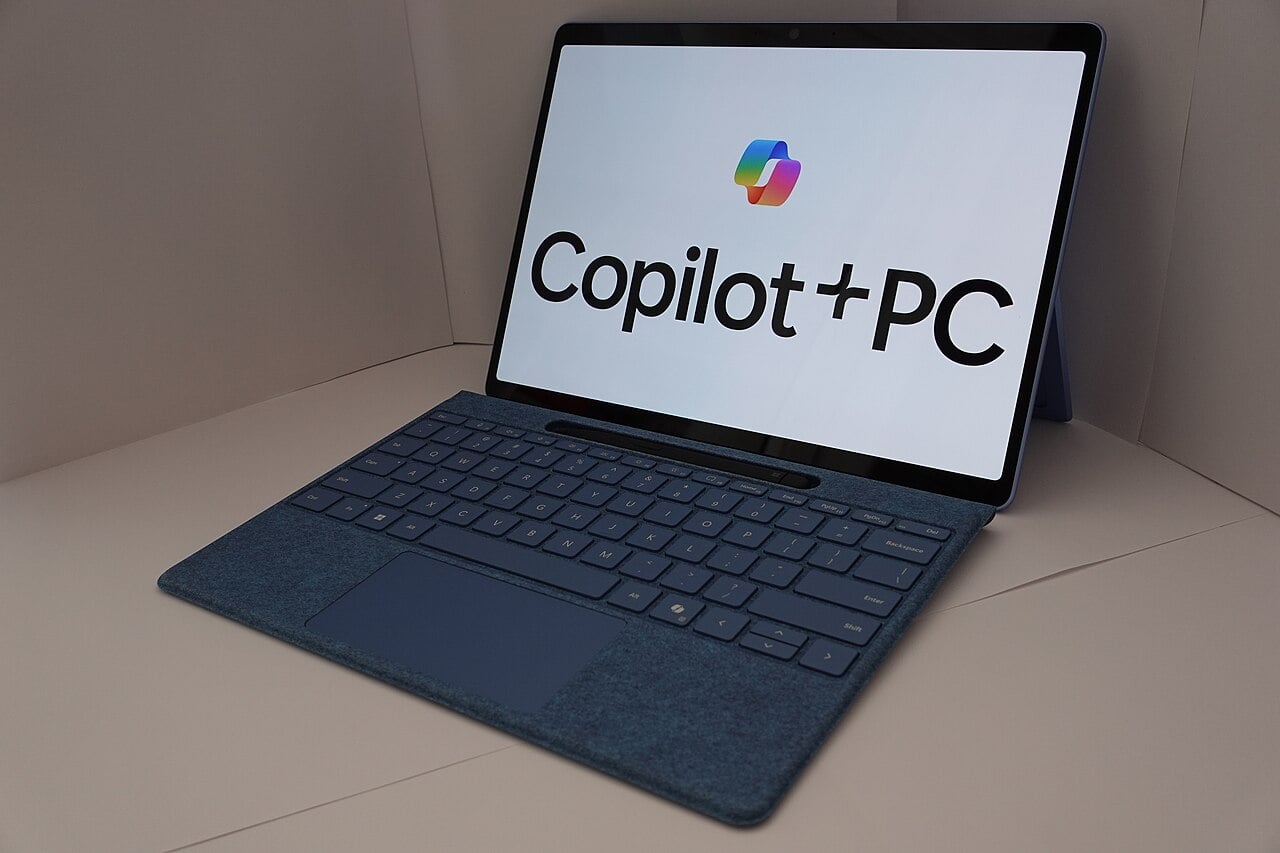
Artificial intelligence is shaping up to be the headline feature of Windows 12, building upon the Copilot foundation established in Windows 11. Microsoft will likely deepen AI integration throughout the operating system, moving beyond the current sidebar-based Copilot implementation.
Windows 11's 23H2 update introduced powerful AI tools including Copilot, while the 24H2 update added more features, especially for Copilot+ PCs. Microsoft has announced the most significant Copilot integration in Windows yet, letting users analyze and control anything on their PC and presenting a Copilot search box on the taskbar.
These features are expected to evolve significantly in Windows 12. A next-generation Windows might feature deep AI integration and modular architecture. To access the full suite of next-generation AI features, devices will likely require Neural Processing Units (NPUs) with at least 40 TOPS of performance.
Microsoft may also introduce subscription models for premium AI capabilities within the OS. The type of AI that can anticipate user intentions could be particularly powerful, though it risks backlash if not implemented carefully.
With desktop system components and Windows itself now including built-in support for AI functions like machine learning, it makes sense for Microsoft to take greater advantage of these capabilities.
AI technology on the back end could also improve code stability, security, and update delivery.
It is important to note that Microsoft has not yet officially announced Windows 12 as of early 2026. All details about its AI features and requirements remain based on reporting and industry speculation.
Hardware Requirements and Compatibility
Speculation about a next-generation Windows suggests it might raise hardware requirements compared to Windows 11, continuing the trend Microsoft established with the transition from Windows 10.
Leaks suggest a minimum of 16GB of RAM (with 32GB recommended) and an SSD with at least 128GB of storage. That would be a major jump from Windows 11's 4GB RAM minimum and Windows 10's 1-2GB requirements.
Neural Processing Unit (NPU) support appears likely to become a key requirement for accessing Windows 12's full AI capabilities. Microsoft already requires 40 TOPS (trillions of operations per second) for Copilot+ PC certification, and this benchmark will likely carry forward as a baseline for Windows 12's AI features. PCs lacking NPUs might not receive official support for certain AI features when Windows 12 arrives.
Security requirements will continue their upward trajectory. TPM 2.0 and Secure Boot, already mandatory for Windows 11, will remain essential for Windows 12. Microsoft pushes hardware-backed security because software-only protection is easier to bypass.
If encryption keys and sign-in protections live in dedicated hardware, attacks become harder and recovery gets cleaner.
Performance and ARM Support
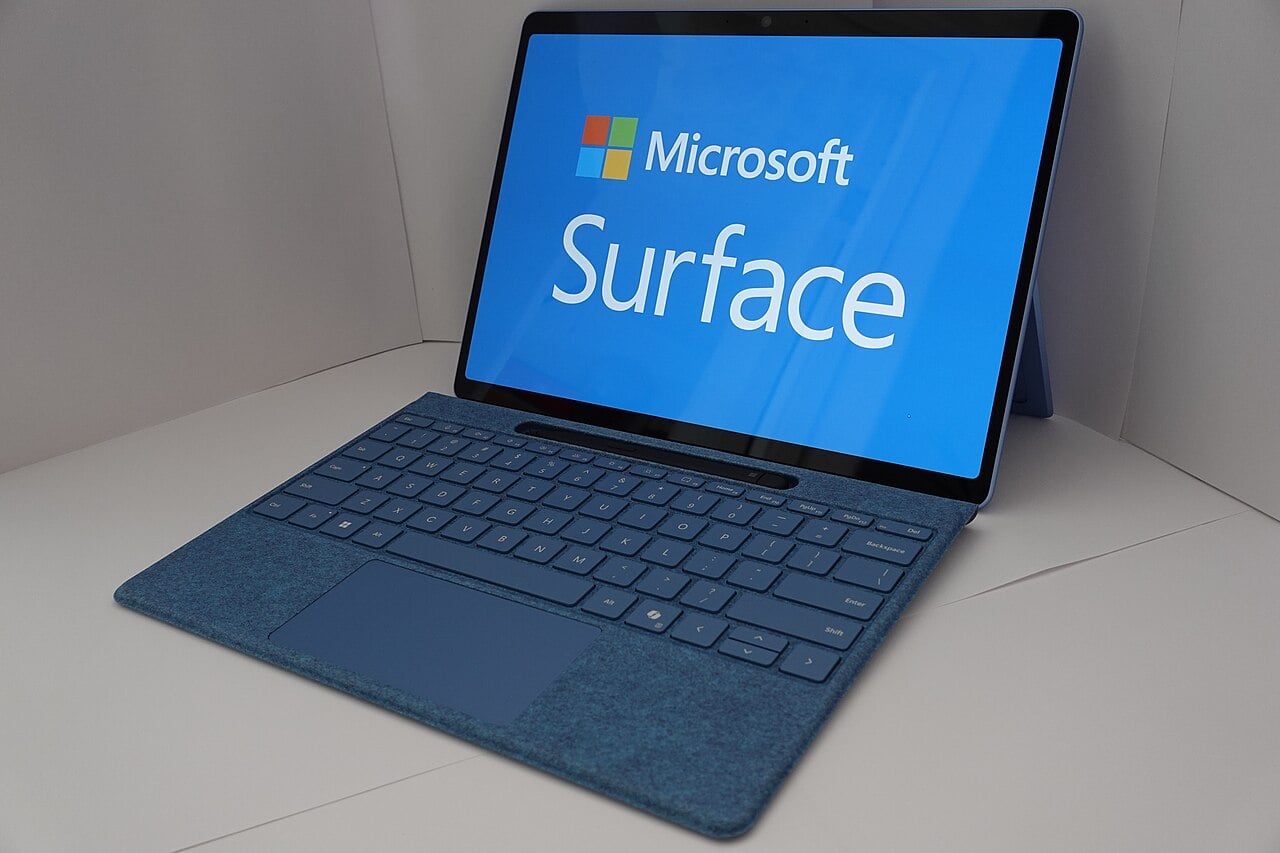
Microsoft's efforts to improve Windows performance on ARM processors are expected to reach new heights with Windows 12. The company has faced criticism for years regarding lackluster performance on non-Intel/AMD-powered PCs, especially compared to Apple's success with Apple silicon.
However, new Germanium platform code appears to have markedly improved the situation.
Copilot+ ARM-based PCs include a new Prism emulator to allow non-ARM-optimized applications to run with good performance. Users can run optimized and non-optimized apps on ARM-based Surface Laptops without major compatibility or performance issues.
Qualcomm has claimed that the Snapdragon X Elite is approximately 21% faster than Apple's M3 chip in multi-core performance, though independent benchmarks from Macworld put the gap closer to 19%. While a fast chip is valuable, especially one with strong AI processing power that Windows now needs for Copilot, the operating system and apps need to keep up too.
If Windows 12 launches in 2026 as widely reported, it will likely continue this ARM push and may require NPUs with 40 TOPS for full AI functionality. This focus on ARM and AI performance could help Microsoft attract more users to the latest Windows version.
Modular Design and CorePC
The concept of a modular version of Windows has circulated for at least five years, and Windows 12 may finally realize this vision. Sometimes referred to as Core OS or CorePC, a modular Windows would separate operating system components, enabling smoother updates and better security.
This approach would also allow Microsoft to tailor Windows instances to specific platforms and use cases.
Some modular Windows instances might not need the ability to run all legacy Windows applications, saving system resources by omission. The prime example of this core-based approach was Windows 10X, which never reached full release status.
The idea behind it was to create a lightweight OS that could compete with ChromeOS. Microsoft ultimately used some Windows 10X interface concepts in Windows 11, such as the centered taskbar.
Some industry analysis has suggested that a future Windows version might incorporate modular design elements. A modular Windows 12 could represent Microsoft's most meaningful architectural shift since the transition from Windows 9x to Windows NT.
By separating components, Microsoft could deliver faster updates, improved security through isolation, and customized versions for different device types, from lightweight tablets to powerful workstations.
The company has clarified that information about a subscription-based AI OS for 2026 is not accurate.
Subscription Model Rumors
Eagle-eyed code watchers have noticed references to "subscription edition," "subscription type," and "subscription status" in the code for Windows Insider builds in the Canary channel. These references have led to speculation that Microsoft may require a subscription for Windows 12, potentially lowering PC prices as a result.
Further speculation suggests a free, ad-supported version of Windows 12 may also become available.
However, these remain unconfirmed rumors. A stronger possibility is that subscription references relate to business users, similar to the already available Windows 365 Cloud PC option.
Industry analysis from sources like PCWorld suggests that if a subscription model emerges, it would likely be for premium AI features rather than for the core operating system itself.
Some industry observers have characterized subscription-based Windows rumors as unfounded speculation rather than confirmed plans. The company has clarified that the next major update on its roadmap is Windows 11 26H2.
A subscription requirement for the core OS would likely outrage longtime Windows users, mirroring the initial backlash when Adobe Photoshop moved to a subscription model.
However, users eventually adapted to Adobe's model, boosting the company's profits and enabling impressive new feature development. Microsoft will need to carefully balance any subscription approach with user expectations and market realities.
Software and Ecosystem Integration
Windows 12 will likely deepen integration with Microsoft's broader ecosystem, including Azure, Microsoft 365, and Xbox services. The operating system may offer tighter connections between Surface devices, Xbox consoles, and Microsoft 365 applications, creating a more smooth cross-device experience.
Gaming is another area to watch. Microsoft has been iterating on DirectX 12 for a decade through the Agility SDK, and Windows 12 may bring further graphics optimizations and resource management improvements for gamers.
These changes would help Microsoft maintain Windows' dominance in the PC gaming market.
Enterprise features will also see attention. Windows 12 will likely continue resetting the support clock back to 35 months for enterprise editions and 24 months for consumer and pro editions, as Windows 11 version 25H2 does. This extended support timeline provides organizations with stability and predictability for their upgrade planning.
An expected key feature of Windows 12 is deep AI integration, potentially requiring Neural Processing Units (NPUs) with 40 TOPS for full functionality. There has also been speculation about subscription models for premium AI features, though Microsoft has not confirmed any such plans.
Until Microsoft begins testing Windows 12 features through the Windows Insider program (likely starting with the Canary channel), the smart approach is to maintain current Windows 11 systems and monitor hardware developments.
When Windows 12 does arrive, with reports suggesting a possible launch in 2026, it will likely combine evolutionary refinement with deeper AI integration, and how well Microsoft executes on that balance will determine whether it's a hit or a headache.