
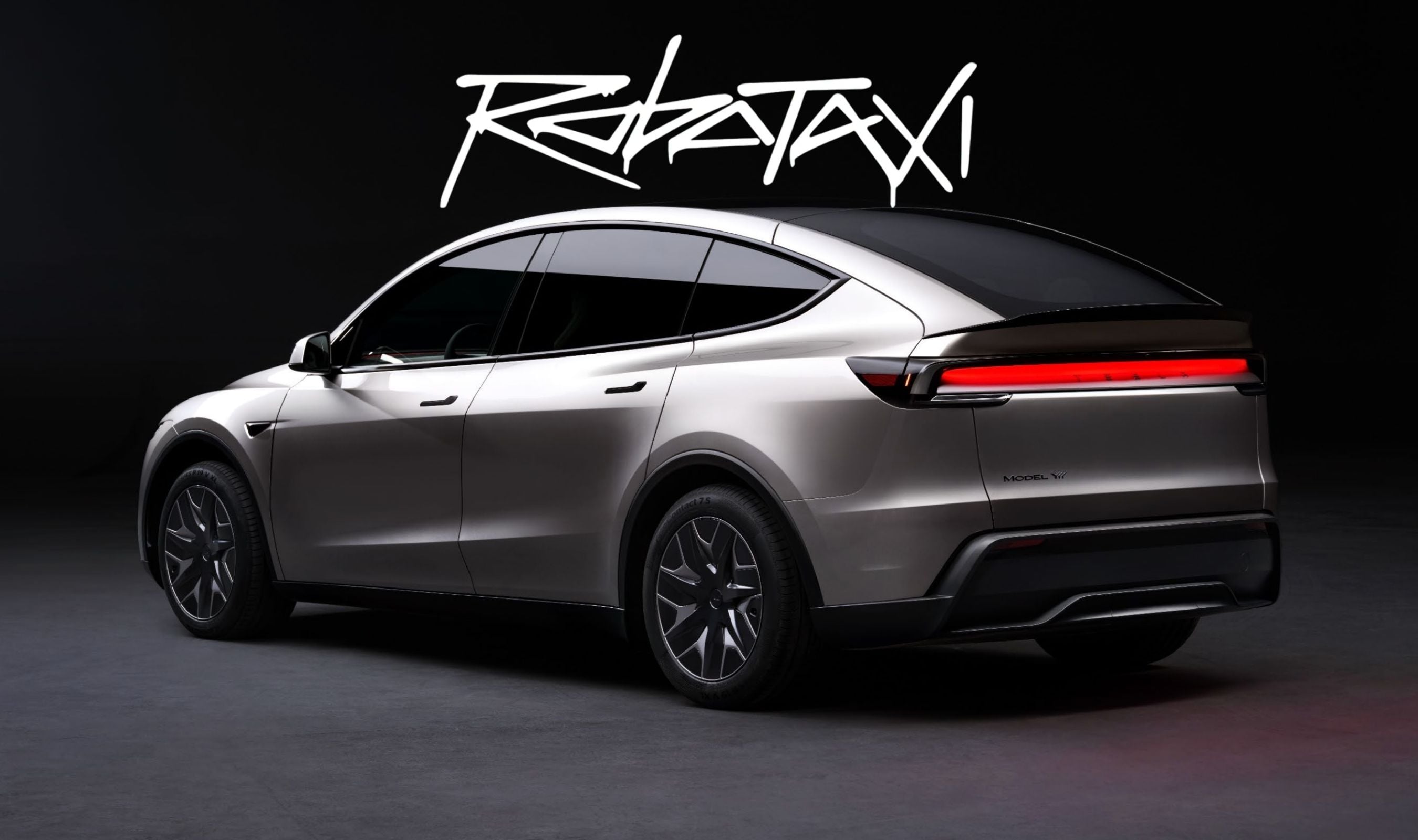
Just 42 Tesla robotaxis are operating in Texas nearly a year after Elon Musk launched the service, new filings with the Texas Department of Motor Vehicles reveal. That is less than one-tenth of Waymo's 577 authorized vehicles in the state, according to DMV records published May 28. The numbers land as a new Texas oversight law took effect requiring commercial driverless vehicle operators to self-certify their fleets as Level 4 autonomous and disclose vehicle counts to the state. Tesla has been running its Robotaxi service in Austin since June 2025, later expanding to Dallas and Houston. But the DMV filing is the first official look at the fleet's actual size.
Tesla is also trailing AV Ride, which registered 317 automated vehicles in Texas. Amazon's Zoox had 35. The gap between Musk's projections and on-road reality is stark. Last fall, Musk said Tesla would have 500 robotaxis in Austin alone by the end of 2025. The company later dialed back those expectations. The 42-vehicle count across three cities represents roughly 8% of that single-city target.
Waymo, by contrast, operates a commercial fleet of close to 4,000 vehicles across the U.S. and is rapidly expanding. On May 28, the Alphabet unit began offering select riders trips in its new purpose-built Ojai robotaxi, equipped with a 6th-generation Driver that cuts sensor costs by 42% while adding snow-capable operation. Waymo has surpassed 20 million fully autonomous trips across 11 cities and delivers roughly 500,000 paid rides per week.
Tesla's Austin fleet logged 17 known incidents between July 2025 and April 2026, according to NHTSA filings. Two involved minor injuries, one requiring hospitalization.
All occurred with human safety supervisors on board.
Tesla has historically told regulators its cars feature Level 2 driver assistance systems, not Level 4 autonomy. The company has not disclosed how it came to self-certify its Robotaxi vehicles as Level 4 under the new Texas law.
Waymo has long classified its fleet as Level 4. The new transparency requirements force Tesla to publish fleet numbers it previously kept private. The company operates a rideshare service in the San Francisco Bay Area but lacks approvals for driverless rides there.
Tesla has filed for testing permits in Arizona, Nevada, and Florida but has yet to launch paid driverless service in any of those states.
Musk has said the robotaxi network is unlikely to generate meaningful revenue for Tesla this year.