
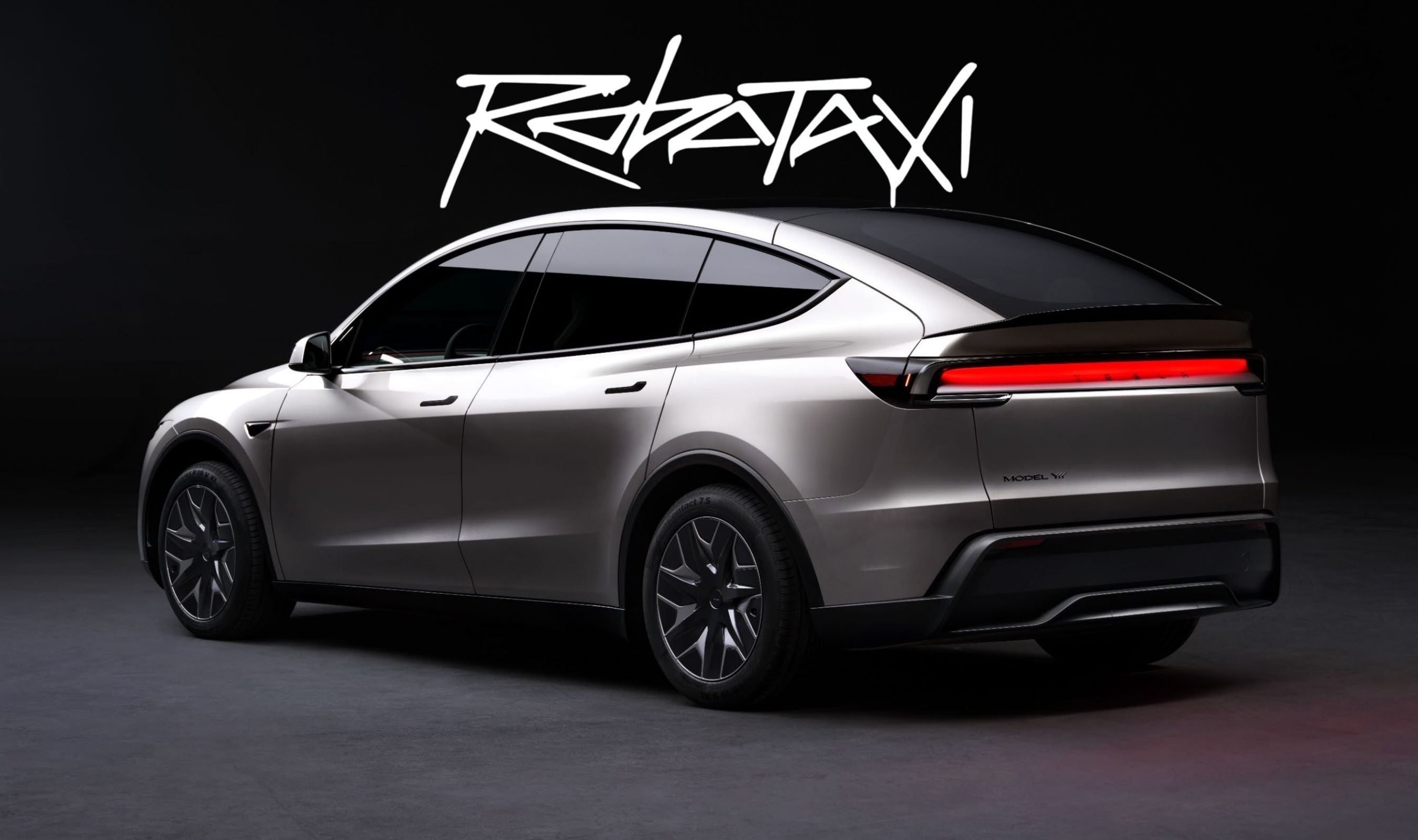
Tesla mapped a 14-square-mile Robotaxi zone in Miami on Friday, its third state in just over a year of commercial operations. But the company's expansion narrative is running up against a problem it hasn't solved in the city where it's had a full year to figure it out: it still can't scale.
"Robotaxi now available in Miami," Tesla's official Robotaxi account posted on X alongside a map of the service area. The geofence covers roughly 10 to 14 square miles of western Miami-Dade County, encompassing West Miami, Doral, Coral Gables, and Miami International Airport.
Downtown Miami and Miami Beach are not included. The launch makes Florida the third state to host Tesla's driverless ride-hailing service, following Texas and California. The fleet currently runs Model Y vehicles, and a Cybercab was spotted on Miami streets the day after launch, the first confirmed sighting of the purpose-built two-seater in the Miami fleet.
No timeline has been set for when Cybercab rides will be bookable by the public. But the Miami rollout lands against a sobering backdrop in Texas, where Tesla launched Robotaxi in Austin in June 2025. A year later, the unsupervised fleet is shrinking, not growing.
City officials peg Tesla's Austin fleet at roughly 50 vehicles, with the truly driverless portion far smaller. Recent data shows the unsupervised count sliding from a peak of about 25 vehicles down toward roughly 14 active cars.
Wait times routinely stretched past 15 minutes, and in more than a quarter of checks, no cars were available at all. The bottleneck is safety. On Tesla's Q1 2026 earnings call, Elon Musk told investors that safety validation is the limiting factor for Robotaxi expansion and that the company is waiting on a rewritten FSD v15 before scaling.
Tesla has reported a string of crashes to NHTSA in Austin, and independent analysis has pointed to a crash rate roughly four times worse than the average human driver. The contrast with Alphabet's Waymo is stark. Waymo has registered 577 automated vehicles in Texas, according to state data, more than 13 times Tesla's 42 registered robotaxis in the state.
Miami's service area prioritizes airport-linked routes over dense urban coverage. The zone includes the Palmetto Expressway and Tamiami Trail but skips the city's core.
Florida law permits fully driverless vehicles that meet federal standards, and Coral Gables fire crews completed emergency response training with Tesla before the launch.
Tesla has named Phoenix, Las Vegas, Orlando, and Tampa as future expansion targets. But the company's timeline has softened from a firm "first half of 2026" to vaguer language about "preparations underway." Large-scale expansions are waiting on FSD v15, expected later this year or early next year with 10 times as many parameters as current builds.
On the positive side, a Tesla Robotaxi completed a reported "flawless" unsupervised ride through rainy Miami conditions on launch day, wet roads have historically challenged autonomous sensor systems. No incidents or disengagements were reported.
Tesla also reported second-quarter vehicle deliveries that exceeded Wall Street expectations, supported by a rebound in European demand. But the Robotaxi story remains one of mapping ambition running ahead of operational reality.
A geofence is not a fleet. And until Tesla can put more than a couple dozen genuinely driverless cars on the road in a single city, drawing boxes on maps is the easy part.