
SpaceX reportedly explored buying customer and operational data from startups that had failed or were running out of money, with the material meant to train artificial intelligence models, according to Bloomberg. Teams inside SpaceXAI held informal discussions about acquiring datasets from financially struggling or defunct companies. There is no indication that any purchase will actually happen, and no price or timeline has been disclosed.
The talks point to a wider scramble for training data now that public web sources are increasingly picked over. Google won a bankruptcy auction for Spirit Airlines' data with a bid of $10 million, a figure that shows what a single corporate collapse can be worth to an AI developer. That dataset contains roughly 100 million emails and 500 million Microsoft Teams chats. Passenger profiles and frequent-flyer records were left out of the sale.
Google says a third party will scrub personally identifiable information from the Spirit material and that it will not attempt to re-identify anyone. The Association of Flight Attendants still raised concerns about what employee information the purchase might expose. The episode illustrates the tension companies face when they treat the wreckage of failed businesses as raw material for model training.
Public trust in the companies handling that data is uneven. A 2025 Bitdefender survey of more than 7,000 people across seven countries found that 88% trust Google to some extent, while 85% say the same of Microsoft and 77% of Apple. Distrust runs higher for social platforms and AI developers: 52% do not trust X/Twitter at all, 51% say that of TikTok, and 45% distrust OpenAI. When it comes to what should stay private, 59% want payment information kept away from major tech companies and 46% want personal details protected.
SpaceXAI is not limited to outside purchases. It also draws on information from Elon Musk's other companies, according to the report. Musk reportedly told SpaceX staff that Grok would learn from the company's own information, telling them: "It'll be trained on you."
The report lands as SpaceX's Starlink business keeps expanding its consumer-facing operations. In February, Starlink moved its phone line to 24/7 hours and opened it to callers in Australia and New Zealand, after a stretch of more limited hours. The hotline first appeared in 2024 for subscribers in the United States and Canada, and callers must provide their registered subscription phone number.
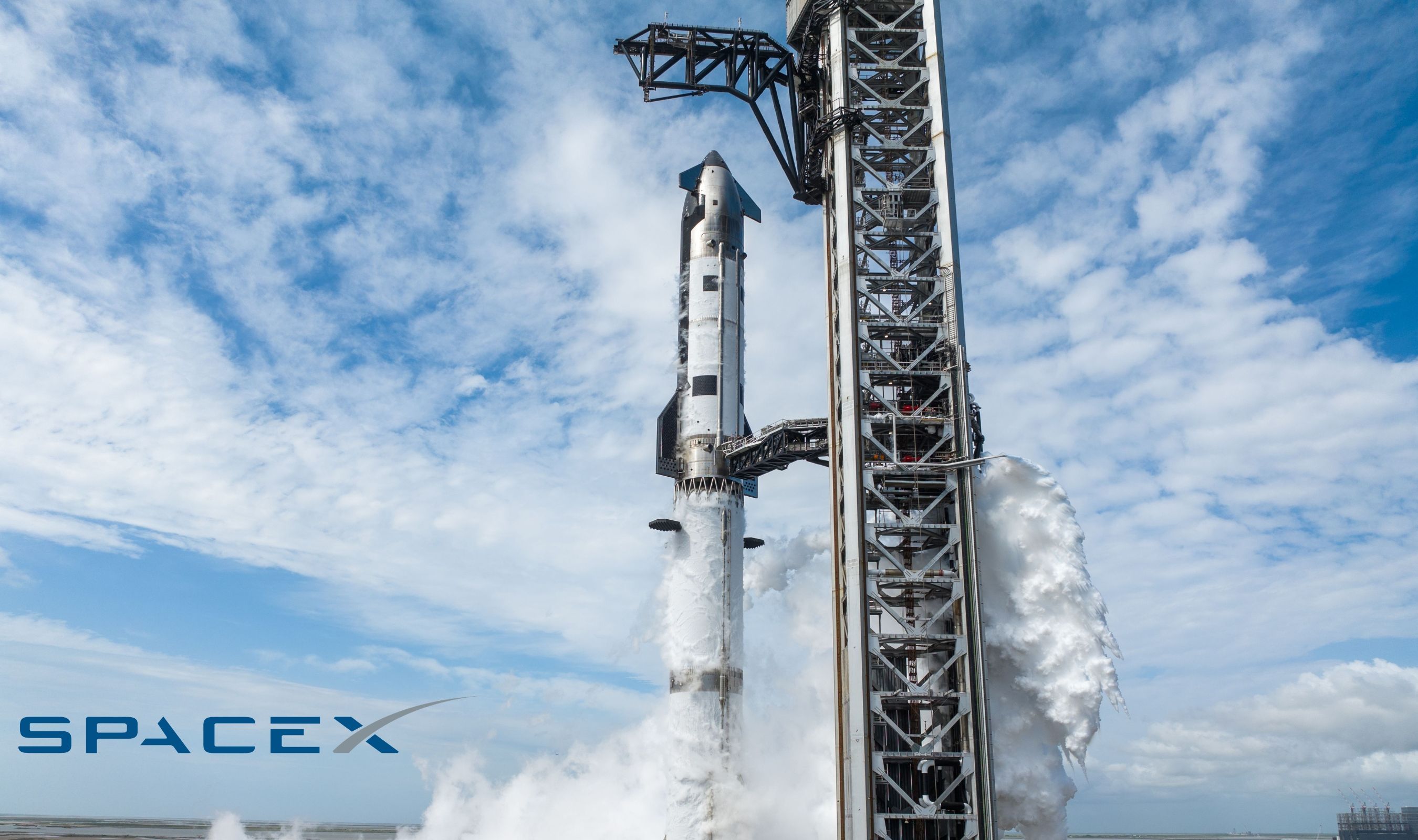
As of that February report, the constellation topped 9,600 satellites, and SpaceX had just sent up 24 more from Vandenberg on what was then its 12th Starlink mission of 2026. The booster on that flight, B1100, was making its third trip, and the first stage landed on the droneship 'Of Course I Still Love You' about 8.5 minutes after liftoff. SpaceX is targeting a public offering in mid-to-late 2026.
What the report does not establish is whether any data deal will be signed, what it would cost, or which companies might sell. For now the only confirmed transaction in the story is Google's, and it belongs to Spirit's bankruptcy estate rather than to SpaceX.