
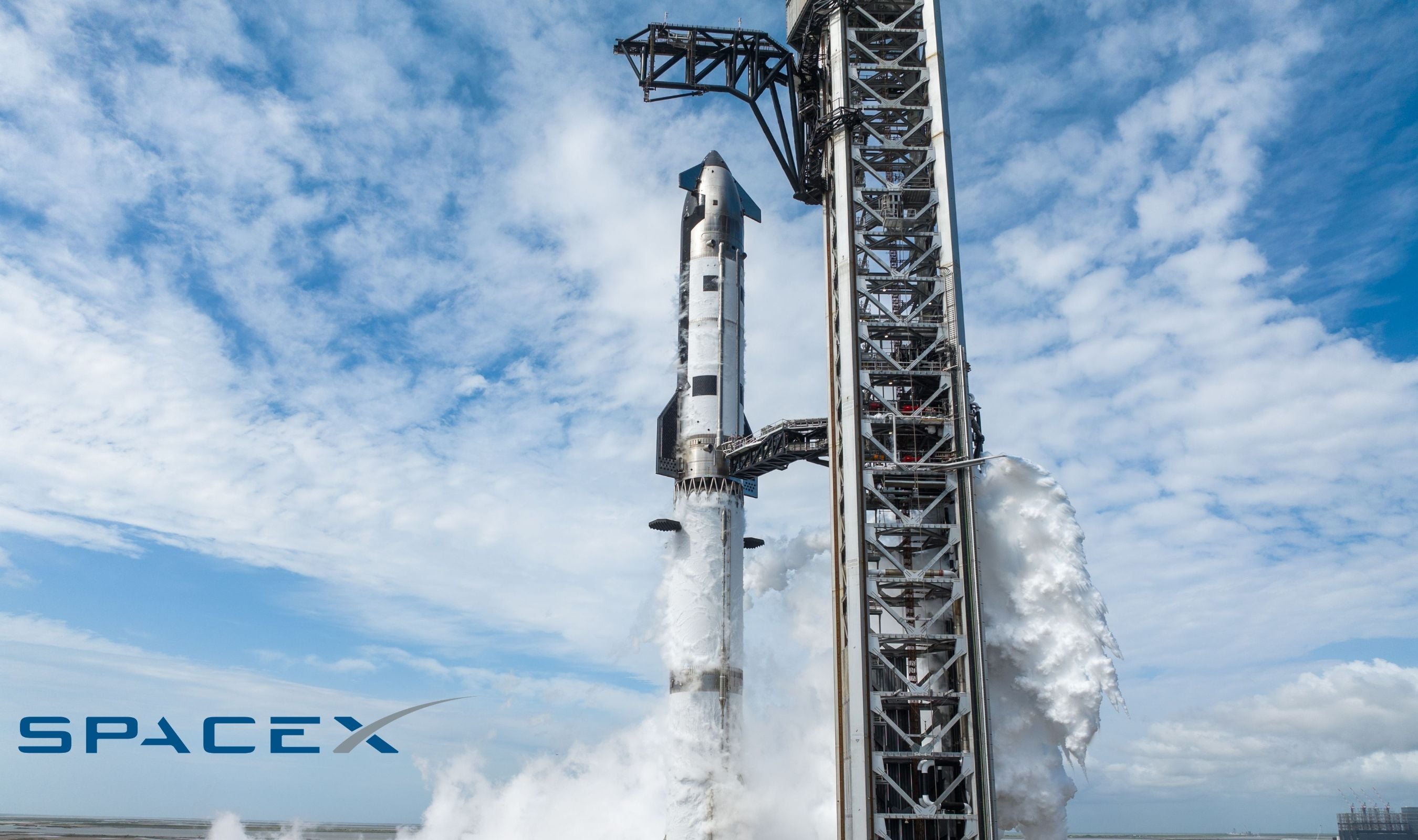
Elon Musk's SpaceX hits Wall Street on Friday with 555.6 million shares priced at $135 apiece, in what is expected to become the largest IPO in history with proceeds around $75 billion. But the real story isn't who can buy shares. It's who can't avoid them.
Millions of Americans will become involuntary SpaceX investors the moment the company enters the Nasdaq 100. That's because Nasdaq changed its rules last month to let SpaceX join the index after just 15 trading days, down from the standard one-year waiting period.
Index funds that track the Nasdaq 100, including the $460 billion QQQ exchange-traded fund, will automatically buy SpaceX shares. Any retirement account holding those funds gains exposure to the rocket company by default. The rule change was requested by Musk himself, though Nasdaq President Nelson Griggs said on Bloomberg TV that the exchange was already planning the modification, arguing that SpaceX and AI companies OpenAI and Anthropic are so large that investors needed access to them.
S&P 500 Says No
S&P Dow Jones Indices took the opposite position. On Thursday, the index provider said it would not change its 12-month seasoning period or waive profitability requirements for megacap IPOs.
SpaceX posted a $4.94 billion net loss in 2025 even as revenue rose 33% to $18.67 billion, and the company would need to trade for a full year before it could enter the S&P 500. That matters because Vanguard's VOO fund, which tracks the S&P 500, has surpassed $1 trillion in assets. The split created a two-track system: Nasdaq fast-tracks SpaceX into its index, S&P 500 makes it wait.
The Passive Investor Trap
Economists are divided on whether Nasdaq's move was prudent. San Diego State University's David Ely warned that passive investors in index funds will be forced "almost immediately to hold positions in SpaceX," exposing retirement accounts to volatility that a one-year waiting period was designed to filter out.
UC San Diego's Caroline Freund noted that many of the largest recent IPOs lost value in their first year. "If they underperform, retirement savers pay the price," she said.
University of San Diego's Norm Miller was more blunt. SpaceX is barreling toward index inclusion "not because it's a sound investment, but because its sheer valuation forces index committees' hands," he said. The listing moment, he argued, "looks far more like an investor exit ramp than a genuine capital raise."
Supporters counter that SpaceX is not a typical startup. It has generated billions in revenue and stayed private far longer than most companies.
"Waiting a year is unlikely to change volatility," said Scripps Health's Chris Van Gorder. "Companies like SpaceX are coming to market after an extended period of time being private and after having generated billions in revenue."
Who Gets In
Individual retail investors can buy SpaceX shares directly when trading opens Friday. But even those who don't may still get exposure. The BBC noted that pension funds, savings plans, and index-tracking funds will automatically buy in, meaning "millions of people will find their money is affected, at least in some small way, by what happens at the company."
Musk will retain control through a special class of super-voting shares, making him effectively the only person who can fire himself as CEO. Pension funds for firefighters, teachers, and other workers in California and New York sent a letter last month objecting to the governance provisions, including mandatory arbitration and the concentration of power.
They said they could become SpaceX owners anyway through their index fund holdings.
SpaceX is going public now because it needs capital to put 100,000 next-generation Starlink satellites into orbit and deploy AI data centers in space. In a video call with JPMorgan CEO Jamie Dimon, Musk described the opportunity as a "massive new growth base."
Wedbush Securities analyst Dan Ives summed up the risk for investors: "At the end of the day Musk is SpaceX and SpaceX is Musk."