
Samsung's smartphone punch-hole camera technology, first seen on the Galaxy S10 in 2019, is doing something entirely different inside Ferrari's first electric car. The Korean display maker is exclusively supplying four OLED panels for the Ferrari Luce, using its HIAA (Hole in Active Area) tech to create massive openings through which physical mechanical gauges poke and rotate in real time.
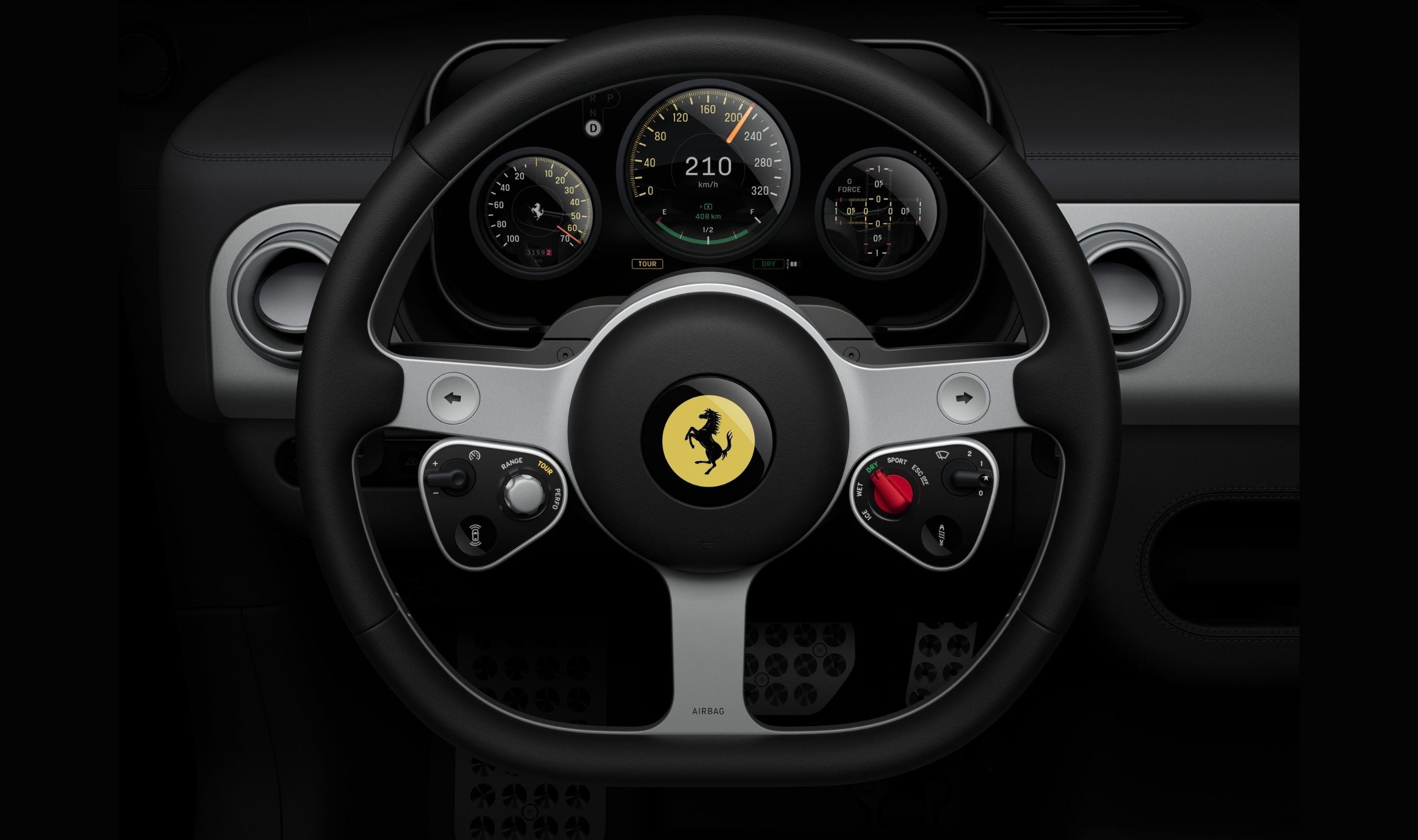
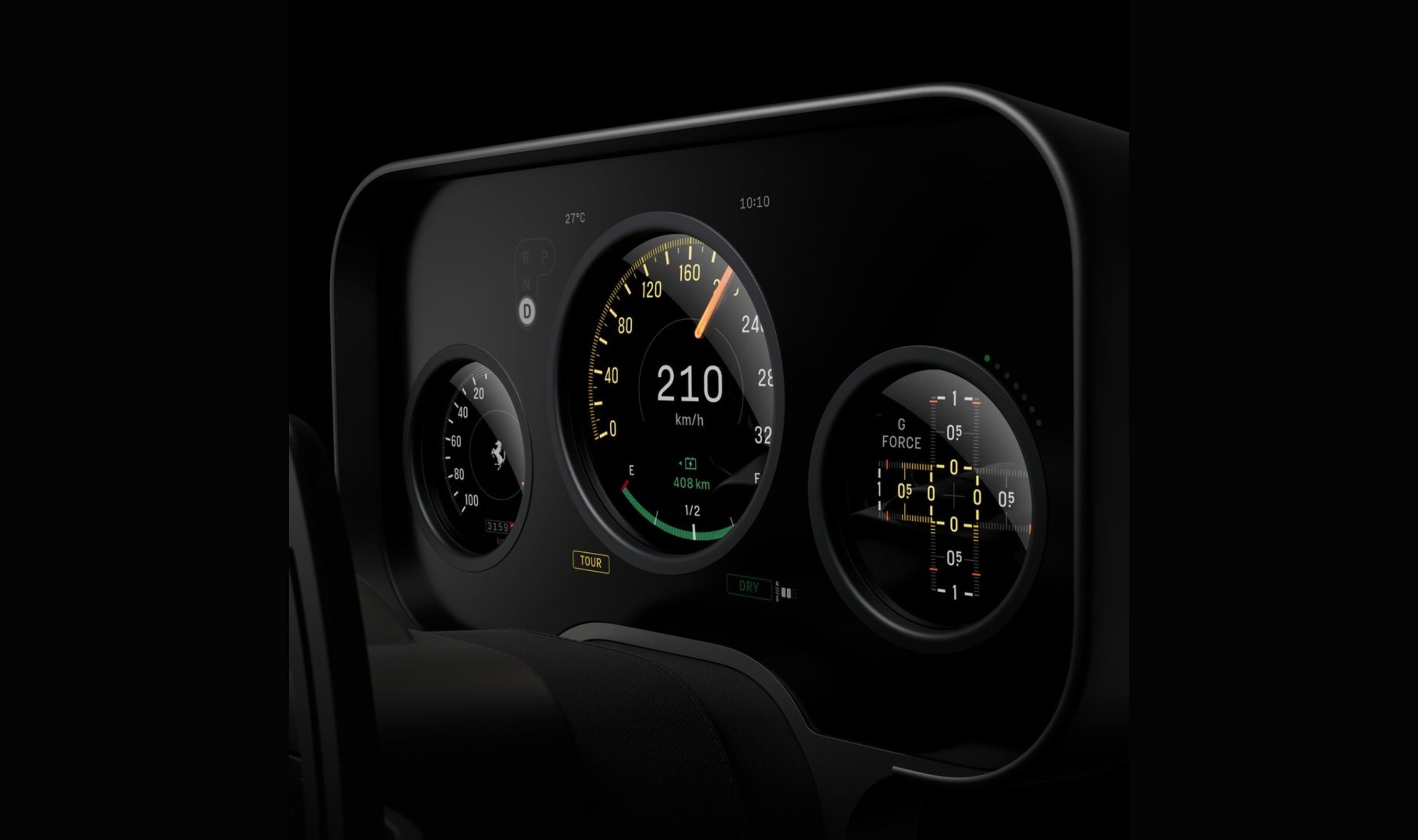
The Luce, unveiled at Ferrari's World Premiere event in Italy on Monday, was designed inside and out by former Apple design chief Jony Ive and his collective LoveFrom. The four-door EV, priced at €550,000 (around $640,000), marks Ferrari's entry into the electric era. But the most radical part of the car isn't its 1,035-horsepower quad-motor powertrain, it's the dashboard. The centerpiece is a layered driver's binnacle built from two stacked OLED panels: a 12-inch display on the bottom and a 12.9-inch panel on top. The lower screen renders background graphics and gauge indexes, while the upper panel features three circular cutouts roughly 100mm across, about 20 times larger than the holes Samsung punches for smartphone selfie cameras.
Physical mechanical hands move in the space between the two panels, creating a three-dimensional instrument cluster that blends digital precision with analog tactility.
"The all-new display system implemented in the Ferrari Luce delivers an unprecedented cockpit experience, where Ferrari's heritage and future-oriented technology coexist in harmony," said Ernesto Lasalandra, Ferrari's chief research and development officer.
Samsung had to solve significant engineering challenges to make this work. The 100mm openings required optimizing individual signal paths around the cut edges to prevent distortion. The company applied advanced Thin Film Encapsulation to protect OLED materials from moisture and air exposure at the cut sites. Samsung Display holds more than 500 patents related to its HIAA technology, which it pioneered with the Galaxy S10 and Note 10 lineups.
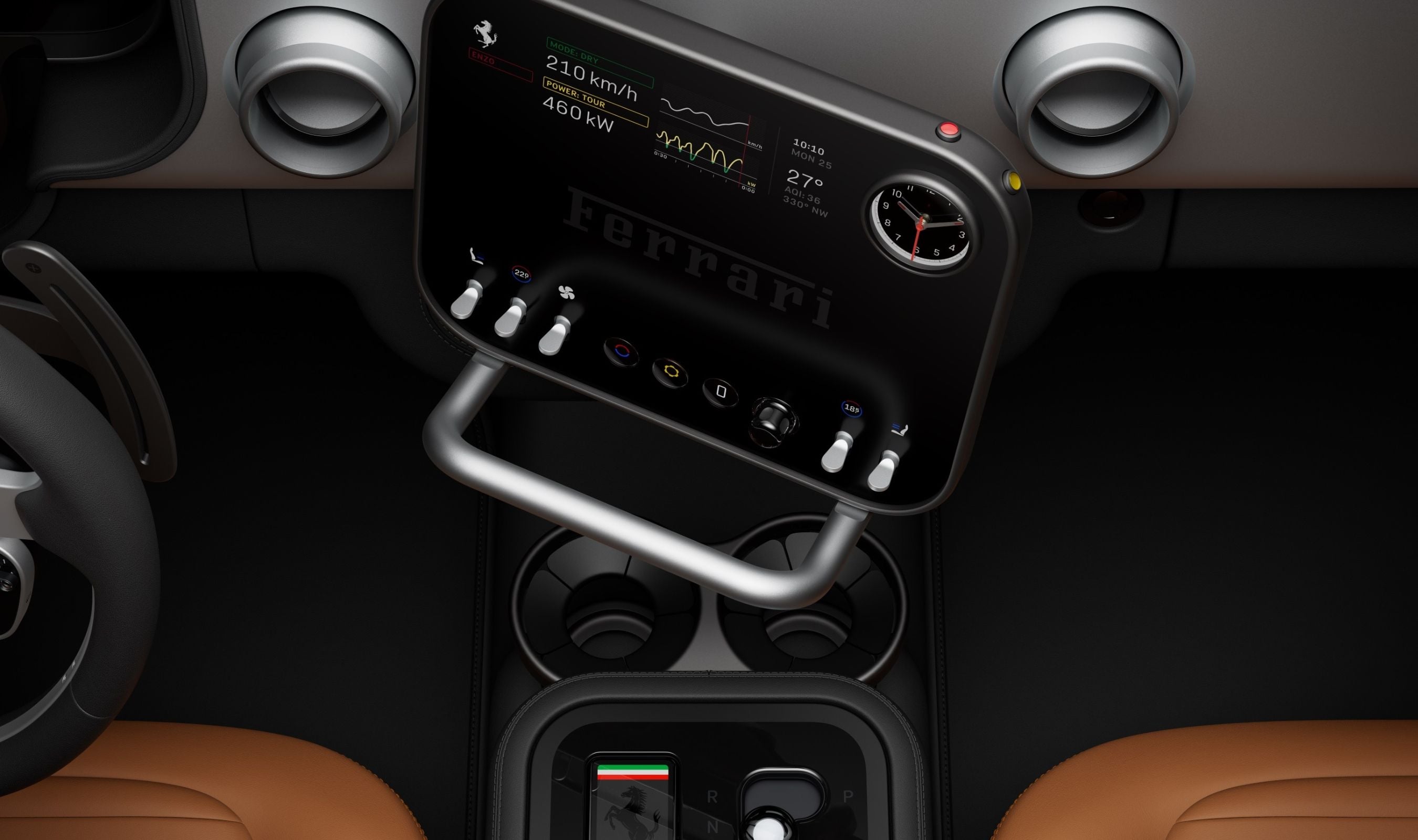
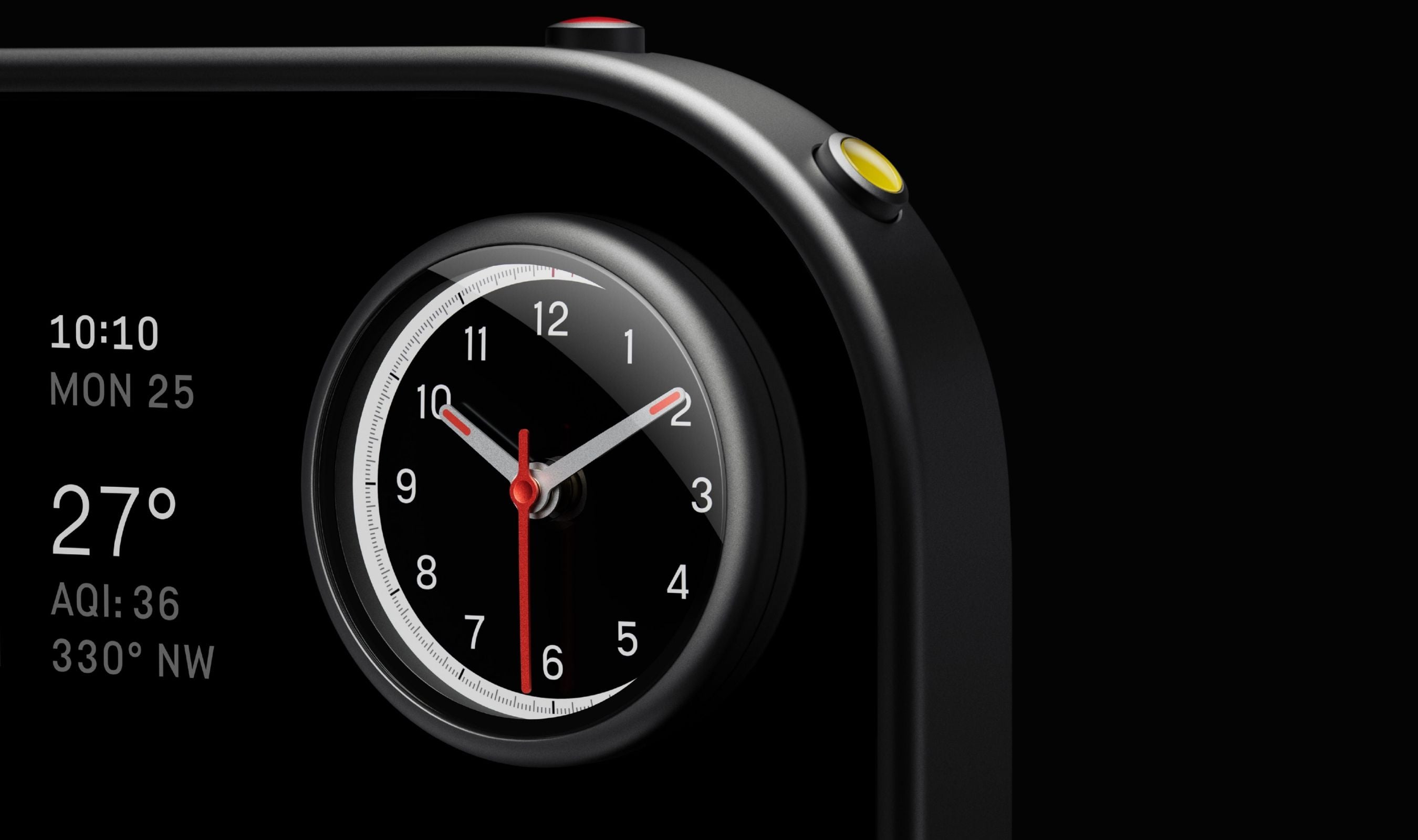
The same approach carries over to the 10.1-inch central control panel, which also uses HIAA tech. Three mechanical hands, hour, minute, and second, rotate 360 degrees through small perforations in the OLED panel, displaying configurable functions including a clock, stopwatch, and compass. A 6.3-inch OLED panel in the rear gives back-seat passengers climate controls and driving information readouts. In total, Samsung Display supplies four panel sizes across three digital display zones in the Luce cabin. The design marks the industry's first multilayered OLED display structure in a production vehicle, according to Samsung.
"The Ferrari Luce is a milestone car that demonstrates OLED's technological advantages in enabling virtually any design," said Joohyung Lee, executive vice president and head of Samsung Display's Mobile Display Business.
Deliveries of the Luce are scheduled to begin in the fourth quarter of 2026, with U.S. arrivals expected in the second quarter of 2027.