
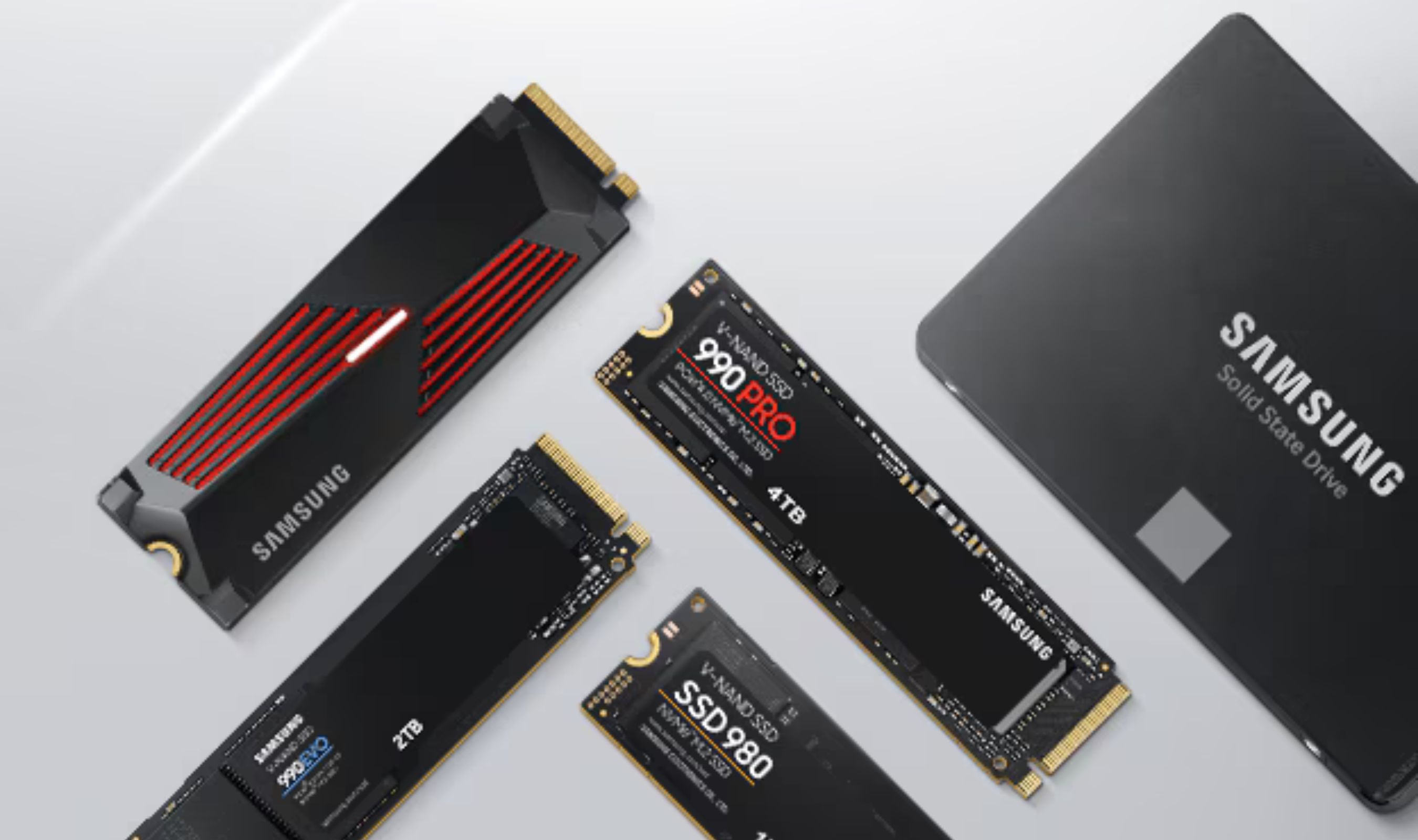
Samsung's AI bonanza is creating a company at war with itself. The world's largest memory chipmaker is expected to report an 18-fold jump in second-quarter operating profit to a record 86 trillion won ($56.35 billion) on Tuesday, driven by an AI-fueled memory shortage that shows no signs of easing. That would mark a third consecutive quarterly record, up from 4.7 trillion won a year earlier.
But the windfall is widening a fracture inside Samsung. Chip workers at the Device Solutions division are looking at bonuses of 600 million won ($393,000) each under a May deal that allocates 10.5% of semiconductor profits to employee payouts.
Their colleagues in the Device Experience division, which builds smartphones, TVs and appliances, are expecting bonuses of just 6 million won, a hundredfold gap. That disparity is boiling over. The DX union plans to hold a rally near Samsung's Suwon plant on July 16, with 2,000 to 3,000 workers expected to attend.
As an early protest, DX employees wore black to work last month. A union representative said the group plans to use this year's wage talks to protest the "unfair sidelining of the DX division."
The record profits stem from a memory shortage driven by AI inference infrastructure demand that is outpacing global supply growth. Samsung supplies memory chips to Nvidia, Google and Apple.
Citi Research said DRAM and NAND average selling prices rose 44% and 53% quarter-over-quarter in the second quarter. Analysts expect the market to remain undersupplied at least through next year.
The rally in memory stocks has been staggering. Samsung, SK Hynix and Micron have surged 158%, 273% and 242% respectively this year, pushing all three companies' market valuations above $1 trillion.
Yet the headline profit figure comes with caveats. Analysts warned that reported earnings could fall short of consensus if Samsung books a larger-than-expected provision for employee bonuses.
Some estimate cumulative bonus provisions could exceed 40 trillion won, making the timing of accounting recognition a key variable. The biggest risk is the sustainability of AI spending.
JPMorgan noted that AI memory's share of cloud service providers' capital expenditure is estimated at 52% this year and expected to exceed 70% next year. A pullback could hit Samsung and SK Hynix hard, the two companies last week pledged a combined 3,200 trillion won ($2.07 trillion) to expand chip capacity in South Korea.
Samsung's mobile business is feeling its own pain from the chip boom. Rising memory costs have squeezed smartphone margins, with higher component costs more than offsetting recent handset price increases.
Analysts expect further price hikes may be needed in the second half of the year.
Nomura forecasts commodity DRAM prices will rise another 24% and NAND prices 25% in the third quarter. Samsung will announce detailed earnings later this month.