
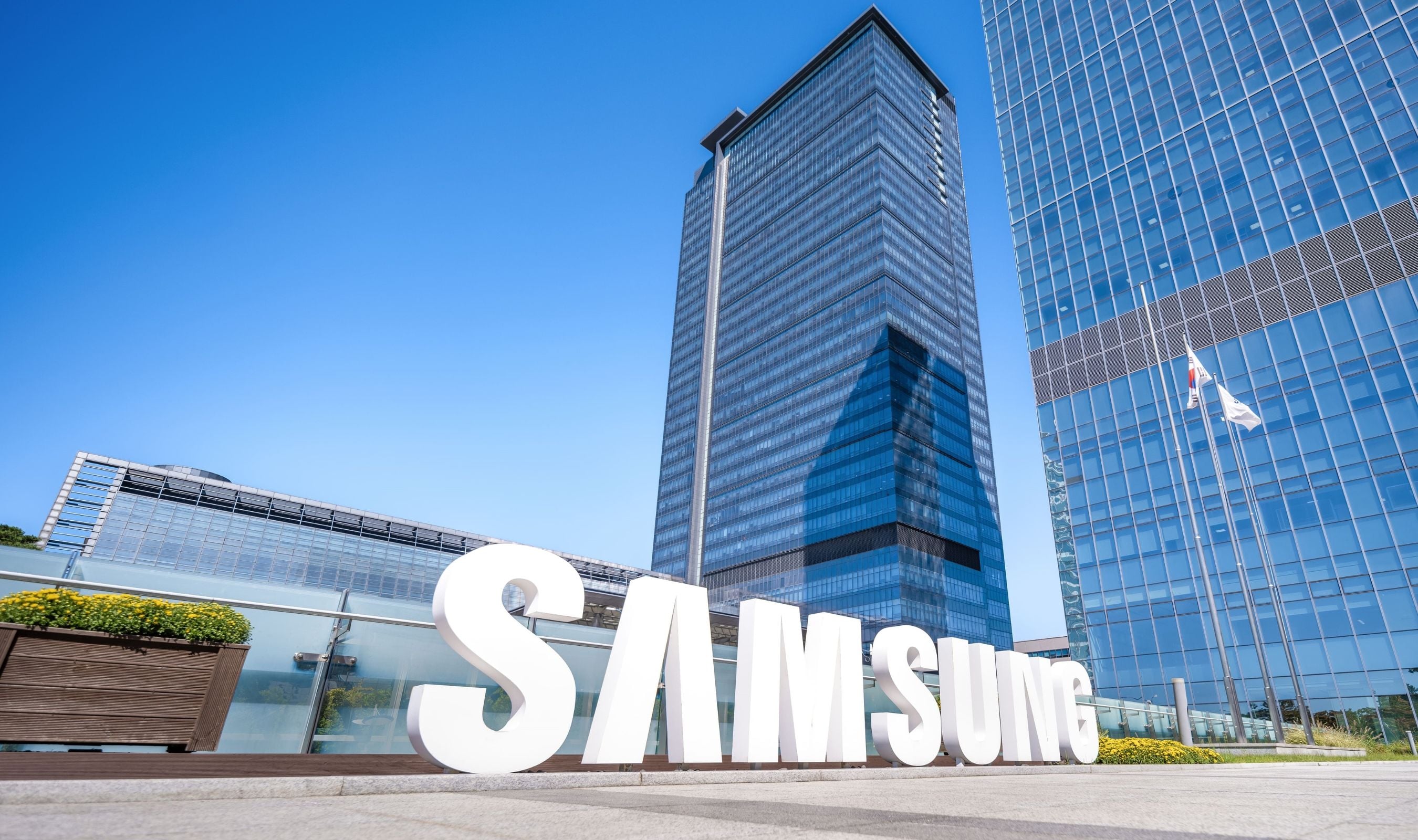
The AI boom has turned a $340,000 bonus into a breaking point at Samsung.
Workers at Samsung's semiconductor division rejected a management offer allocating 13% of the division's operating profit, roughly $340,000 per employee, because the company wants it as a one-time payout. The National Samsung Electronics Union is demanding the bonus be guaranteed annually and written into a binding agreement, according to the Financial Times. The comparison fueling the fight: SK hynix, Samsung's rival in high-bandwidth memory (HBM) chips for AI data centers. SK hynix workers are guaranteed bonuses of $477,000 each this year, with payouts approaching $900,000 next year under their profit-sharing structure.
Samsung workers say their bonuses amount to less than 30% of what SK hynix offers, even though Samsung is the larger company. The union's initial demands included a 15% cut of the semiconductor fab's operating profit, removal of a 50% bonus cap, and a 7% wage hike. Management countered with a 10% allocation, a 6.2% pay increase, and benefits like preferential mortgage rates. The two sides have since settled on the 13% figure, leaving the annual guarantee as the last hurdle.
Samsung has been riding the AI demand wave for memory chips used in data centers, with hyperscalers paying premiums to secure supply. That windfall has made the one-time offer feel inadequate to workers watching rivals cash in. The union has announced plans for a general strike from May 21 to June 7, an 18-day walkout that would cripple Samsung's chip fabrication operations. A single-day action in April already caused a 58% production drop for one shift.
Kwon Seok-joon of Sungkyunkwan University told the Financial Times that an 18-day strike could cost Samsung between $6.9 billion and $11.7 billion in direct losses, with indirect costs potentially much higher. The Korea Herald cites industry estimates of 5-10 trillion won in damages. The timing threatens Samsung's position in the HBM4 market, where it competes with SK hynix and Micron for contracts supplying Nvidia-powered AI infrastructure. A prolonged strike could damage Samsung's reputation as a reliable supplier just as demand for next-generation memory chips peaks.