
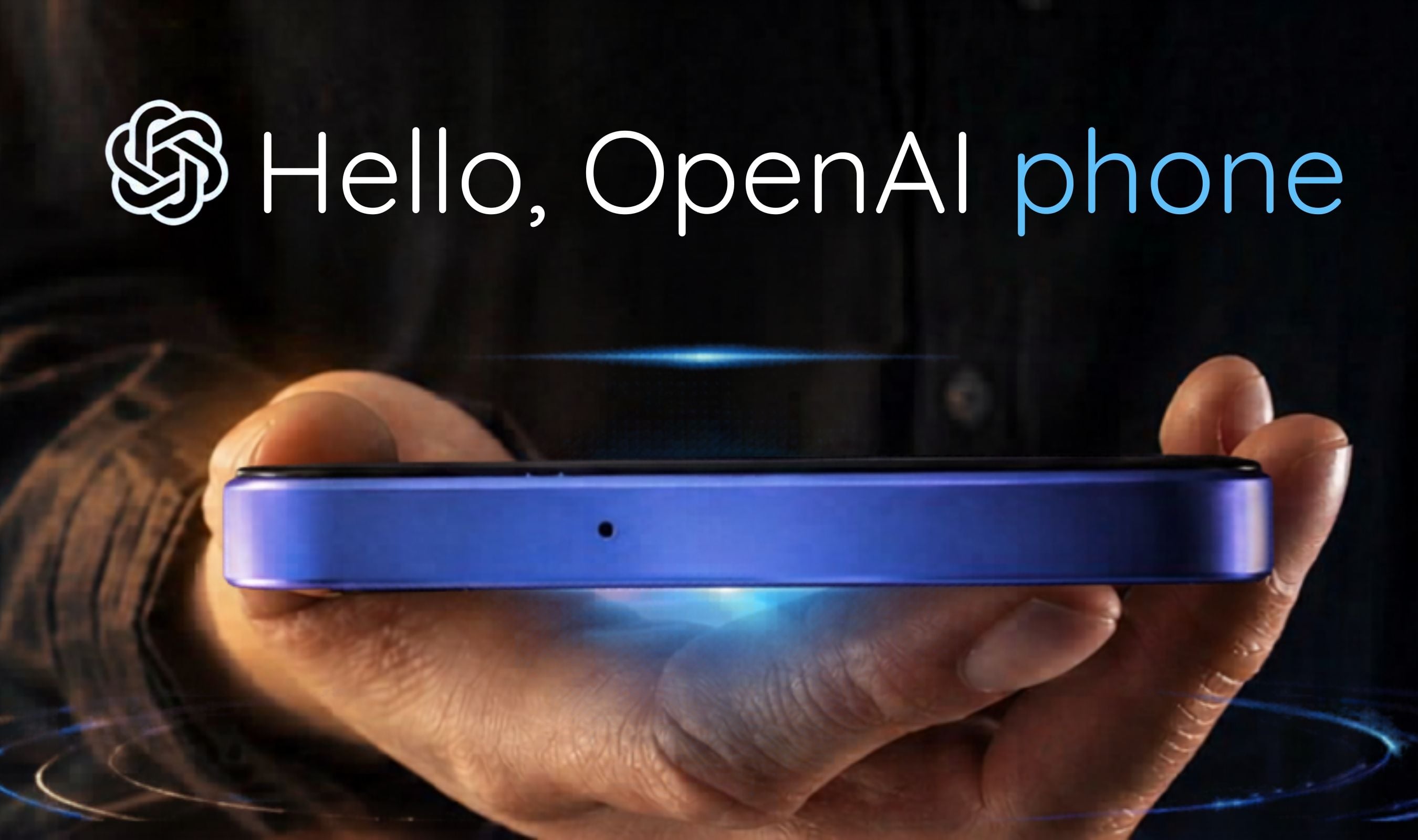
Qualcomm shares surged 7% Monday after supply chain analyst Ming-Chi Kuo revealed the chipmaker is partnering with OpenAI on processors for an AI-first smartphone. The stock jump erased part of Qualcomm's 13% year-to-date decline, marking its best day in months.
Kuo, an analyst at TF International Securities, posted on X that Qualcomm and Taiwanese semiconductor firm MediaTek will co-develop smartphone SoCs for OpenAI. Chinese manufacturer Luxshare Precision Industry is the exclusive system co-design and manufacturing partner.
Mass production is slated for 2028. The move marks a shift for OpenAI, which previously focused on non-phone hardware like smart speakers and glasses developed with former Apple design chief Jony Ive (whose startup io Products was acquired for $6.5 billion in 2025). OpenAI Chief Global Affairs Officer Chris Lehane has said the first hardware announcement is expected in the second half of 2026.
Partnering with Qualcomm and MediaTek lets OpenAI skip the expensive, time-consuming process of designing CPUs and GPUs from scratch. Instead of raw processing power, the custom SoCs will prioritize AI performance, power consumption, memory hierarchy management, and small-model execution, while more complex tasks route to cloud AI.
Kuo argues that only by controlling both hardware and operating system can OpenAI deliver what he calls a " AI agent service." The smartphone is uniquely positioned as "the only device that captures the user's full real-time state," making it "the most important input for real-time AI agent inference," Kuo said.
Chip specifications and additional suppliers are expected to be finalized by late 2026 or Q1 2027. Kuo also suggested OpenAI may bundle subscriptions with hardware and build a developer ecosystem around AI agents, essentially using hardware as a gateway to lock users into its services, similar to Apple's model.
OpenAI CEO Sam Altman posted on X the same day Kuo published his analysis, writing that it "feels like a good time to seriously rethink how operating systems and user interfaces are designed." Altman has previously said the devices OpenAI is designing will differ significantly from current smartphones.